Why Urban Rewilding Works Best When People Stay in the Picture
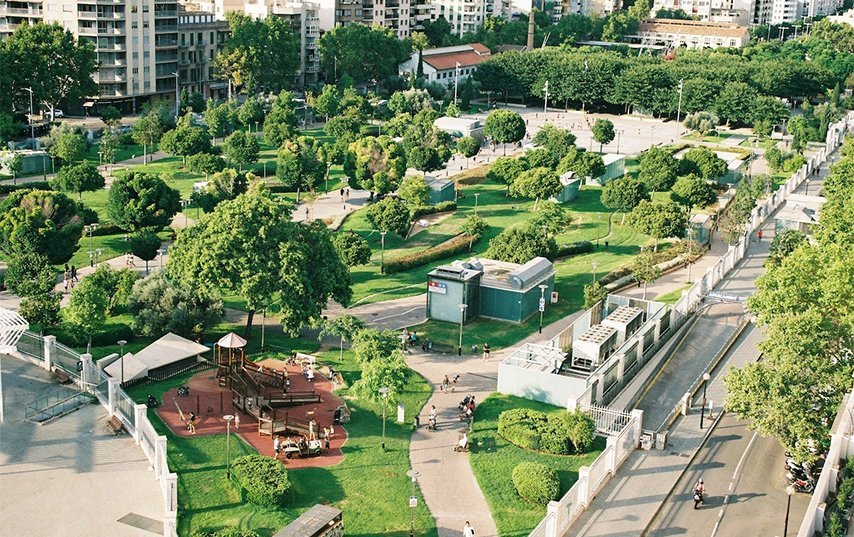
A few months ago, a small patch near my route home changed—nothing dramatic, just a corner that used to be short grass and bare soil turned into taller planting with seed heads, shrubs, and a couple of young trees. The first week, I loved it. It looked alive. It softened the street. It made the …
 Evan
5 min read
Evan
5 min read
A few months ago, a small patch near my route home changed—nothing dramatic, just a corner that used to be short grass and bare soil turned into taller planting with seed heads, shrubs, and a couple of young trees. The first week, I loved it. It looked alive. It softened the street. It made the area feel cooler, calmer, less like everything was built to reflect heat back at your face.
The second week, I overheard someone call it “messy.” Not cruelly—more like genuinely unsure whether it was supposed to look that way. And that’s when I realized the real challenge with rewilding in cities isn’t only plants or budgets. It’s trust. People have to believe the space is cared for, not forgotten. If they don’t, even a good project can get framed as neglect, and once that story takes hold, the whole thing becomes a fight.
Urban rewilding only sticks when people feel included in it—not pushed out of it.
The Tension Nobody Wants to Admit
Rewilding, in its best form, adds habitat and resilience. More shade. Better water absorption. More biodiversity. Less “dead space.” But cities aren’t blank canvases. They’re shared spaces with real human needs: safety, visibility, access, cleanliness, predictable paths, places to sit, places to walk a stroller, places to feel comfortable after dark.
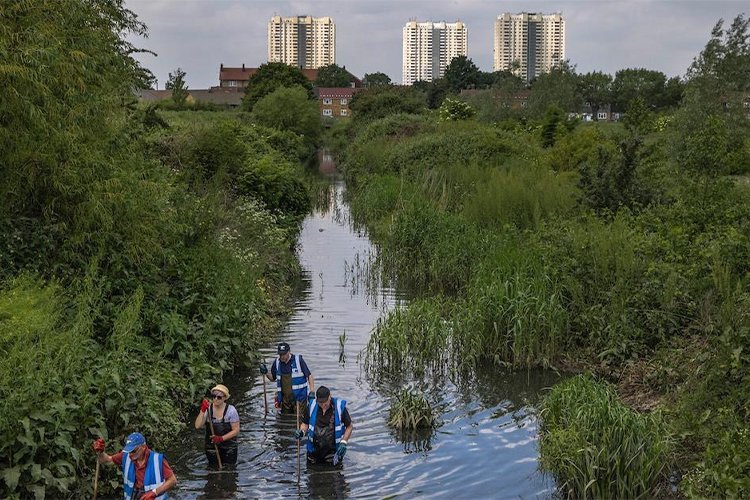
When a rewilding project ignores those needs, it can trigger a very normal reaction: This doesn’t feel like it’s for me.
And when a public space stops feeling like it’s for people, people stop protecting it. They stop respecting it. They stop supporting funding for it. That’s not because people hate nature. It’s because nobody likes feeling excluded from their own neighborhood.
Why “Wild” Needs a Frame in Cities
In the wild, nature doesn’t need to explain itself. In a city, it kind of does.
The projects that work long-term usually have a “frame”—small design cues that quietly tell everyone: this is intentional.
It can be as simple as a clean edge along a planting bed. A defined path. A few maintained sightlines. A bench that signals “you’re welcome to be here.” Even a small sign that says what the space is meant to do (support pollinators, reduce stormwater runoff, cool the area) can change how people interpret what they’re seeing.
Without that frame, tall plants can read as “overgrown.” With a frame, the same plants read as “restored.”
This sounds like aesthetics, but it’s really communication.
The “People Problems” That Are Actually Design Problems
A lot of complaints about rewilding are predictable. That’s good news, because predictable problems can be designed around.
Safety and visibility: People get uneasy if planting blocks sightlines near paths, crossings, or entrances. The fix isn’t removing nature—it’s shaping it. Lower planting near walkways, taller planting set back, clear views where it matters.
Access: If the path is muddy, narrow, or confusing, people blame the greenery. But that’s a path issue. A stable surface and clear route solves it.
Maintenance anxiety: In some neighborhoods, “letting it grow” has historically meant “we stopped caring about your area.” If a project doesn’t include consistent upkeep—litter pickup, seasonal trimming, replacing dead plants—people will assume the worst, even if the intention was good.
Pests and mess: A truly neglected space invites problems. A maintained habitat space doesn’t have to. Again, frame + upkeep matters.
None of these are arguments against rewilding. They’re arguments for doing it like it’s real infrastructure, not a vibe.
What Good “People-Inclusive Rewilding” Looks Like
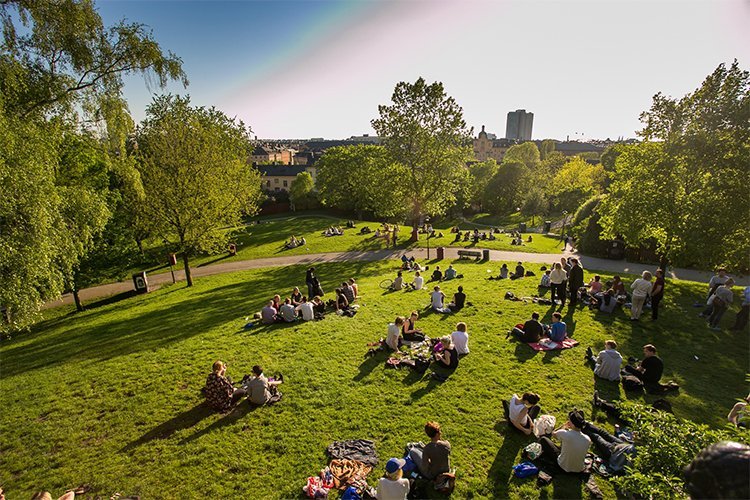
The best urban rewilding feels like it’s doing two jobs at once: supporting wildlife and supporting daily life.
You’ll usually see a few common traits:
- Clear paths that make movement easy, even when planting is dense.
- Seating or small “pause points” so the space isn’t just something you pass through.
- Edges that look cared for (not sterile, just intentional).
- Seasonal maintenance that’s visible—not constant mowing, but enough that people can tell someone is responsible.
- A mix of “wild” and “readable”—open areas where people feel safe, and denser areas where habitat can thrive.
The goal isn’t to tame nature. The goal is to make it livable in shared space.
The Big Thing People Miss: Rewilding Needs Repeat Use
A city space stays safer and healthier when people actually use it. Foot traffic. Dog walkers. Parents. Runners. People eating lunch. People sitting for five minutes.
When rewilding projects feel welcoming, they get repeat use, and repeat use creates informal care: people notice damage, report problems, discourage dumping, and generally treat the space like it belongs to the neighborhood.
When rewilding projects feel unwelcoming, they get avoided, and avoided spaces are easier to neglect and easier to turn into a debate.
This is why “people in the picture” isn’t a compromise—it’s the strategy.
My Grounded Take
I want more wildness in cities. More trees, more shade, more layered planting, more habitat corridors, more places where birds and insects aren’t just surviving but actually living.
But I don’t want it done in a way that treats humans like an inconvenience.
The winning version of urban rewilding is the one that respects both realities: cities need ecological function and they need spaces that feel safe, usable, and cared for. When those things align, rewilding stops being controversial and starts being normal—like streetlights or sidewalks, just part of a city doing its job.
Final Verdict
Urban rewilding works best when it doesn’t feel like nature replacing people, but nature returning alongside people. Give wildness a frame. Maintain it like it matters. Keep paths clear. Keep sightlines thoughtful. Make it obvious the space is loved, not abandoned.
When people feel included, they support it. When they support it, it survives. And when it survives, the city gets cooler, calmer, and more resilient—without losing the parts that make a neighborhood feel like home.
Keep reading
 Nature
The Winter Walk That Made My Street Feel Alive Again
Evan · · 6 min
 Nature
The Puddle I Would’ve Normally Ignored
Evan · · 5 min
 Nature
 Nature
0 comments
Be the first to comment.