What My Cat’s Daily Play Ritual Taught Me About Patience
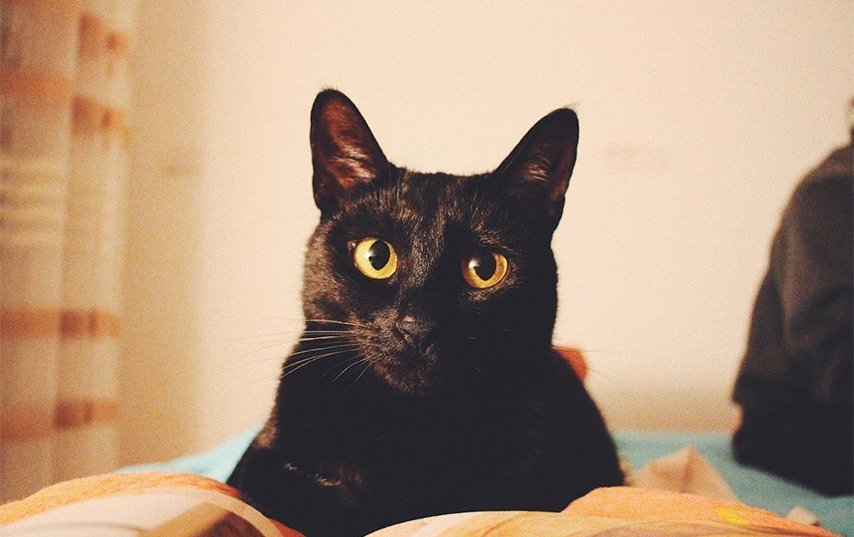
I used to think my cat “didn’t like toys.” I’d buy something that looked fun—little mouse, feather wand, crinkly ball—and he’d do that classic cat thing: glance at it like it’s beneath him, then walk away like I just embarrassed myself. So I stopped trying. I assumed he was one of those cats who only …
 Evan
6 min read
Evan
6 min read
I used to think my cat “didn’t like toys.”
I’d buy something that looked fun—little mouse, feather wand, crinkly ball—and he’d do that classic cat thing: glance at it like it’s beneath him, then walk away like I just embarrassed myself.
So I stopped trying. I assumed he was one of those cats who only plays when they feel like it, and if I wanted him to be active, I’d just… accept that I live with a tiny, sleepy roommate.
But then I noticed something small and annoying: he did want to play.
He just didn’t want to play when I wanted him to.
And once I realized that, it turned into a daily ritual—one that was surprisingly good for him… and honestly, kind of good for me too.
The Pattern I Didn’t See Until It Became Obvious
My cat has a schedule. Not a written one, obviously. But a real one.
He has a certain window in the day where he becomes a different creature. His eyes get sharper. His body gets lighter. He starts doing that quiet stalking walk around the living room like he’s preparing for something.
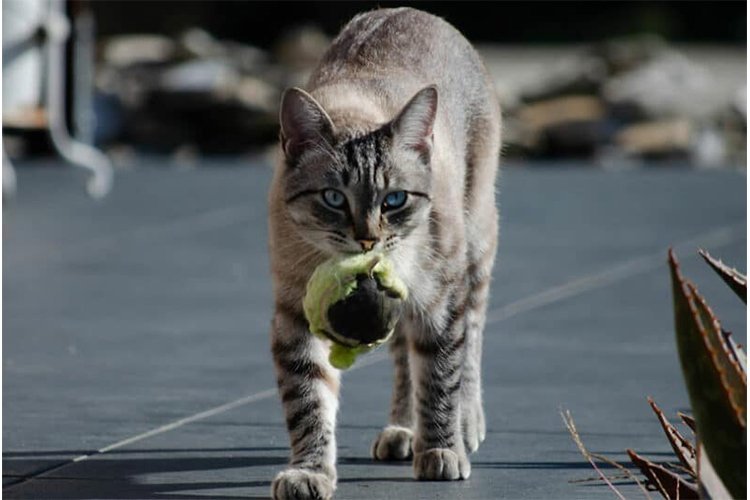
For a while, I misunderstood it. I thought he was bored. Or hungry. Or about to knock something off a shelf because he felt ignored.
But after watching him for a couple weeks, I realized it was consistent:
Every day, around the same time, he wanted a hunt.
Not a cuddle. Not a snack. A hunt.
And because I hadn’t been giving him that, he was creating his own version of stimulation—usually by sprinting through the hallway, meowing at nothing, or doing a dramatic jump onto furniture like he needed an audience.
So I tried something simple: I leaned into the ritual instead of fighting it.
What I Changed (Without Becoming a “Cat Enrichment” Person Overnight)
I didn’t build a complicated setup. I didn’t turn my living room into a jungle gym.
I did one thing: I picked one toy he reacted to even slightly… and I used it at the same time every day.
For us, it was a wand toy. Not because it’s magical, but because it’s the easiest way to mimic prey movement.
And then I learned the real lesson: cats don’t want constant motion. They want believable motion.
That’s where patience came in.
1) I stopped waving the toy like a maniac
My first instinct was to “entertain him.” Fast movement, big swings, lots of drama.
He hated it.
He would watch for three seconds, then walk away like, “This prey is unrealistic and frankly embarrassing.”
So I slowed down. I made it smaller. I let the toy hide behind the couch leg. I let it peek out. I let it pause.
The more realistic it felt, the more interested he became.
2) I learned the power of the pause
This was the big thing.
If you move the toy constantly, the cat gets overstimulated or bored. But if you pause it—just for a second—your cat’s brain locks in.
The pause is what triggers the stalk.
And the stalk is what makes the play feel satisfying.
So I started building the play session around pauses. Small movement. Pause. Tiny twitch. Pause. Then a quick burst.
It took patience because it felt slow from a human perspective.
But for him, it was perfect.
3) I kept it short on purpose
This is where I used to mess up.
If I finally got him engaged, I’d try to stretch it out, like, “YES, we are playing! Let’s keep going!”
Then he’d get annoyed and stop.
So now I keep it short: 5 to 10 minutes.
That’s enough to satisfy the ritual without turning it into a long thing we both resent.
What Changed Over Time (The Small Wins That Actually Matter)
This didn’t turn my cat into a nonstop playful kitten. He’s still a cat. He still loves sleeping like it’s his full-time job.
But the ritual changed a few things in a way I didn’t expect.
1) He stopped doing chaotic “attention” behavior
Those random sprints and dramatic meows? They reduced.
Not because he became calmer by personality—but because his brain got what it needed at a predictable time.
Cats act out less when their needs are met before they have to invent chaos.
2) He became more social after play
This part surprised me.
After the play session, he’d come sit nearby. Sometimes he’d groom calmly. Sometimes he’d just loaf in the same room like he was part of the household again.
It was like play helped him regulate his mood.
3) His appetite and sleep felt steadier
Nothing extreme. Just less weirdness.
He ate more consistently. He slept more deeply. He didn’t look restless in that “I want something but I don’t know what” way.
4) I got better at reading him
This might be the biggest change.
I started noticing what kind of movement he liked, what pace engaged him, when he wanted to stop, and how he signaled “done.”
Cats communicate. They just don’t do it in an obvious way.
The Patience Lesson (And Why It’s Not Only About the Cat)
The main thing my cat taught me is this:
You can’t rush a creature into calm.
You can’t force engagement with more energy.
Sometimes the answer is less.
Less movement. More pause. Less pressure. More consistency.
The ritual taught me to stop trying to control the outcome and start paying attention to what actually works.
And weirdly, that carried over into real life too—because patience is basically a muscle you build through repetition.
The Part That Almost Ruined It
I almost ruined it by trying to “upgrade” the ritual.
I started looking at other toys. Other routines. Other tricks. I had the temptation to create a full enrichment plan.
Then I realized: my cat doesn’t need novelty for my entertainment.
He needs one predictable ritual that feels satisfying.
So I kept the same toy. Same time window. Same style.
When something is working, don’t mess with it just because your brain is bored.
If You Want to Try This, Here’s the Easy Version
- Watch your cat for a few days and notice their “active window”
- Pick one toy they respond to even a little
- Play at the same time daily for 5–10 minutes
- Use small movements and pauses (don’t overperform)
- End the play session after a good pounce, not after they get annoyed
That last part matters: stop while it’s still fun.
Final Verdict
My cat didn’t become a toy-loving extrovert.
But he became more settled.
And I became better at slowing down.
This daily play ritual taught me that patience isn’t about waiting forever. It’s about learning the pace that actually works—especially with animals who don’t care about your schedule, your mood, or your need for immediate results.
Once I stopped rushing play, the ritual started working.
And now it’s one of the simplest, calmest parts of our day.
Keep reading
 Pet Life
The Gut-Health Shift I Didn’t Expect to Matter This Much
Evan · · 6 min
 Pet Life
My Dog’s Morning Routine That Made His Joints Feel Better
Evan · · 8 min
 Pet Life
The Food-Bowl Pause That Helped My Dog Stop Inhaling Meals
Evan · · 8 min
 Pet Life
0 comments
Be the first to comment.