Wearables in 2026: The Ones That Feel Like Tools, Not Toys

There was a time when wearables felt like “extra tech”—something you bought because it looked cool, then quietly stopped wearing once the novelty wore off. You’d charge it, tap through features, stare at graphs, and eventually realize you were basically maintaining a tiny device that was mostly reminding you to stand up like it was …
 Evan
6 min read
Evan
6 min read
There was a time when wearables felt like “extra tech”—something you bought because it looked cool, then quietly stopped wearing once the novelty wore off. You’d charge it, tap through features, stare at graphs, and eventually realize you were basically maintaining a tiny device that was mostly reminding you to stand up like it was your boss. But lately, the wearable conversation has shifted in a way I actually understand. People aren’t asking, “What can it do?” anymore. They’re asking, “Does it make my day easier without asking me to babysit it?” And that’s the difference between a gadget and a tool.
The Trend Snapshot: What’s Hot Right Now
1) People want fewer dashboards and more “quiet usefulness”
The wearable wins in 2026 are the ones that don’t demand constant attention. Instead of throwing a dozen metrics at you, the better devices surface one or two things that matter in the moment: sleep quality in plain language, a simple recovery signal, a gentle reminder when your stress is trending upward, or a quick nudge to move when you’ve been locked to your desk for too long. The vibe is less “optimize yourself” and more “help me stay steady,” which feels a lot more realistic for normal life.
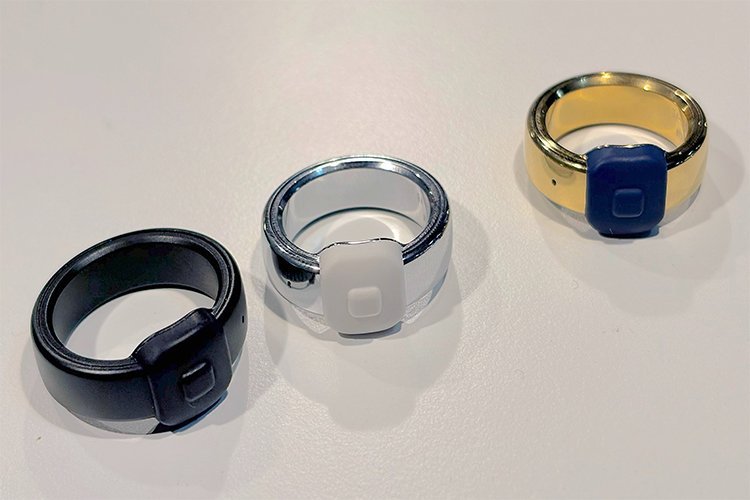
2) Sleep tracking is still the biggest hook — but the expectation is different now
Sleep has become the wearables category’s most consistent “reason to wear it,” mostly because sleep affects everything and people can actually feel the difference when their nights improve. But the trend isn’t “perfect sleep scores.” It’s more like: can the wearable spot patterns you’re missing—late caffeine, late screens, inconsistent bedtime, stress spikes—and help you connect the dots without turning your nights into a test? The wearables that stick are the ones that make sleep feel easier to understand, not harder to manage.
3) Health features are moving from “scary” to “supportive”
A few years ago, health features often felt intense—like your device was constantly monitoring you and waiting to report something alarming. Now, the better framing is supportive and calm: heart rate trends, irregular rhythm notifications (where available), simple cardio fitness trends, and reminders that feel more like “heads up” than “panic.” People want confidence, not fear. The wearable that lasts is the one that gives you useful signals without turning you into someone who checks their pulse every ten minutes.
4) Battery life and comfort are winning over fancy features
This trend is underrated but extremely real: people keep the wearables that are comfortable and easy to live with. If a device is bulky, irritating, or needs constant charging, it doesn’t matter how smart it is—it becomes annoying. So the most successful wearables right now are leaning into practical design: lighter builds, better straps, better skin comfort, and batteries that don’t force you into a constant charging routine. If you have to take it off all the time, you stop forming the habit.
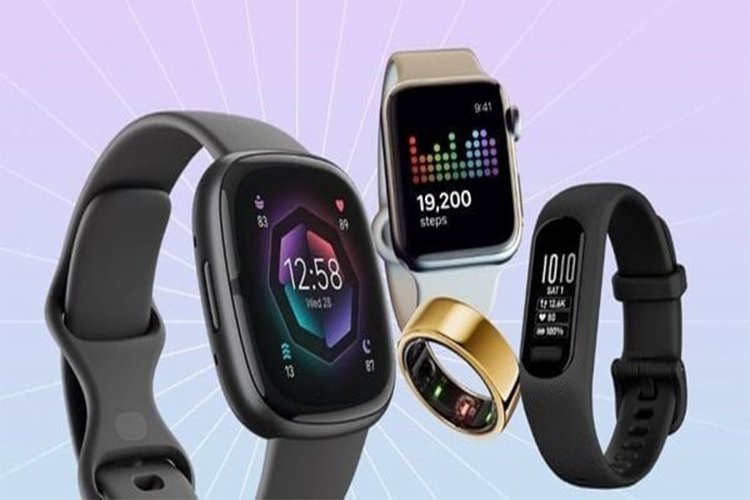
5) Notifications are becoming “filtered,” not endless
Wearables used to brag about how many notifications they can show you. Now the trend is the opposite: people want fewer interruptions, not more. The most wearable-friendly setups are using smart filtering—only showing what’s truly useful (calls, navigation, time-sensitive alerts) and keeping everything else quiet. Because a wearable that buzzes all day doesn’t feel like productivity. It feels like being interrupted by your own wrist.
What’s Quietly Fading (Or Becoming More Niche)
1) “Fitness influencer mode” wearables as the default
There will always be hardcore training devices and detailed performance tracking, but it’s becoming more niche. The broader market is shifting toward “health and consistency” rather than “training and intensity.” People still want activity tracking, but they don’t necessarily want to live in a world of zones, splits, and constant optimization unless they’re genuinely training for something.
2) Overly complex health dashboards that create anxiety
More metrics doesn’t equal more clarity. A lot of people learned the hard way that too much data can make you feel worse, not better—especially if the device throws numbers at you without context. Wearables that overwhelm you tend to get abandoned. The trend is toward simplified insights and gentle guidance instead of constant measuring.
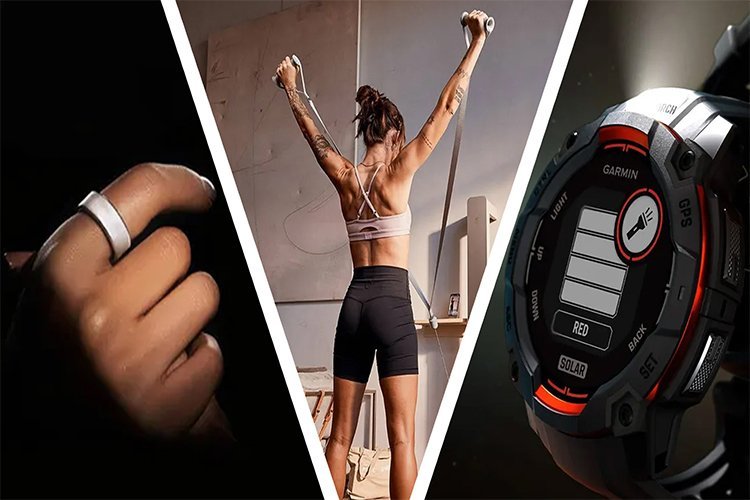
3) Features that feel like demos
Anything that sounds cool in a product announcement but doesn’t help daily life tends to fade fast. If a feature requires perfect conditions, takes too long to use, or only feels useful once in a while, it becomes a checkbox—not a reason to keep wearing the device.
The One Surprise Trend: Wearables Are Becoming “Nervous System” Devices
One of the biggest shifts is that wearables are increasingly being used to manage stress and energy, not just steps and workouts. People are paying attention to recovery, sleep consistency, daily strain, and the subtle signs of burnout. Not in a dramatic wellness way—more in a “I want to feel less fried by 4 PM” way. This is why features like breathing prompts, stress trends, gentle movement reminders, and calmer notification strategies are landing so well. It’s not about being perfect. It’s about staying functional.
If You’re Buying a Wearable in 2026, Here’s the Low-Drama Checklist
Before you pick one, ask yourself what you actually want it to do in real life:
- If you want better sleep + steady habits, prioritize comfort and battery life first, then sleep insights second.
- If you want health awareness, look for calm, supportive insights (trends and signals), not a device that turns you into a full-time patient.
- If you want training, choose a device that matches your sport and won’t overwhelm you with stuff you’ll ignore.
- If you want daily convenience, focus on notifications you’ll actually use and features that reduce friction (calls, navigation, quick replies if you need them).
And honestly: if it’s uncomfortable, or you’ll hate charging it, it’s not the right one—no matter how good the feature list looks.
Final Take
Wearables in 2026 are growing up. The trend isn’t “more features.” It’s more usefulness with less effort. The devices people keep wearing are the ones that feel like quiet tools: they help you sleep a little better, move a little more, manage stress a little smarter, and stay connected without dragging your attention all day. If a wearable makes your life feel simpler, you’ll wear it. If it makes your life feel monitored, complicated, or noisy, it ends up in a drawer—right next to all the other “cool tech” we thought we’d use every day.


0 comments
Be the first to comment.