Urban Rewilding Isn’t a Trend — It’s a “How Do We Keep Cities Livable?” Tool
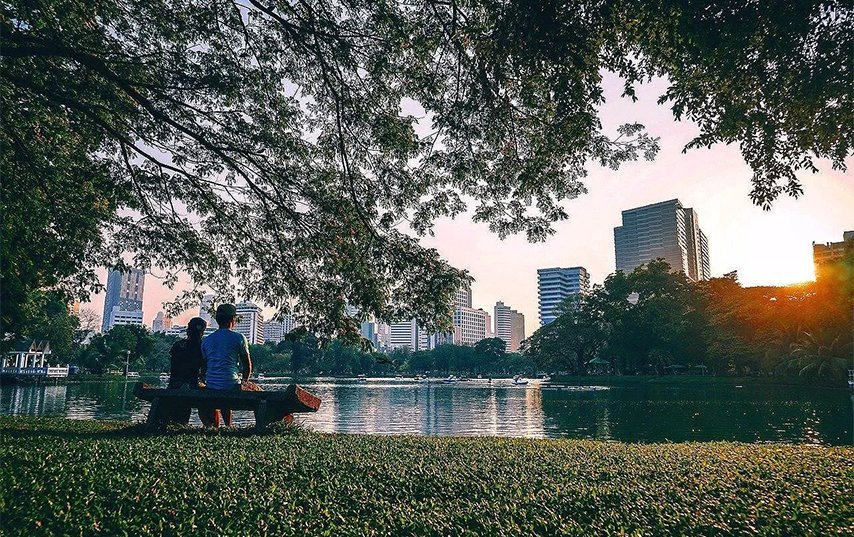
The first time I noticed it, I didn’t think “rewilding.” I thought, Oh… this street feels cooler. It was the same route I’d walked a hundred times, but something had changed: a strip of native-looking plants along a fence line, a few young trees that weren’t there last year, and a patch of tall grasses …
 Evan
7 min read
Evan
7 min read
The first time I noticed it, I didn’t think “rewilding.” I thought, Oh… this street feels cooler. It was the same route I’d walked a hundred times, but something had changed: a strip of native-looking plants along a fence line, a few young trees that weren’t there last year, and a patch of tall grasses that looked “messy” in a way that felt intentional. It wasn’t a dramatic transformation. It was small. But the vibe of the place was different—less harsh, less reflective, less like everything was made of heat and hurry.
I kept walking and realized I was breathing differently. That sounds dramatic, but it wasn’t. It was the simple relief of walking past living things instead of only concrete and car exhaust and sun-baked pavement. And that’s when it clicked: people talk about urban nature like it’s decoration, but it’s starting to feel more like infrastructure. Not “nice to have.” More like, we need this if we want cities to be comfortable places to live.
What “Rewilding” Really Means in a City
When people hear “rewilding,” they imagine wolves and wide open land and huge nature reserves. In a city, rewilding is way less cinematic. It’s more like: letting certain spaces function as habitat again. Turning “dead” corners into living corners. Creating corridors where birds and insects can move safely between patches of green. Using plants that can handle local weather without constant babysitting. And building places where water can soak into the ground instead of racing into drains like it’s escaping.
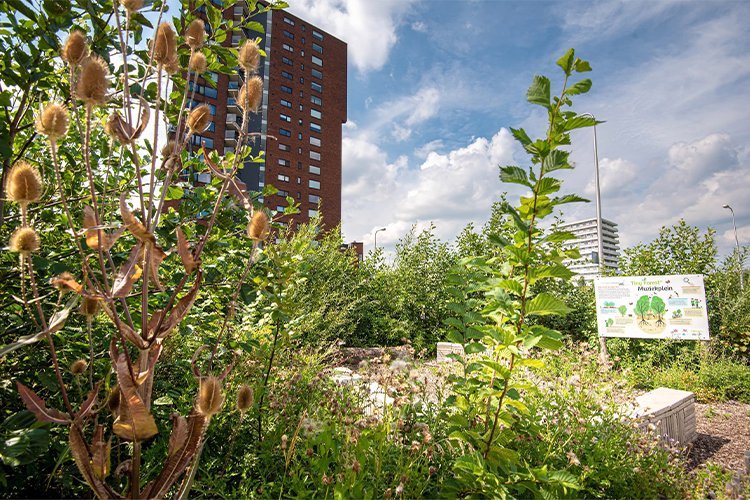
It’s not about abandoning parks or letting everything grow into chaos. It’s about designing with life in mind, not just humans and cars. It’s about a city that works with nature instead of constantly fighting it.
And honestly, that’s why it’s showing up more. Because cities are dealing with heat, flooding, stress, and the weird “everything feels too hard” vibe that comes from living in places built to move fast, not to feel good.
Why It Matters More Than Aesthetics
A lot of city green spaces are designed to look neat from far away: short grass, clipped shrubs, minimal texture. It photographs cleanly, but it doesn’t always do much. It can feel like a green rug laid over a hard environment.
Rewilding—done well—adds function. It cools areas down with shade and evapotranspiration (basically, plants releasing moisture that changes how heat feels). It helps manage stormwater because soil and roots hold water better than concrete ever will. It can reduce erosion in certain spots. It creates habitat for pollinators, which isn’t just “cute butterflies”—it’s part of how urban ecosystems stay stable.
And on a human level, it changes how a place feels. A street with trees and layered greenery doesn’t just look nicer—it can feel calmer. You walk slower without trying. You notice birds. You stop doom-scrolling for ten minutes because your attention gets caught on something that isn’t a screen.
That sounds small, but in a world where people feel constantly overstimulated, small things add up.
The Two Sides of the Debate (Because It’s Not Perfect)
Here’s the honest part: urban rewilding isn’t automatically good just because it’s green.
Side A: The “Yes, Please” Argument
People want shade. They want less heat. They want streets that don’t feel like ovens in summer. They want parks that feel alive, not sterile. They want biodiversity back in places where everything has been paved and trimmed into silence. Rewilding also tends to be cheaper long-term than constantly maintaining thirsty lawns and delicate landscaping that needs endless care.
Side B: The “Hold On” Argument
People worry about safety and visibility—tall plantings can make some spaces feel less open. Others worry about pests. Some worry about allergies. Some worry about “mess” and litter and maintenance. And in some neighborhoods, there’s also a trust issue: when cities say “we’re letting it grow for nature,” residents sometimes hear “we’re not maintaining your area the way we maintain wealthier areas.” That’s a real concern, and it’s part of why rewilding has to be done with care and communication, not just good intentions.
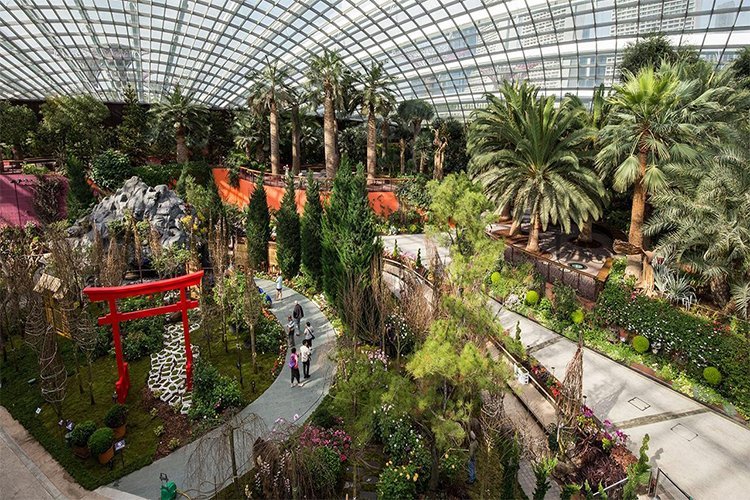
There’s also the simple fact that not every species “belongs” everywhere. Plant choices matter. Invasive plants can spread fast and cause problems. “Letting everything grow” isn’t the same as restoring habitat.
So the best version of urban rewilding isn’t neglect. It’s thoughtful. It’s planned. It’s maintained—just maintained differently than a lawn.
What Good Urban Rewilding Actually Looks Like
The best projects tend to share a few qualities:
It’s designed to look intentional, not abandoned.
This sounds superficial, but it matters. A clean border, clear paths, a few signs, a visible structure—these little cues tell people, “This is on purpose.” Humans are more comfortable with wildness when it has a frame.
It uses layered planting instead of one flat surface.
Grass alone doesn’t do much. Layering—ground cover, shrubs, trees—creates more habitat, holds water better, and feels more like a real ecosystem.
It includes water thinking.
Not necessarily ponds everywhere, but features that let rain soak in: rain gardens, swales, permeable surfaces, planted medians. A city that manages water better is a city that handles storms better.
It connects patches instead of creating isolated green islands.
One nice park is great, but it’s even better when birds and pollinators can move through a network of green spaces. Tiny corridors matter more than people think: a hedgerow here, a tree line there, a strip of planting along a fence.
It’s equitable.
This part is the real test: are green upgrades happening everywhere, or only in the places that already look nice? Rewilding shouldn’t become another way to widen comfort gaps between neighborhoods.
The Small “You Can Feel It” Benefits Nobody Talks About Enough
There’s a practical side and then there’s the lived side.
The lived side is this: rewilded spaces feel more human. They create little moments of relief. You walk past a patch of tall grasses and seed heads and suddenly you’re not just in “city mode.” You hear birds. You notice movement. The place feels less like a machine and more like a home for living things—humans included.
It also changes how kids grow up around nature. If the only “nature” a child sees is a mowed lawn and a plastic playground, that shapes what they think the world is. When cities have real habitat—trees, messy edges, insects, birds, seasonal change—kids grow up with a baseline connection to the living world. That matters long-term. It changes what people protect later, because people protect what they recognize.
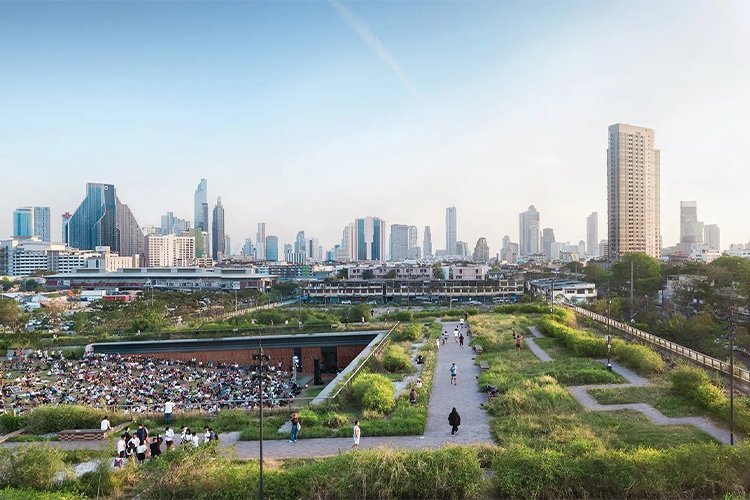
And yes, it’s good for adults too. Not as a cure for everything, but as a consistent background support. You don’t have to go hiking to feel nature. You can feel it walking to a bus stop if your street has living layers.
My Grounded Take
I don’t think every park should be left to grow wild. I don’t think “messy” automatically means “better.” I also don’t think rewilding should be done in a way that makes public spaces feel less safe or less accessible.
But I do think cities need more living infrastructure—more trees, more soil that can absorb water, more habitat corridors, more layered green spaces that aren’t just decorative.
Urban rewilding is basically a way of admitting a simple truth: we can’t keep building cities like humans are the only species that needs space. When we make room for other life, cities often become better for us too—cooler, calmer, more resilient, more mentally breathable.
The goal isn’t to turn a city into wilderness. The goal is to stop turning everything into a heat-reflecting, water-repelling surface that stresses everyone out.
Final Verdict
Urban rewilding isn’t a trend because it looks nice in photos. It’s sticking around because it solves real problems: heat, stormwater, biodiversity loss, and the very real emotional strain of living in environments that feel overly hard-edged.
The best version of it is thoughtful and maintained, with clear design and community input. Done well, it doesn’t make a city feel neglected. It makes a city feel alive—and more comfortable to live in.
Keep reading
 Nature
The Winter Walk That Made My Street Feel Alive Again
Evan · · 6 min
 Nature
The Puddle I Would’ve Normally Ignored
Evan · · 5 min
 Nature
 Nature
0 comments
Be the first to comment.