The Winter Walk That Made My Street Feel Alive Again
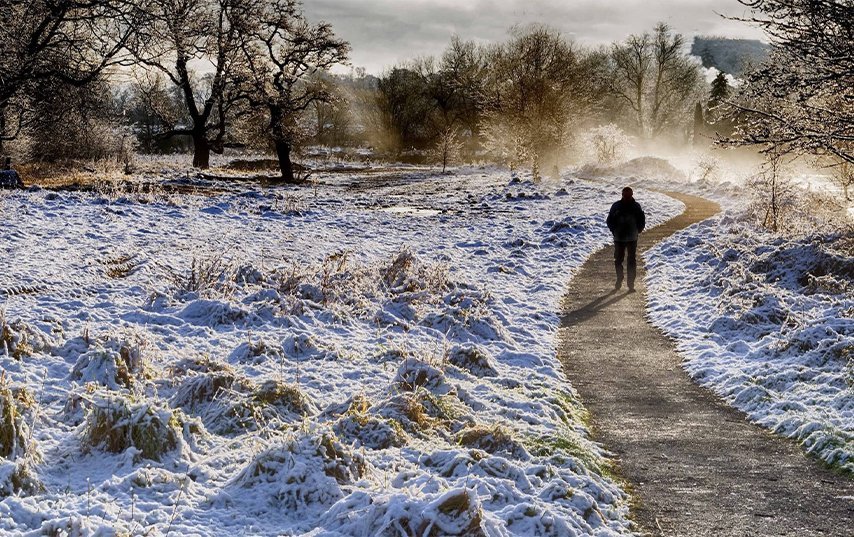
I didn’t go outside to “connect with nature.” I went outside because my brain was doing that thing where it keeps opening the same three apps like something new is going to happen if I refresh hard enough. It was cold in the plain, quiet winter way — not dramatic snow-globe weather, just gray sky …
 Evan
6 min read
Evan
6 min read
I didn’t go outside to “connect with nature.” I went outside because my brain was doing that thing where it keeps opening the same three apps like something new is going to happen if I refresh hard enough. It was cold in the plain, quiet winter way — not dramatic snow-globe weather, just gray sky and sharp air and that little sting when you inhale too fast. I told myself I’d do a short loop. Ten minutes. In-and-out. Back home with my dignity.
And then I stopped on my own street… because of a tree.
Not a beautiful, postcard tree. Just one of those street trees planted between parked cars, living in a sad little square of dirt that looks like it gets stepped on and forgotten all year. I only noticed it because there was this pale green patch on the bark that caught the light in a weird way. For a second I thought it was paint or gum or something gross.
It wasn’t.
It was living. Tiny, textured, stubborn little life clinging to the bark like it had a right to be there.
And that was the moment my walk stopped being a “quick loop” and turned into a whole different thing.
What I Noticed When I Finally Slowed Down
Once you notice one small detail, the rest of the block starts showing you things you’ve been ignoring. I leaned in closer and saw more than that one pale patch — there were little specks and streaks across the bark, like someone had sprinkled the tree with quiet color and then told it to keep secrets. At the base, a thin strip of moss was hugging the edge where the dirt met the curb. It wasn’t lush. It wasn’t “Instagram green.” But it was there, and it looked like it had figured out exactly where the moisture sticks around.
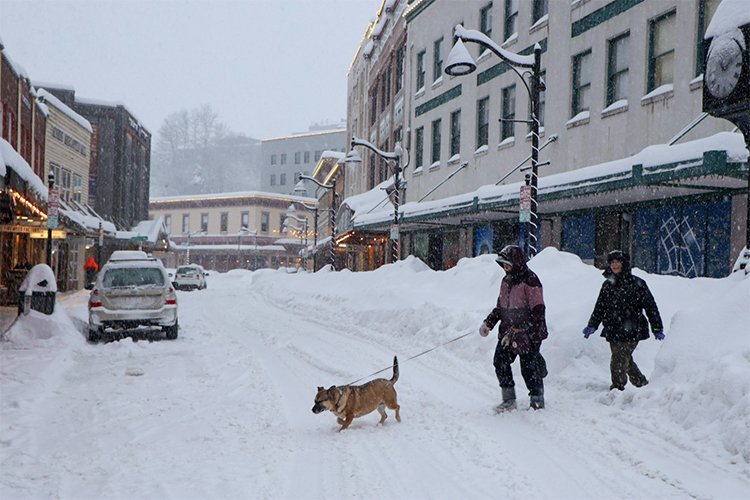
I stood there longer than I meant to, kind of squinting, like the tree was going to explain itself.
That’s when I heard this faint tapping sound. Not loud. Not cartoon woodpecker. Just a quick, soft tap tap that I would’ve missed if I was still in my usual walking mode (head down, brain loud). I looked up and saw a small bird hopping along a branch, pecking at something I couldn’t even see. It didn’t look poetic. It looked busy. Like it was clocking in for work.
And it hit me how much city wildlife isn’t “rare.” It’s just quiet. It lives in the gaps — hedges, street trees, the awkward strip of green beside a fence — and it’s doing its thing while the rest of us hurry past like we own the place.
By the time I got to the park, my pace had changed. Not slow like I was trying to be peaceful. More like… less rushed. Less “I need to get this walk over with.” The park was winter-bare — dull grass, leafless branches, everything looking muted — but it still wasn’t empty. You could tell life was there if you looked for it. Little footprints pressed into damp ground near a bench. Seed heads left standing in a garden bed like the plants weren’t done being useful yet. A dog tearing around like winter didn’t apply to it, while its human laughed in that tired, real way.
I realized I was looking down a lot. Winter nature, especially in a city, hides low. It’s in textures. Bark. Moss. The edge of a puddle. The way a leaf gets pinned into a crack in the pavement and just stays there like it belongs.
The Small Rabbit Hole (That Didn’t Turn Into Homework)
I didn’t go home and research it for two hours or anything. I just kept thinking, while I walked, how is any of this alive right now? Winter makes everything look paused. Like the world put itself on mute.
But the moss wasn’t paused. The pale-green patch on the bark wasn’t paused. The bird wasn’t paused. Nothing looked like it was waiting for “better conditions.”
It was all just… adapting.
And that was the part that got me in a way I didn’t expect. Because I’m the kind of person who sometimes acts like I need perfect conditions to do anything — the right mood, the right time, the perfect plan — and meanwhile the moss is out here thriving in a curb crack because it found a slightly damp spot and said, “Good enough.”
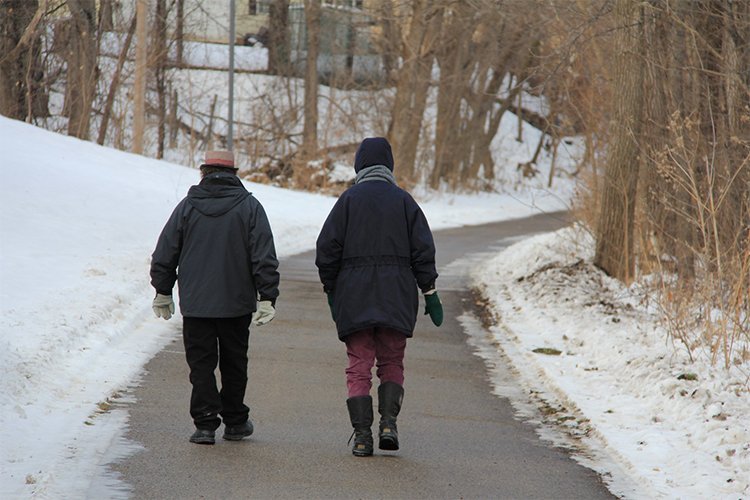
Also, it made me rethink the way I label nature. I treat “nature” like it’s somewhere else — a trail, a forest, a weekend trip, a place you drive to and then take photos to prove you went. But what I was looking at wasn’t “somewhere else.” It was my street. My block. The same place I walk when I’m buying groceries or heading home with a coffee. It wasn’t wilderness. It was coexistence. Less cinematic, more real.
What It Changed on the Walk Back
On the way home, the neighborhood looked slightly different, which sounds dramatic, but it wasn’t. Nothing changed except my attention. I noticed ivy climbing a brick wall behind someone’s bins like it had decided it lived there now. I noticed a few weeds pushing through a crack in the pavement and instead of thinking “mess,” I thought “effort.” I noticed birds sitting on the power lines like they were having a meeting.
And I felt this weird, almost embarrassing appreciation for it all. Like — oh. This place isn’t just a route. It’s an actual living space. I live here. Things live here too.
It also made winter feel less empty. Winter can be depressing because it looks like everything is gone. But it’s not gone. It’s just quieter, smaller, lower to the ground, harder to see if you’re rushing.
Final Verdict
That walk didn’t make my city a forest. It didn’t make winter “cute.” It didn’t fix my life. But it did something useful: it made my street feel alive again, in a way I’d been missing without realizing it.
If you want a simple nature moment that doesn’t require planning, try this: take a short walk and pick one living thing you usually ignore — moss on a curb, a bird in a street tree, even a weird little plant growing where it shouldn’t. Let your attention stay with it for a minute. You’ll be surprised how quickly the rest of the block starts showing you more.
Keep reading
 Nature
The Puddle I Would’ve Normally Ignored
Evan · · 5 min
 Nature
 Nature
 Nature
The After-Work Loop That Makes My Brain Shut Up
Evan · · 5 min
0 comments
Be the first to comment.