The Wearable Habit That Made Me Train Smarter Without Overthinking It

I didn’t buy a fitness wearable because I wanted to be “that person” who tracks everything. I bought it because my energy kept doing that annoying thing: I’d feel motivated, go too hard, feel wrecked, then disappear for days. The cycle wasn’t dramatic, but it was consistent. And the weird part was I couldn’t tell …
 Evan
5 min read
Evan
5 min read
I didn’t buy a fitness wearable because I wanted to be “that person” who tracks everything. I bought it because my energy kept doing that annoying thing: I’d feel motivated, go too hard, feel wrecked, then disappear for days. The cycle wasn’t dramatic, but it was consistent. And the weird part was I couldn’t tell what “too hard” even was until it was too late.
What helped wasn’t a perfect plan. It was a tiny habit: letting one simple metric keep me honest so I stopped turning every workout into a test. Not intense. Not complicated. Just enough feedback to keep my effort realistic.
What to Buy (5 Products That Are Actually Worth It for Wearable-Based Training)
A basic fitness watch (heart-rate + activity tracking)
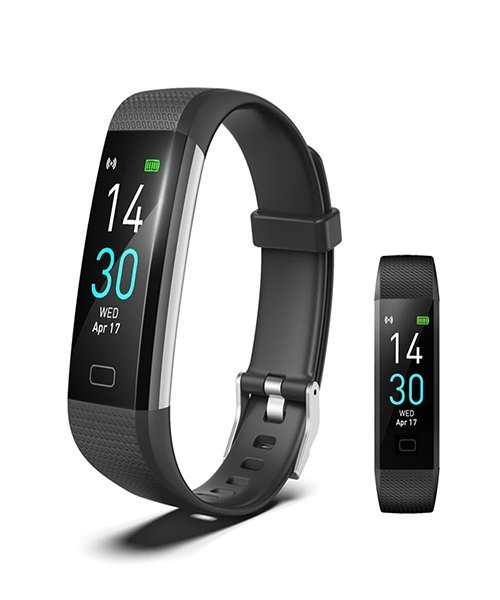
You don’t need the most expensive model. You need something you’ll actually wear consistently.
A comfortable extra strap/band
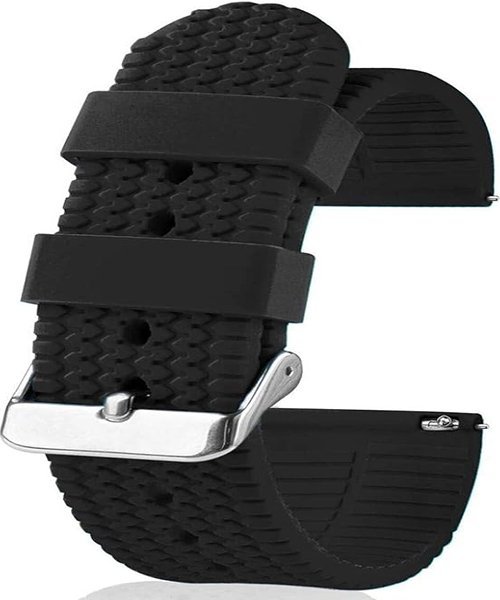
If the band irritates your skin or feels annoying, you’ll stop wearing it and the habit dies.
A charger dock or dedicated charging spot
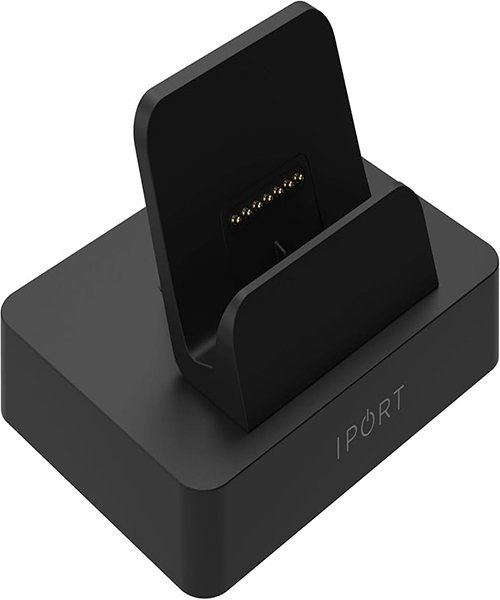
The “I forgot to charge it” problem is real. A fixed charging place prevents that.
A chest strap (optional, for more accurate heart-rate during workouts)
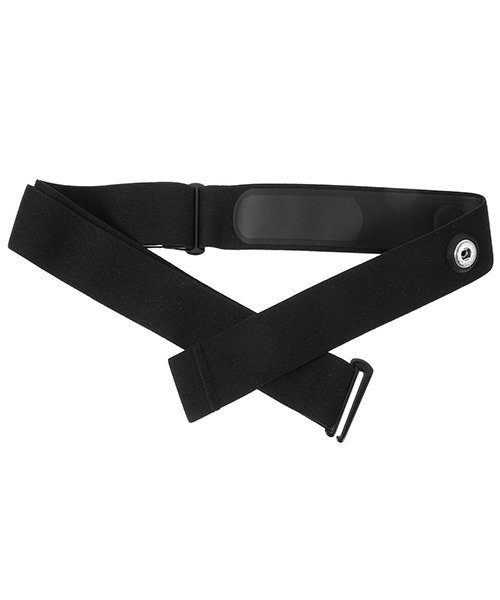
Not required, but helpful if your watch struggles during faster movement or strength circuits.
A simple water bottle you keep near your training spot

Hydration sounds basic, but it genuinely affects how training feels and how quickly you recover.
Why This Works When Motivation Doesn’t
Motivation makes you do more. Feedback makes you do better. I realized I didn’t actually need to push harder. I needed to stop guessing. Because guessing is how you end up doing a “light” workout that isn’t light at all, then wondering why you feel drained.
A wearable gives you one clear reality check. Not to control you—just to remind you when your effort is creeping higher than you think. And once you have that, training becomes calmer. Less ego, more consistency.
The Small Rule That Made It Stick
My rule became: most workouts should feel easier than I think they “should.”
Not lazy-easy. Sustainable-easy.
So instead of trying to “win” every session, I aimed for a steady effort where I could still breathe normally, still talk in short sentences, still feel like I could keep going. The wearable helped because it showed me when my heart rate was climbing even if my brain was pretending I was fine.
And the best part was this: the rule didn’t depend on mood. I didn’t need hype. I didn’t need perfect energy. I just needed to show up and stay in a realistic effort range.
What I Actually Did (The Real-Life Version)
I stopped using tracking like a scoreboard and started using it like a speed limit. When I walked, I’d keep the pace steady instead of turning it into a power-walk race. When I did a short home workout, I’d take slightly longer rests instead of forcing the pace just to feel “productive.” When I felt tired, I didn’t quit movement completely—I did a gentle session on purpose and let that count.
I also started paying attention to recovery cues the next day. If I woke up feeling heavy and sore in a way that made everything feel harder, that was information. It didn’t mean I failed. It meant I went a little too hard for the stage I’m in. The wearable didn’t solve everything—it just helped me notice patterns faster.
The Part That Almost Ruined It
I almost turned it into tracking obsession. Steps, sleep scores, streaks, perfect rings, perfect weeks. That’s the trap. The moment it becomes perfection, you start doing workouts for numbers instead of doing workouts for your body.
So I made another rule: tracking is background, not the main event.
I check it, I learn from it, I move on. The goal is consistency, not a perfect graph.
Dos
Do use the wearable as a guide, not a judge.
It’s there to help you pace yourself, not to make you feel guilty.
Do keep most sessions at a “repeatable” effort.
If you can’t imagine doing it again tomorrow, it’s probably too hard for daily life.
Do create a charging routine.
Same spot, same time, no thinking—otherwise it dies quietly.
Do notice recovery patterns.
If you feel wrecked the next day often, your body is telling you something useful.
Do keep it boring on purpose.
Boring workouts are usually the ones that build real results because they actually happen.
Don’ts
Don’t turn every workout into a challenge.
Challenges are fun until they create pressure—and pressure creates quitting.
Don’t chase “maximum effort” as your default.
Hard sessions have a place, but they shouldn’t be your entire personality.
Don’t treat daily movement like it only counts if it’s intense.
A steady walk or easy session can be the thing that keeps you consistent.
Don’t let streaks control your brain.
Missing a day isn’t failure. It’s normal life.
Don’t ignore comfort.
If wearing it feels annoying, you won’t wear it, and the whole system collapses.
What Changed (Quietly, Over a Few Weeks)
The biggest change wasn’t that I became fitter overnight. The change was that my workouts stopped stealing energy from the rest of my life. I felt more stable. I recovered faster. I stopped having those random “I went too hard and now I’m out for three days” moments. And because training felt calmer, I showed up more.
It also made movement feel less emotional. No guilt. No hype. Just a normal part of the day, guided by one small feedback loop that kept me from overdoing it.
Conclusion
This wearable habit didn’t magically transform me. It didn’t make me perfectly disciplined. But it did something more useful: it helped me stop guessing, stop over-pushing, and start training in a way I can actually repeat. When you keep effort realistic, consistency becomes easier—and consistency is where results come from.


0 comments
Be the first to comment.