The Warm-Neutral + Layered Lighting Refresh That Makes Any Room Feel New
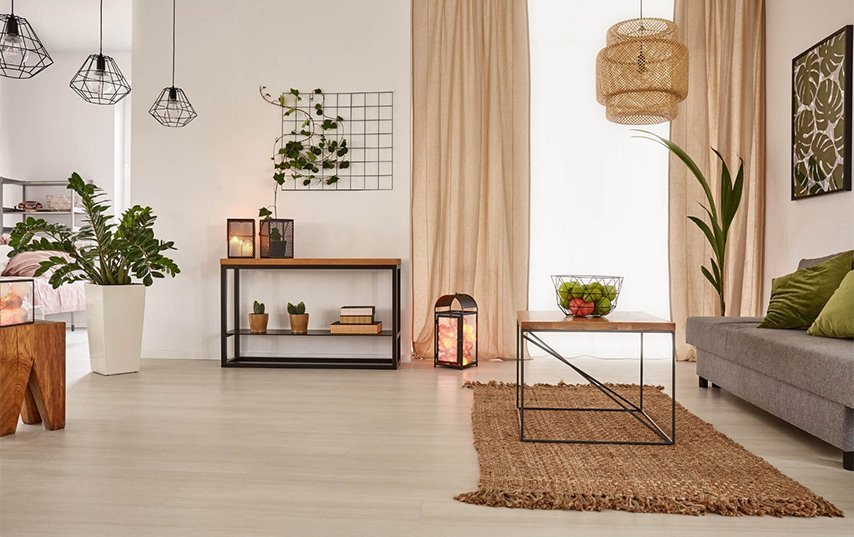
There’s a certain kind of tired that shows up in a home before it shows up in you. It’s not that anything is “wrong.” It’s just that the space starts feeling a little flat. The light feels harsh at night. The corners feel empty in the daytime. The room works, but it doesn’t comfort. And …
 Evan
5 min read
Evan
5 min read
There’s a certain kind of tired that shows up in a home before it shows up in you. It’s not that anything is “wrong.” It’s just that the space starts feeling a little flat. The light feels harsh at night. The corners feel empty in the daytime. The room works, but it doesn’t comfort. And when that happens, most people do the same thing: they start buying random little décor pieces and hoping the room magically clicks.
I’ve learned the hard way that the fastest refresh isn’t more stuff. It’s better mood. And mood usually comes from three things you can actually control without renovating: warm neutrals, soft texture, and layered lighting.
The Room Problem Most People Have (Even If They Don’t Say It Out Loud)
A lot of rooms aren’t missing style. They’re missing softness. They look okay in the daytime, then at night they feel cold. Or they feel “busy,” but not cozy. Or they have furniture, but no warmth. That usually happens when the palette is too stark, the lighting is too flat, and everything has the same texture.
The good news is you don’t need to redo the whole room. You just need to change the pieces that control the feeling of the room the most.
The 3-Step Refresh That Works Almost Everywhere
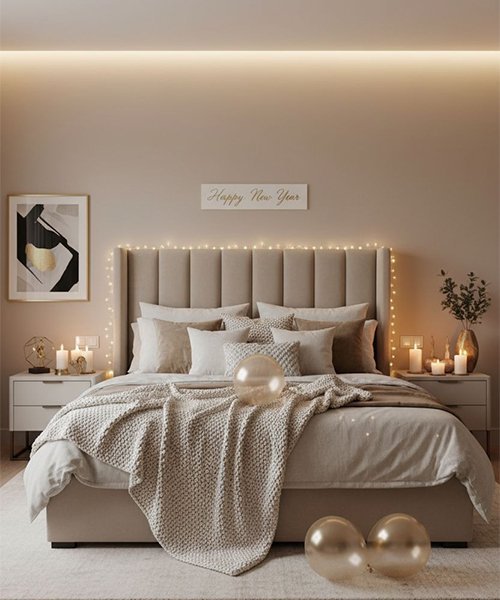
Step one is warmth. That doesn’t mean painting your walls brown. It means introducing warmer tones where your eye naturally lands—throws, pillows, rugs, lampshades, wood accents, and small décor that isn’t bright white or icy gray.
Step two is texture. A room can be neutral and still feel rich if it has texture. Linen, woven baskets, knits, boucle-style fabric, textured curtains, a rug with depth—these make a space feel “finished” even when the color palette is simple.
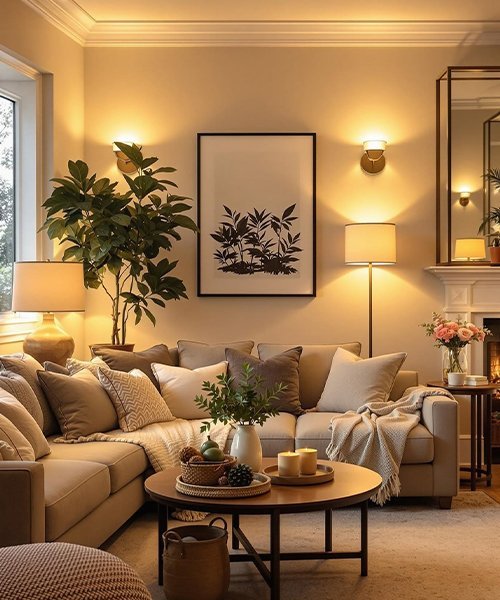
Step three is layered lighting. This is the real cheat code. One overhead light makes a room feel like a waiting room. Two or three light sources make it feel like a home. And the best part is you don’t need fancy lighting—just warm light in the right places.
Why Layered Lighting Changes Everything Faster Than Décor
If your lighting is harsh, every color looks harsher. If your lighting is warm and soft, even basic furniture looks better. Layered lighting also makes a room feel “alive” because it creates depth—some corners glow, some corners stay calm, and the room starts having a vibe.
A simple lighting mix works almost anywhere:
- one main light source (ceiling or wall)
- one lamp that lives near where you sit
- one small “mood” light (a tiny lamp, a candle warmer, or a soft corner light)
You don’t need to buy all of this at once. Even adding one good lamp can change how the whole room feels after sunset.
What to Buy (So It Looks Intentional, Not Random)
This is where people usually mess up: they buy ten small things instead of one or two “big mood” upgrades. If you want your room to look expensive on a normal budget, prioritize items that fill visual space and affect mood.
Here are five product types that make a noticeable difference without turning into a full makeover:
A warm-toned area rug
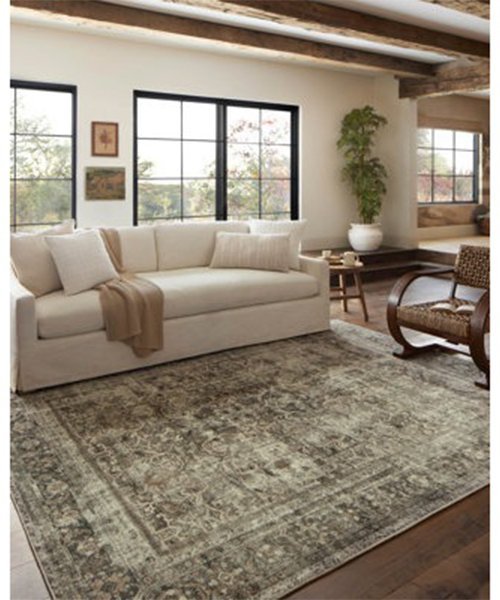
A rug is basically the foundation of the room. If the floor looks bare or the rug feels too small or too pale, the whole room can feel unfinished. A deeper neutral rug (warm beige, taupe, soft brown, or a vintage-style pattern) makes the room feel grounded instantly.
A table lamp with a warm bulb
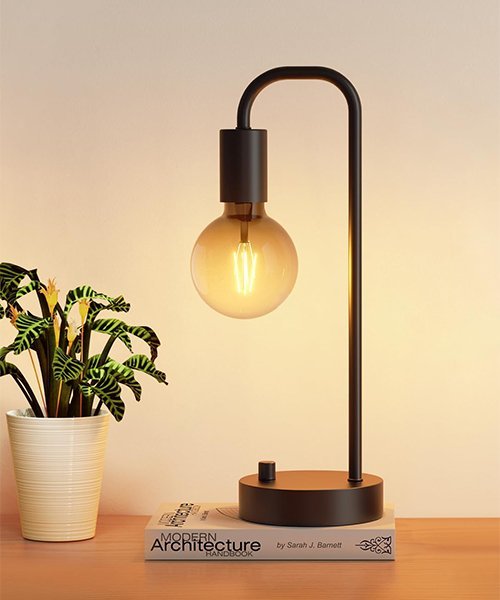
If you only buy one thing, make it a lamp. Pick something with a shade that softens light (fabric or linen-style shades are especially forgiving). Warm bulbs matter more than people realize. The same room can look completely different depending on the bulb temperature.
A textured throw blanket

This is the easiest way to add “soft luxury.” A chunky knit, a woven throw, or a brushed fabric throw makes a couch look styled even on messy days. It’s also a low-risk update because it’s easy to change seasonally.
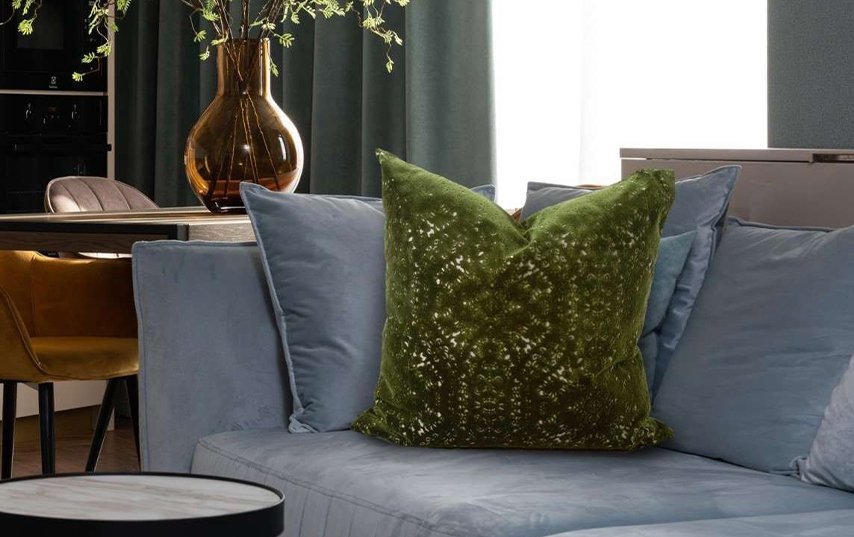
Two cushion covers in a warmer palette
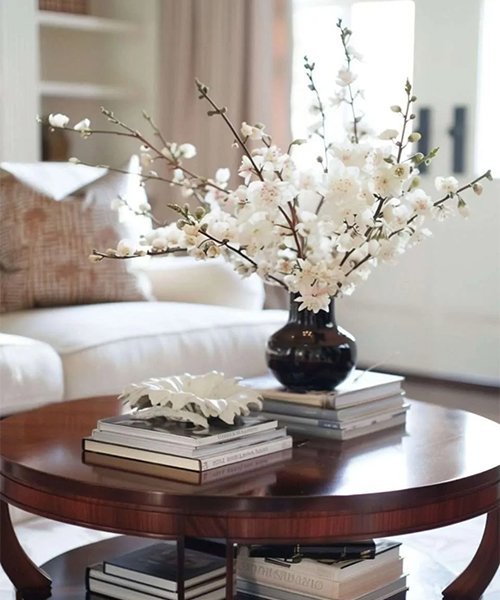
You don’t need ten pillows. You need two that look intentional. Think: one solid warm neutral, one with texture or a subtle pattern. Switching covers is cheaper than switching the entire pillow, and it changes the room faster than most décor.
A wood or stone-look tray for the coffee table
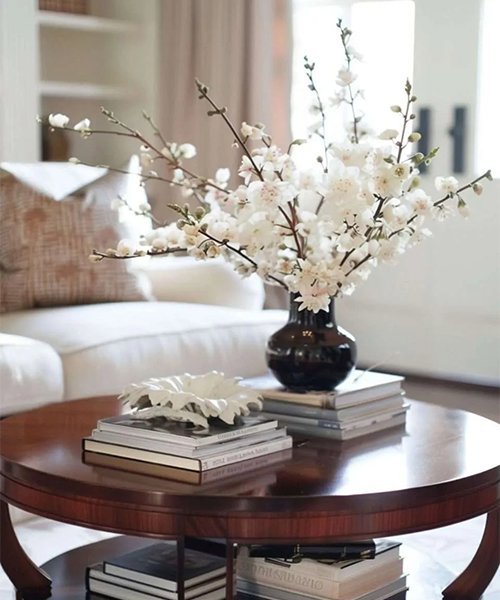
This is a small item, but it makes everything feel organized. A tray turns “random items” into a styled group. It also adds natural material, which is what makes warm-neutral rooms feel real and not sterile.
How to Add a “Curated” Feel Without Buying Too Much
The difference between a room that looks collected and a room that looks cluttered is usually restraint. You want fewer things, but better placed.
A simple approach that works:
- choose one “anchor” (rug or lamp)
- choose one “soft layer” (throw or curtains)
- choose one “natural” element (wood tray, basket, ceramic vase)
- then stop and live with it for a few days
Most people don’t need more décor. They need clearer decisions.
A Quick Weekend Plan That Doesn’t Feel Overwhelming
If you want this refresh without turning your weekend into a renovation, do this:
Pick one room.
Choose one goal: “warmer and calmer.”
Then do only three moves.
Move one: swap the light. Add one lamp or change the bulb to a warmer tone.
Move two: add texture. Put a throw on the sofa or refresh cushion covers.
Move three: ground the space. Either add a rug or add a tray + a simple décor grouping.
Then stop.
Let the room breathe. The room will usually look better than you expect because you changed the things that control the mood.
Conclusion
A warm-neutral refresh isn’t about buying a new identity for your home. It’s about making the space feel softer, calmer, and more comfortable with a few upgrades that actually show. Layered lighting is the fastest win, texture is what makes it feel rich, and one good anchor item is what makes it look intentional. If you shop smart—especially in the categories where discounts matter most—you can get that “new room” feeling without spending like you replaced everything.
0 comments
Be the first to comment.