The Walk That Changed How I See Life With My Dog
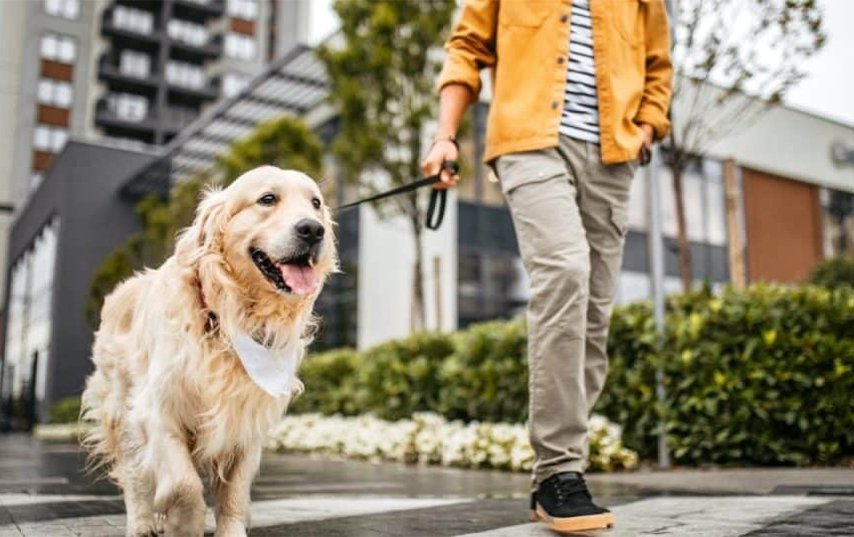
I didn’t plan for it to be a meaningful walk. It was one of those days where everything felt slightly heavy for no reason. Not a crisis. Not sadness. Just that low-level “my brain is full” feeling. I almost skipped the walk, too, because it was cold and I was tired and my dog was …
 Evan
5 min read
Evan
5 min read
I didn’t plan for it to be a meaningful walk.
It was one of those days where everything felt slightly heavy for no reason. Not a crisis. Not sadness. Just that low-level “my brain is full” feeling. I almost skipped the walk, too, because it was cold and I was tired and my dog was already lying down like a professional napper.
But he did that thing dogs do—looked at me like I promised him a whole life and now I was trying to cancel it.
So I clipped on the leash, half-heartedly. I told myself we’d just do the shortest loop and come back. No big deal.
And then something happened that made me realize how much I was rushing through the best part of the day without noticing.
The Moment That Made Me Slow Down
We were maybe five minutes in when my dog stopped—completely.
Not a quick sniff. Not a “checking a message” pause. He stopped like the sidewalk had delivered important information.
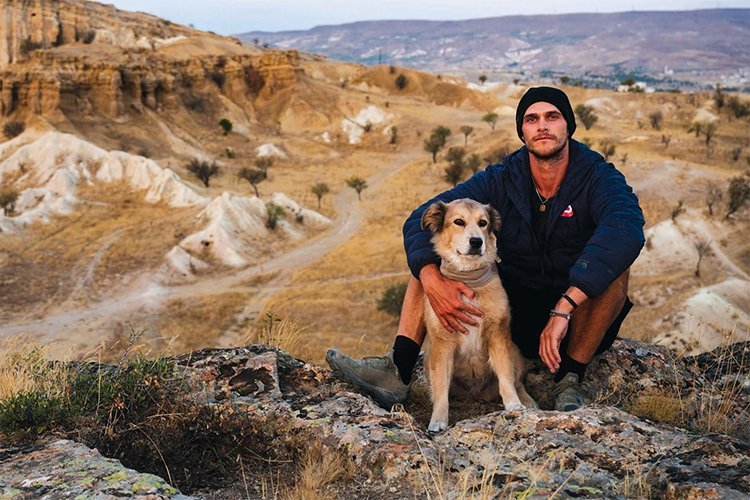
He leaned forward, nose down, and started sniffing one patch of grass like it held the secrets of the universe.
And my first reaction was the usual one: Come on, let’s go.
Because I was thinking like a person with a schedule, not like a dog who is literally experiencing the world through smell.
Then I noticed something: I wasn’t only rushing him. I was rushing myself.
Even on a walk that was supposed to be “for him,” I was treating it like a task I needed to complete so I could get back to whatever I thought I had to do next.
So I stopped pulling. I stopped “come on.” I just stood there and let him sniff.
And the weird part? My body relaxed.
Like my nervous system finally got the message: you’re outside. You’re walking. You’re not in a race.
What I Noticed When I Let the Walk Be a Walk
This is where it got slightly embarrassing, because I realized how often I’m not actually present.
When I stopped trying to control the pace, I started noticing small things:
The way my dog’s ears shift when he hears something far away.
How he checks behind us sometimes like he’s doing security.
How he slows down near certain houses and speeds up near others, like he has personal opinions about the neighborhood.
And then I noticed something even bigger:
My dog wasn’t trying to “get exercise.”
He was collecting information.
Every sniff was like reading a headline. Every pause was a conversation. And I’d been dragging him through it like it was background noise.
Once I let him do his thing, the walk became calmer. Not slower in a frustrating way—slower in a way that felt… right.
The Tiny Change I Made After That Walk
After that day, I changed how we do walks—not all walks, but enough that it shifted our routine.
I started doing what people call a sniff walk, but I didn’t make it a whole lifestyle identity. I just decided:
At least once a day, one walk is for him.
That means:
- I let him sniff longer
- I don’t rush the “boring” parts
- I don’t treat every stop as a delay
- I let the route bend a little based on what he’s curious about
And here’s the important part: I didn’t do it for an hour. I did it for 15–20 minutes.
Because that’s what makes it repeatable.
What Changed (Quietly, Over a Few Weeks)
This wasn’t one of those “everything transformed” stories.
But the effects showed up in small ways that mattered.
1) He came home calmer
Before, some walks would end and he’d still feel restless, like he didn’t get what he needed.
With sniff walks, he’d come home and settle more easily. It was like mental exercise did more for him than extra distance.
2) The leash pulling got better
This surprised me.
I didn’t train “no pulling” aggressively. But when he knew he’d get sniff time, he stopped trying to drag me toward every smell like he was fighting for his life.
Less urgency. Less frustration. More cooperation.
3) His “random” anxiety moments softened
He still reacts to things sometimes—he’s a dog. But the overall nervous energy reduced.
Because sniffing is regulating. It’s calming. It gives his brain a job.
4) I started enjoying walks more
This was the part I didn’t expect.
I used to see walks as something I had to do. Now they feel like a reset for both of us.
Not every day. Some days I’m still rushing. But overall, I stopped treating walks like chores.
The Part That Almost Ruined It
You already know what almost ruined it.
I tried to over-optimize it.
I had thoughts like:
“Okay, we need a strict sniff schedule.”
“Okay, we need a new harness.”
“Okay, we need a new route every week.”
And then I remembered: my dog does not care about my productivity mindset.
He cares about consistency.
He cares about feeling safe.
He cares about being allowed to be a dog.
So I kept it simple. Same leash. Same neighborhood. Just more permission.
If You Want to Try It, Here’s the Easy Version
If you want to test this without making it complicated:
- Pick one walk a day
- Decide it’s a “sniff walk”
- Let your dog stop without rushing
- Keep the walk shorter if you need to
- Watch what happens when you stop treating sniffing like wasted time
And if you’re worried you’ll never get anywhere: give it 15 minutes. That’s enough to see the difference.
Final Verdict
That walk didn’t change my dog.
It changed me.
It reminded me that living with a pet isn’t only about feeding them and walking them and checking off responsibilities. It’s about sharing a pace with a creature who experiences the world differently.
My dog wasn’t slowing me down.
He was pulling me out of my head.
And once I let the walk be a walk—messy, sniffy, slow in places—it became the most calming part of the day for both of us.
Keep reading
 Pet Life
The Gut-Health Shift I Didn’t Expect to Matter This Much
Evan · · 6 min
 Pet Life
My Dog’s Morning Routine That Made His Joints Feel Better
Evan · · 8 min
 Pet Life
The Food-Bowl Pause That Helped My Dog Stop Inhaling Meals
Evan · · 8 min
 Pet Life
0 comments
Be the first to comment.