The “Tiny Pond Bowl” I Added — And Why It Changed My Whole Yard Faster Than Plants Did
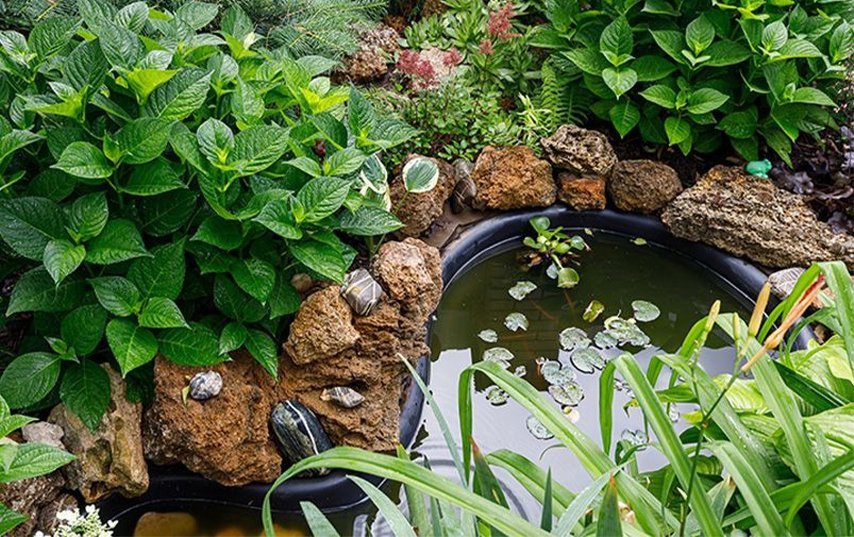
I used to think “wildlife-friendly yard” meant you needed a whole plan. Native plant lists, perfect sun maps, seasonal bloom schedules, the kind of spreadsheet energy I honestly don’t have. My yard is normal. Sometimes it looks great, sometimes it looks like I’ve been busy being a person. I’d look out the window and think, …
 Evan
5 min read
Evan
5 min read
I used to think “wildlife-friendly yard” meant you needed a whole plan. Native plant lists, perfect sun maps, seasonal bloom schedules, the kind of spreadsheet energy I honestly don’t have. My yard is normal. Sometimes it looks great, sometimes it looks like I’ve been busy being a person. I’d look out the window and think, I should do something for nature, then I’d immediately talk myself out of it because I didn’t want another project that starts strong and dies quietly.
What pushed me into actually doing something was a boring observation: my yard felt empty in the middle. Birds would fly over it, not into it. I’d see squirrels pass through like they were commuting, not hanging out. Even when I planted a few flowers, the “life” felt occasional. It was like I’d added decoration, but not usefulness.
Then one warm afternoon I watched a bird land on the fence, tilt its head, and fly off again, and I had a simple thought: What if the yard doesn’t feel safe or useful because there’s nothing here that solves a real need? Not “pretty,” not “curated.” A real need.
So I did one upgrade that sounded almost too basic to matter.
The One Upgrade
I added a shallow water source. That’s it.
Not a fountain. Not a built-in pond. Just a wide, shallow bowl (think birdbath depth, but lower and easier to clean) placed in a spot I could see from the window and reach easily with a watering can. I picked shallow on purpose because I didn’t want anything risky, and I didn’t want it to become a maintenance nightmare. I also added a couple of flat stones inside it—partly so smaller creatures had something to stand on, and partly because it made the whole thing feel less like a random dish and more like an intentional feature.
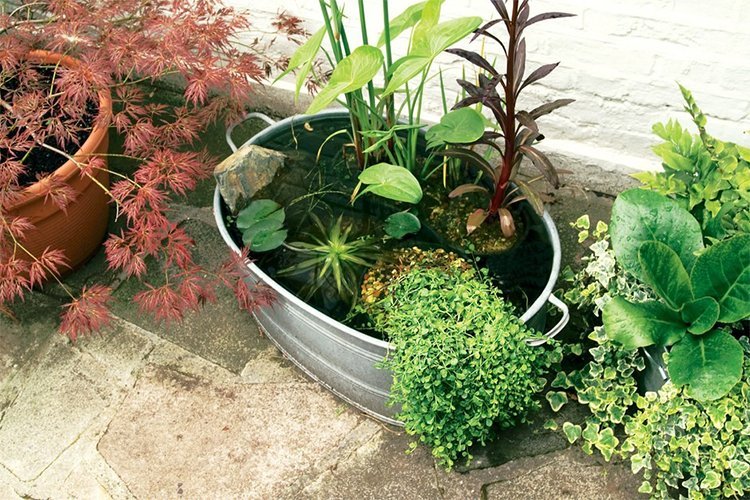
The placement mattered more than I expected. Too open, and it feels exposed. Too hidden, and you forget it exists. I put it near some cover—bushes and a small tree line—so anything that came to drink could retreat fast if it needed to. That one detail made it feel like a “stop” instead of a trap.
And then I made the most important decision: I kept it easy enough that I wouldn’t quit.
What I Did (So It Didn’t Become a Project)
I didn’t overthink the setup. I set a small routine that fit my real life: refill and rinse often, but quickly. The bowl wasn’t allowed to become a “someday” chore. If it looked dirty, I dumped it, swished it, refilled it. Two minutes. If I didn’t have two minutes, I at least topped it up.
I also kept the water shallow and fresh, which made it feel less like something that would attract problems. And I didn’t try to “optimize” it with gadgets. No pumps. No fancy add-ons. Just water, stones, and consistency.
The funny part is how much this one habit changed the way I noticed my yard. Once the bowl existed, I started looking for who might use it. Not in an obsessive way—more like the yard had a focal point that created a story.
What Changed Over the Next Few Weeks
The first visitors weren’t some magical wildlife montage. The first visitors were the regulars: small birds that already lived nearby. At first they were cautious. One would land on the fence, stare at the bowl for a full minute like it was suspicious, then hop down, take a sip, and bounce away fast. Then it started happening more often. Birds would arrive, drink, hop to the edge, flick water on themselves in quick little bursts, then disappear into the greenery like it was part of their route.
That’s when I realized something: water changes behavior. Plants help, yes—but water is immediate. In dry spells or warm days, water becomes a reason to enter a space, not just pass over it. And once birds started using the bowl, the yard felt different. It wasn’t “empty with plants.” It became a place something returned to.
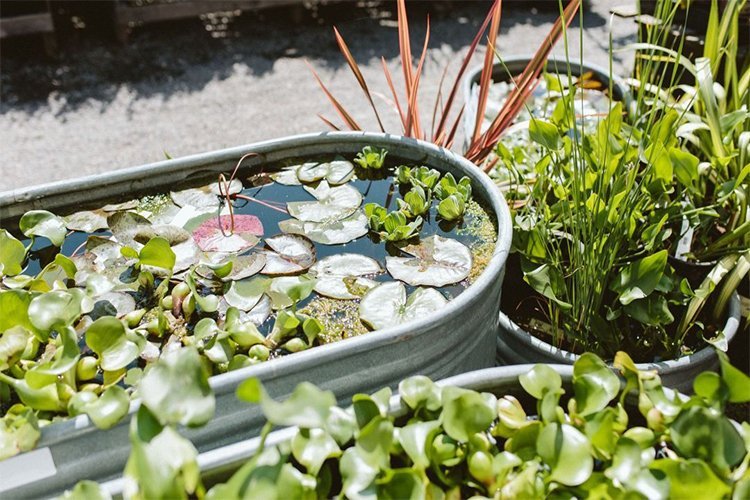
I also started noticing activity earlier and later in the day, when I’m usually not paying attention. Early morning: quiet sips, quick visits. Late afternoon: more relaxed, more lingering. And occasionally I’d look out and see a bird sitting close by, almost like it was waiting for its turn. That small routine—show up, drink, leave—made the yard feel lived-in.
Even better: it didn’t require me to become a gardening expert. It required me to keep one bowl clean.
The Mistake I Almost Made
Of course my brain tried to turn it into a bigger thing. The moment it started “working,” I wanted to upgrade it—bigger basin, fancy fountain, multiple stations, a whole backyard transformation. That’s my usual pattern: something simple works, and I immediately try to improve it to death.
So I stopped. I kept it as one bowl.
Instead of adding more hardware, I improved the supporting cast in tiny ways: I let one patch of the yard grow a bit longer near the edges. I left a couple of leaf piles in a back corner instead of clearing everything. I kept the bowl near cover. Small, low-effort choices that made the space feel safer without turning my weekend into a landscaping marathon.
The point wasn’t to build a wildlife resort. The point was to make one part of my yard genuinely useful.
Final Verdict
If you want one backyard change that makes your yard feel “alive” faster than planting does, try a shallow water bowl you can actually maintain. It’s simple, it’s immediate, and it gives wildlife a real reason to drop in. Keep it shallow, keep it clean, place it near cover, and don’t overcomplicate it.
It won’t turn your backyard into a nature documentary overnight, but it will change the vibe. It’s the difference between a yard that looks nice and a yard that gets used.
Keep reading
 Nature
The Winter Walk That Made My Street Feel Alive Again
Evan · · 6 min
 Nature
The Puddle I Would’ve Normally Ignored
Evan · · 5 min
 Nature
 Nature
The After-Work Loop That Makes My Brain Shut Up
Evan · · 5 min
0 comments
Be the first to comment.