The Small-Home Tech Upgrades That Actually Pay Off (Not Just “Smart” for the Sake of It)
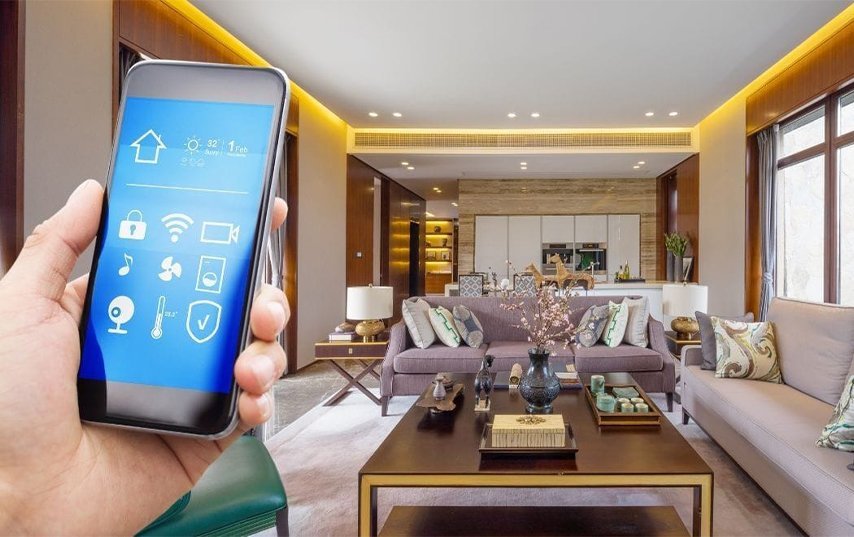
Smart home shopping can get weird fast. You start with one simple idea—“I just want the house to feel easier”—and suddenly you’re looking at a gadget that needs its own app, a subscription, three updates a month, and a setup process that makes you question your life choices. I’ve learned the hard way that the …
 Evan
4 min read
Evan
4 min read
Smart home shopping can get weird fast. You start with one simple idea—“I just want the house to feel easier”—and suddenly you’re looking at a gadget that needs its own app, a subscription, three updates a month, and a setup process that makes you question your life choices. I’ve learned the hard way that the best small-home tech upgrades aren’t the flashy ones. They’re the ones you stop noticing because they quietly reduce friction every day: less clutter, fewer annoying routines, less “where is the switch,” less “why is this not working,” less chaos around mornings and nights. So this is a small-home list that’s intentionally boring in the best way—practical upgrades that actually earn their space.
The 3 Rules I Used Before Picking Anything
First, it has to solve a daily problem, not a once-a-month problem. Second, it needs to work without drama—meaning minimal apps, minimal maintenance, and no fragile “only works when everything is perfect” vibe. Third, it needs to fit small spaces specifically: compact, low-visual-clutter, and useful even when you don’t have room for extra furniture or complicated setups.
What I’d Buy (5 Small-Home Tech Upgrades Worth It)
1) A Slim Floor Lamp That Fixes “Bad Lighting” Without Taking Over the Room
Small spaces often feel worse because lighting is harsh or uneven—one bright ceiling light that makes everything look flat. A slim floor lamp is one of the simplest upgrades because it changes the mood instantly without eating space. Put it near the couch, in a dark corner, or beside a desk, and it makes the room feel warmer and more intentional. Bonus points if it’s dimmable, because dimming is basically “small space luxury.”
2) A Smart Plug That Turns “Did I Turn That Off?” Into a Non-Issue
Smart plugs are underrated because they don’t look exciting, but they solve real-life annoyances: turning off heaters, lamps, fans, and small appliances without getting up or second-guessing yourself later. In a small apartment, this is especially useful because everything is close together and you want routines that feel simple: one-tap “all off,” bedtime shut-down, morning light, whatever fits your day. The best part is you can get the “smart home” benefit without committing to a whole ecosystem.
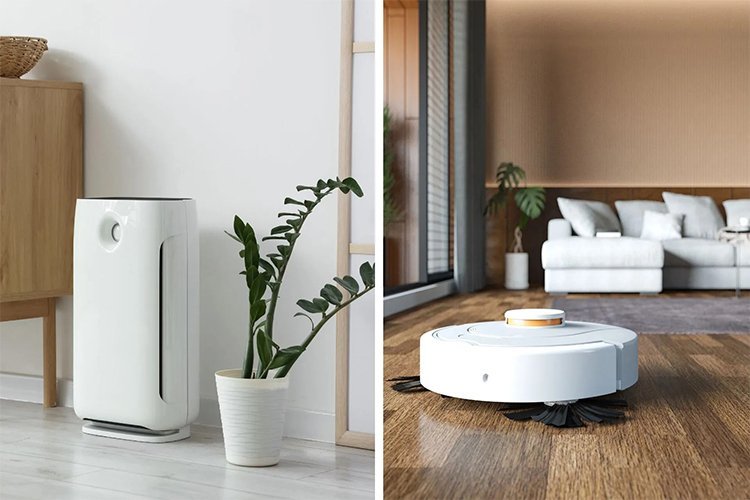
3) A Compact Air Purifier That Makes the Room Feel Fresher (Especially in Small Apartments)
This one isn’t glamorous, but if you’ve ever lived in a small space, you know air can get stale fast—cooking smells, dust, city air, pets, closed windows, humidity. A compact air purifier can make a noticeable difference in how the room feels. It’s not about turning your place into a lab. It’s about making the air feel less heavy, especially at night. If you’re sensitive to dust or you wake up feeling congested sometimes, this is the kind of upgrade you feel without needing to “remember” it’s there.
4) A Motion Sensor Light for the Two Places That Always Annoy You
Small spaces usually have at least one “why is it so dark here” zone—entryway, hallway, bathroom at night, closet, kitchen corner. Motion sensor lights (especially simple stick-on or battery ones) are a surprisingly good quality-of-life upgrade because they remove tiny daily friction: fumbling for switches, walking into darkness, waking yourself up with full brightness at night. The key is placement: don’t cover your whole home with sensors. Pick two pain points and fix those.
5) A Smart Speaker / Hub That’s Actually Used for One or Two Things Only
This is where people mess up—they buy a smart speaker expecting it to change their life, then never use it because they tried to do too much. The way it becomes worth it is when it becomes a “one or two job” device:
- set timers while cooking
- play music without grabbing your phone
- control a couple lights/plugs with a simple voice command
- run one bedtime routine
If you keep it minimal, it feels helpful. If you try to automate your whole life, it becomes annoying.
What I’d Skip (Because It’s Usually Not Worth the Small-Space Tradeoff)
I’d skip bulky “smart” gadgets that take up visual space but don’t reduce real friction. I’d also skip anything that requires constant app babysitting, frequent charging, or complicated automations to feel useful. In small homes, simplicity wins. If the product adds clutter—physical or mental—it’s not an upgrade, even if it looks cool online.
Final Take
The best small-home tech upgrades don’t make your place feel like a tech showroom. They make it feel calmer, easier, and less annoying—better light, fresher air, fewer tiny tasks, smoother mornings, quieter nights. If you’re building a small-space setup, think like this: solve the daily pain points first, keep the tech simple, and pick upgrades you’ll feel every day without needing to “try.”


0 comments
Be the first to comment.