The Resistance-Band Habit That Finally Made Strength Feel “Normal”

For a long time, I treated strength training like something I had to gear up for. Mentally, physically, emotionally. It always sounded great in theory—until it was a normal weekday and I was already tired before lunch. I’d save workouts for “later,” and later would arrive with the same energy as a closed shop. What …
 Evan
7 min read
Evan
7 min read
For a long time, I treated strength training like something I had to gear up for. Mentally, physically, emotionally. It always sounded great in theory—until it was a normal weekday and I was already tired before lunch. I’d save workouts for “later,” and later would arrive with the same energy as a closed shop.
What finally worked wasn’t a new plan or a perfect routine. It was a tiny habit that lived right inside my day, attached to something I already did without thinking. No drama. No big start. Just a small, repeatable reset that made my body feel a little more capable over time.
What to Buy (5 Products That Are Actually Worth It for Resistance-Band Training)
A set of loop resistance bands (light to heavy)
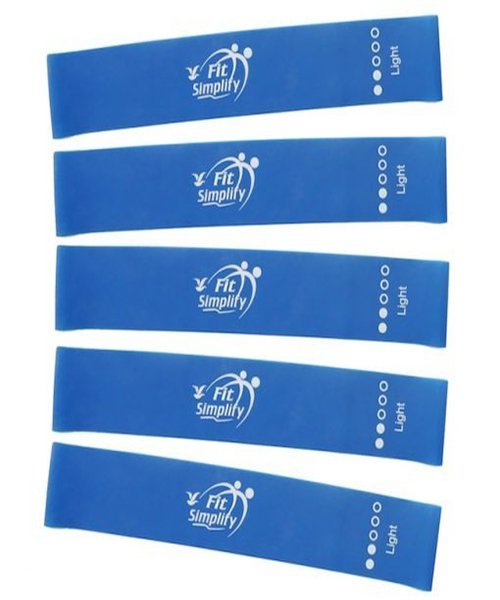
These are the easiest way to make legs and glutes work without needing machines, and you can keep them anywhere without clutter.
A long resistance band with handles
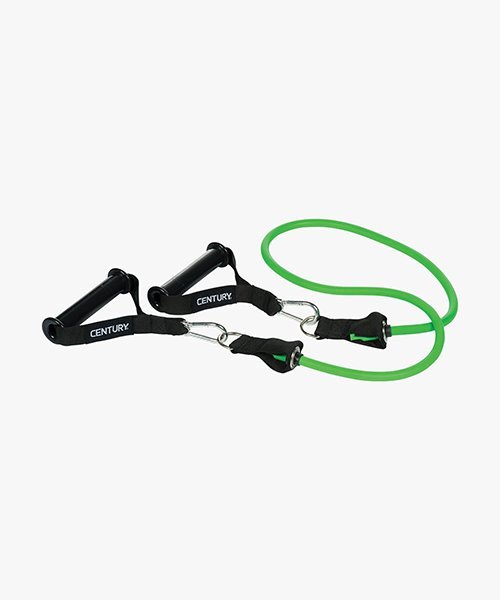
This is the one that makes upper-body moves feel smoother—rows, presses, curls—especially if you don’t love dumbbells.
A door anchor (for bands)
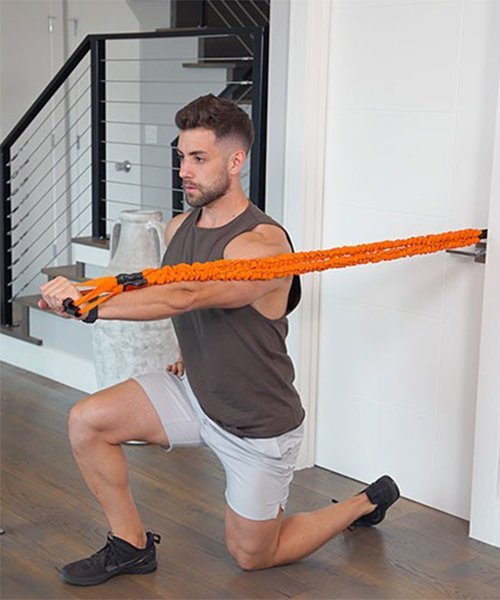
It turns any door into a mini “cable station,” which is what makes bands feel like a real workout tool instead of just stretching gear.
A non-slip exercise mat
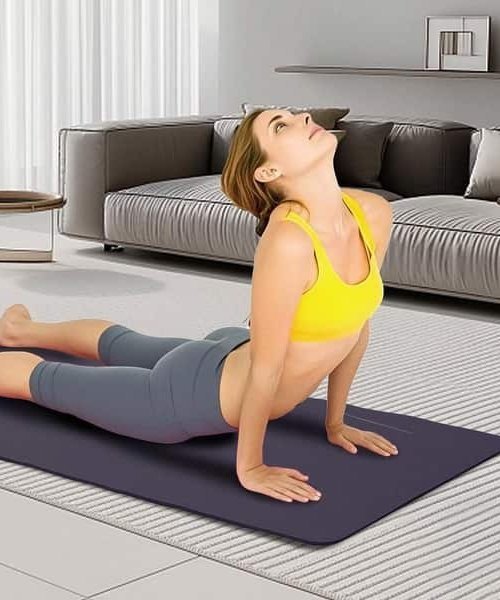
It’s not about aesthetics. It’s about not sliding around and actually feeling stable when you’re doing quick sets.
A simple timer (or a tiny desktop timer)
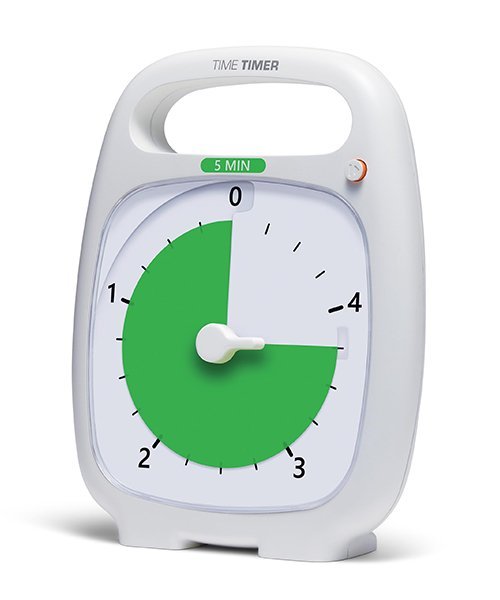
This keeps the habit short. When you can see the time, you’re less likely to overcomplicate it.
The Problem I Kept Calling “Busy Life”
My issue wasn’t that I didn’t know what to do. My issue was that I kept trying to do strength training like a full event. I’d tell myself I needed the right time, the right mood, the right playlist, the right motivation. And if any one of those things didn’t show up, I’d skip the whole idea.
I also noticed something annoying: my body was getting “tired” in very ordinary ways. Carrying groceries felt heavier than it should. Standing up after sitting too long felt stiff. Little things started requiring effort, and I kept pretending that was just adulthood. Maybe some of it is. But I also knew my routine had turned into a lot of sitting with occasional bursts of “I should really work out.”
So I stopped asking, “How do I become consistent?” and asked a smaller question: What can I do that’s so easy I won’t argue with it?
The Tiny Rule That Made It Stick
The rule was simple: every time I waited for my kettle (or coffee) in the morning, I did one band set. Not a workout. One set.
Because the kettle time is weirdly perfect. You’re standing there anyway. You’re not fully in your day yet. You’re not scrolling deeply (unless you choose to be). And it happens most days without you having to “schedule” it.
So I built the habit into that moment. Band set first, coffee second.
And the rule had a second part that mattered even more: one set counts, even if it’s the only thing I do all day. That stopped the all-or-nothing spiral. If I tried to turn it into a full workout every time, I’d eventually quit. If I kept it small, it survived.
What I Actually Did (Without Turning It Into a Whole Program)
I didn’t follow a plan. I didn’t count weekly volume. I didn’t do anything fancy. I kept two bands where I could see them—one loop band and one long handled band. If I couldn’t see them, I’d forget they existed. Visibility did more for consistency than motivation ever did.
Most mornings, I’d do one set of something that matched the day. If my shoulders felt tight, I’d do band pull-aparts. If my legs felt sleepy, I’d do glute-focused moves. If I was low-energy, I’d pick the easiest move and still count it, because the habit was more important than intensity.
Here’s what “one set” looked like in real life: I’d put the kettle on, grab the band, do a set of 10–20 reps slowly (not rushing), and stop. Sometimes I’d do a second set if I felt good, but I didn’t require it. Requiring it would have turned it into a project.
On days when I wanted something that felt more “full body” without time, I used the door anchor. One quick set of rows or presses makes you feel surprisingly awake, and it doesn’t require rearranging your living room. That door anchor is what made the band feel like a real strength tool instead of a “stretchy thing.”
And if I missed a morning, I didn’t punish it. I’d just do a set later—often when I stood up to refill my water. Not because I was chasing perfection. Just because it was easy to return to.
The Part That Almost Ruined It
After a week or two, the habit started working—which is usually when my brain tries to mess with it. I’d think, “This is going well. Let’s upgrade it.” And upgrades are where I lose routines. Upgrades add pressure. Pressure makes me avoid things.
I had the urge to add a whole circuit. Add a checklist. Add a schedule. Add tracking. But I noticed something: the reason I was showing up was because it was small and unthreatening. If I made it bigger, I’d bring back the same problem in a new outfit.
So I kept it boring on purpose. One set. Kettle. Done.
Dos
Do keep the bands visible.
If your band lives in a drawer, it becomes an “idea,” not a habit. Visible beats motivational every time.
Do attach it to one daily trigger.
Coffee, kettle, brushing teeth, feeding a pet—anything that happens anyway. The trigger is what makes it repeatable.
Do pick one move you don’t hate.
If you choose a move that feels annoying or complicated, you’ll avoid it. Start with the move that feels easiest.
Do move slowly and stop before form gets messy.
Bands work best when you control them. Rushing turns it into flailing, and flailing makes you feel like it “doesn’t work.”
Do keep the habit small on weekdays.
You can always do more later, but the weekday habit should be easy enough to survive tired mornings.
Don’ts
Don’t turn it into a full workout if you’re trying to build consistency.
Full workouts are great, but they’re not always repeatable. Let the micro-habit be the foundation.
Don’t buy only one band level.
If it’s too light, it feels pointless. If it’s too heavy, you’ll avoid it. A set gives you options without frustration.
Don’t store the band “somewhere safe.”
Safe usually means invisible. Invisible usually means unused.
Don’t chase soreness as proof.
This habit works because it’s repeatable. The proof is how you feel during normal life, not how wrecked you are.
Don’t quit because you missed a day.
Missing a day is normal. The win is returning without drama.
What Changed (Quietly, Over a Few Weeks)
The first change wasn’t visual. It was practical. My body started feeling more “online” earlier in the day. My shoulders felt less locked. My legs felt more awake. It wasn’t a transformation, it was a reduction in friction—like daily tasks asked for less effort.
I also noticed my posture improved without me policing it. Not because I suddenly became a posture person, but because my upper back and shoulders were getting regular reminders to move. That small movement broke up the long sitting patterns that were slowly turning me into a desk shape.
Another unexpected change: I became less intimidated by the idea of “working out.” When you do a small strength set almost daily, strength stops feeling like a special event. It becomes normal. And once something becomes normal, it’s easier to build on it. Some days I’d add a second set. Some days I’d do a short walk after. Not because I forced it, but because I already had momentum.
And maybe the best part: I stopped feeling like I needed perfect conditions. The routine fit into real life—messy mornings, low-energy days, busy days—because it didn’t demand a new personality.
Conclusion
This resistance-band habit didn’t turn me into a “gym person.” It didn’t magically fix every stiff day or make me disciplined overnight. But it did something more useful: it made strength training feel normal enough to repeat, and repetition is what actually changes how your body feels.
If you want a fitness habit that lasts, the secret is rarely intensity. It’s a tiny routine with a real trigger, a setup that stays visible, and a rule that doesn’t punish you for being human. One set may look small on paper, but in real life, it adds up in the only way that matters—quietly, consistently, and without drama.


0 comments
Be the first to comment.