The One Backyard Corner I Stopped “Fixing” — And What Showed Up Instead
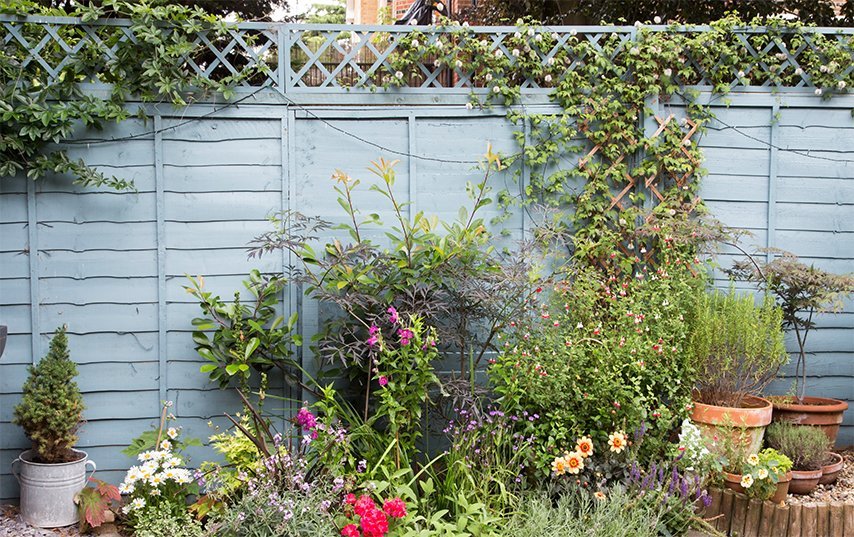
I didn’t set out to rewild anything. I set out to stop being annoyed at the same corner of my yard. You know the kind—too shady for grass to behave, too awkward for furniture, too visible to ignore. I kept “tidying” it in small guilty bursts: pulling out whatever popped up, trimming it back, trying …
 Evan
6 min read
Evan
6 min read
I didn’t set out to rewild anything. I set out to stop being annoyed at the same corner of my yard. You know the kind—too shady for grass to behave, too awkward for furniture, too visible to ignore. I kept “tidying” it in small guilty bursts: pulling out whatever popped up, trimming it back, trying to make it look like the rest of the yard was doing something on purpose. And it never worked. It always looked half-finished, like an area waiting for a better plan that I never had time to create.
One weekend I was standing there with gloves on, staring at that corner, and I had a very unglamorous thought: What if I just stop fighting it? Not in a dramatic “let nature take over” way. More in a tired, practical way. What if I stopped treating it like a problem I needed to solve and treated it like an experiment I could live with?
So I made a deal with myself: I’d leave one corner alone—but not messy. Just… supported. Like I’d give it the basics and then stop micromanaging.
The One Upgrade
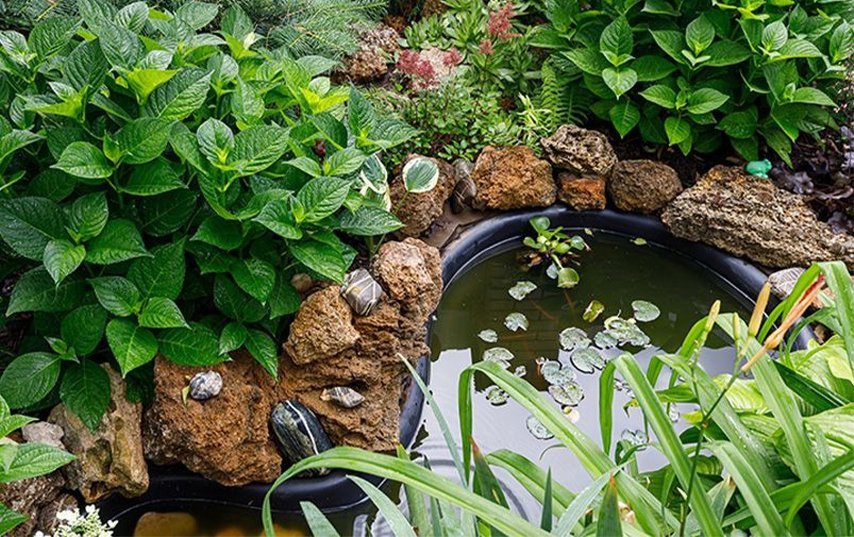
The upgrade wasn’t expensive and it wasn’t a big remodel. I didn’t rip up the yard or do anything that required tools I don’t own. I did one simple thing: I turned that corner into a small “soft landing” for wildlife by adding three elements that don’t look chaotic if you keep them contained—something for cover, something for flowers, and something that holds moisture.
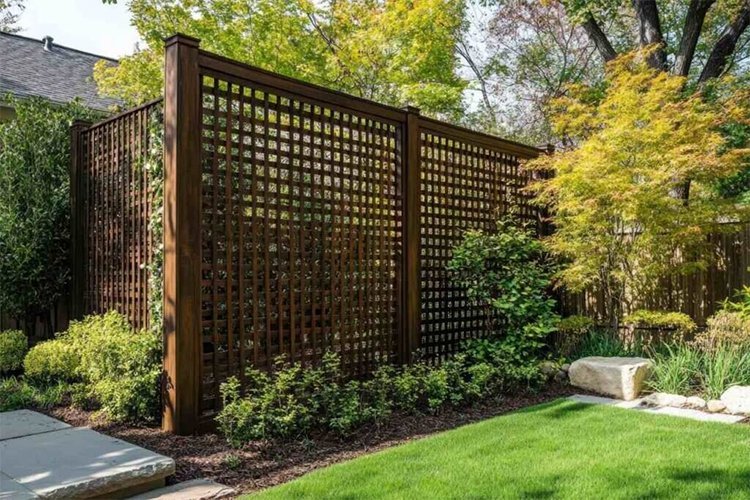
I edged the area with a clean border first (this matters more than people admit). Just a simple shape so it looked intentional, not abandoned. Then I added a small log piece and a few fist-sized rocks near the back, not as decor, but as texture—places insects can hide, places damp can linger, places the corner stops being a flat empty patch. After that I planted a handful of hardy, low-maintenance plants that could handle being ignored. I’m not going to pretend I memorized a perfect plant list. I chose things based on one real rule: if I’m not willing to baby it, it doesn’t belong in my yard. I left a little open soil too, because not everything needs to be filled, and empty space is sometimes part of the design.
The last piece was the easiest and honestly the most effective: I put a shallow water dish out. Nothing fancy. Just something I could rinse and refill without turning it into a project. That one step made the corner feel “alive” faster than anything else.
What I Did Without Turning It Into a Whole Lifestyle
The key was keeping it boring. I didn’t track progress. I didn’t make it a challenge. I didn’t stand there taking daily photos like I was running a documentary. I just changed how I treated that spot. Instead of weekly “cleanup,” I did quick check-ins: pull out anything that was genuinely invasive or clearly taking over, leave the rest, and resist the urge to tidy it into submission.
I also stopped judging it by how it looked from two feet away. This was a big mindset shift. A wild corner doesn’t always look “pretty” up close. It looks textured. It looks busy. If you only measure it by neatness, you’ll hate it. But if you measure it by whether it feels calmer, whether it’s doing something useful, whether it’s attracting life—then it starts making sense.
And if I’m being honest, the clean border kept me from panicking. The border was my mental safety net. It told my brain: This is contained. This is intentional. This isn’t you losing control of the whole yard.
What Showed Up Over the Next Few Weeks
The first change wasn’t butterflies or something cinematic. The first change was that the corner stopped looking dead. The soil held moisture longer. The plants settled. The area stopped being a blank patch that made me feel guilty. It started looking like a small ecosystem-in-progress.
Then came the tiny things. I started noticing more insects when I watered nearby—not swarms, just life. The kind of movement you only see if you pause for two seconds. I noticed birds landing closer to that corner than they used to. Not because they suddenly trusted me, but because cover makes a difference. A bird will take a chance on your yard if it has somewhere to retreat quickly. That corner became a safer “stop” instead of an open, exposed space.
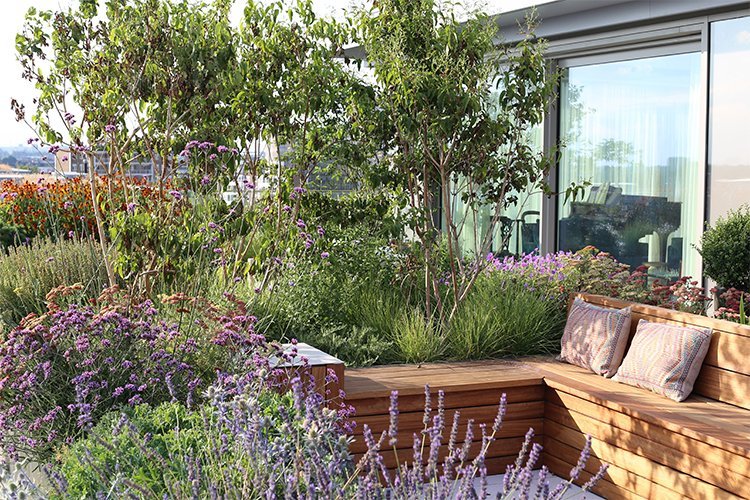
Even the sound changed. That surprised me. A yard that has more life has a slightly different background noise—more small rustling, more faint wing flicks, more quiet movement. It’s subtle, but once you notice it, you miss it when it’s gone.
The biggest surprise was how quickly it made the whole yard feel more intentional. Not in a luxury-landscaping way. In a real way. Like that corner finally had a purpose beyond making me annoyed.
The Mistake I Almost Made
Of course I almost ruined it by trying to upgrade it too fast. After the first signs of life, my brain wanted to add more: more plants, more features, more “improvements.” That’s how I usually kill good habits—by turning them into a bigger identity than they need to be.
So I stopped myself. I kept the corner small on purpose. One contained area. One low-maintenance setup. One place in the yard where I could practice letting nature do what it does without me constantly interfering.
If something looked genuinely out of control, I trimmed it. If it looked a little wild but healthy, I left it. That was the balance. Not neglect. Not perfection. Just support.
Final Verdict
This wasn’t a before-and-after transformation where my backyard became a nature reserve. It was a small change that made my yard feel more alive and less stressful. The corner that used to annoy me became the most interesting part of the yard, not because it looked perfect, but because it actually did something. It held moisture. It offered cover. It attracted small life. It gave the space a purpose beyond aesthetics.
If you want to try “rewilding” without turning your whole yard upside down, start like this: pick one awkward corner, give it a clean border, add a bit of texture (logs/rocks), plant a few hardy options you won’t baby, and put out a shallow water dish you’ll actually maintain. Keep it small. Keep it doable. Then leave it alone long enough to let it work.
Keep reading
 Nature
The Winter Walk That Made My Street Feel Alive Again
Evan · · 6 min
 Nature
The Puddle I Would’ve Normally Ignored
Evan · · 5 min
 Nature
 Nature
The After-Work Loop That Makes My Brain Shut Up
Evan · · 5 min
0 comments
Be the first to comment.