The “One App” That Turned My Walk Into a Tiny Nature Treasure Hunt
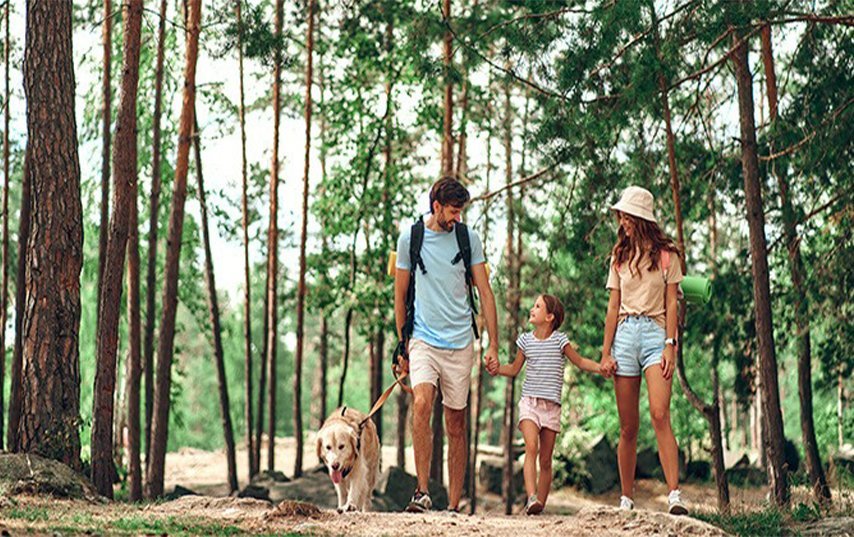
I used to do walks in a very ordinary way: headphones in, brain somewhere else, eyes mostly forward. I’d come home and say, “Yeah, I went outside,” but I couldn’t tell you what I actually saw. Then a friend casually mentioned an app that helps identify birds by sound, and I had the immediate skeptical …
 Evan
4 min read
Evan
4 min read
I used to do walks in a very ordinary way: headphones in, brain somewhere else, eyes mostly forward. I’d come home and say, “Yeah, I went outside,” but I couldn’t tell you what I actually saw. Then a friend casually mentioned an app that helps identify birds by sound, and I had the immediate skeptical reaction: I’m not doing that. Not because I’m anti-nature, but because I don’t want another hobby that feels like homework.
Still, I downloaded it on a whim. Not to become an expert. Just to see if it worked.
The first time I tried it, I stood near a tree, heard a bird call I would normally ignore, hit record, and waited. When the app gave me a suggestion, it felt like a tiny magic trick. Not “wow technology,” more like: wait… that sound had a name? And suddenly my normal walk turned into a small, calm treasure hunt.
What I Used (Without Making It a Whole Thing)
I kept it simple: one app, one feature. I didn’t create a complicated profile. I didn’t join a bunch of communities. I didn’t set goals. I just used the “identify” function while walking.
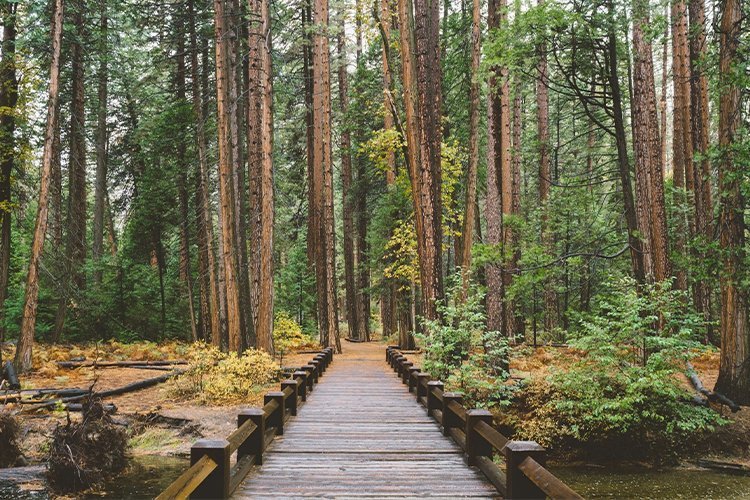
Most nature apps have a few modes—sound ID for birds, photo ID for plants, sometimes insects too. I picked one (bird sound) because it required the least effort. You don’t have to take a perfect photo. You just have to stand still for a moment and let the sound happen.
And honestly, that’s what made it work. It forced me to pause.
How I Do It on a Walk (The Lazy Version)
I don’t run the app the whole time. That would feel like a project and I’d stop doing it. Instead, I use it like a seasoning: a few moments here and there.
If I hear a call that’s loud or repetitive, I stop for 10–15 seconds. I record. I see what the app suggests. Then I put my phone away and keep walking. I don’t chase birds. I don’t hunt for rare finds. I’m not trying to “collect” names. I just like knowing what I’m hearing.
Sometimes it gets it wrong. Sometimes it gives a few possible matches. That’s fine. This isn’t a courtroom. It’s just a tool that makes me pay attention.
What Changed (Immediately)
The first change was that I started listening differently. Before, birds were just background noise—nice, but blurry. After, I noticed patterns. Some birds do short, sharp calls like they’re announcing something. Others do longer, musical runs that sound like they’re practicing. Some only show up in specific spots—near water, near thick hedges, near big trees. Even if you don’t know names, your brain starts mapping the neighborhood in a new way: oh, this is the “loud bird corner.” This is the “quiet path.” This is the place where the sound changes.
The second change was that my walks slowed down naturally. Not because I forced myself to be mindful. Because curiosity slows you down. When you’re curious, you stop rushing. You look up. You wait. You give the environment a chance to show you something.

And that’s the part I didn’t expect to love: the waiting. Ten seconds of stillness feels small, but it breaks the “always moving” mode that most of us live in.
The Fun Part: It Becomes a Little Game
After a few walks, I started having tiny “missions” without planning them. Like: can I identify three different bird calls on this loop? Can I hear something I haven’t heard before? Can I notice whether the same call appears in the same spot each day?
It’s not competitive. It’s not stressful. It’s the kind of game where the reward is just… noticing more of the world you already live in.
And it’s oddly satisfying because it makes your neighborhood feel less flat. A street isn’t just a street anymore. It’s also a habitat with its own sound map.
A Few Honest Notes (So You Don’t Get Annoyed)
Sometimes the app won’t pick up the sound clearly. Sometimes there’s too much traffic. Sometimes wind ruins the recording. Sometimes you’ll get a result and still feel unsure. That’s normal. The point isn’t perfect accuracy. The point is attention.
Also, if you start trying to “win” at it—collecting names, chasing rare IDs—you can ruin it fast. This works best when it stays light. A small add-on to a walk, not a new identity.
Final Verdict
If you want a nature habit that feels modern, easy, and kind of addictive in a calm way, try using a single ID feature on a walk—bird sound, plant photo, whatever fits your area. Don’t run it nonstop. Use it in short moments. Let it turn your walk into a tiny treasure hunt.
You don’t need to become an expert. You just need to pause long enough to hear what’s already there. And once you do, it’s hard to go back to walking with your brain completely elsewhere.
Keep reading
 Nature
The Winter Walk That Made My Street Feel Alive Again
Evan · · 6 min
 Nature
The Puddle I Would’ve Normally Ignored
Evan · · 5 min
 Nature
 Nature
0 comments
Be the first to comment.