The Gut-Health Shift I Didn’t Expect to Matter This Much
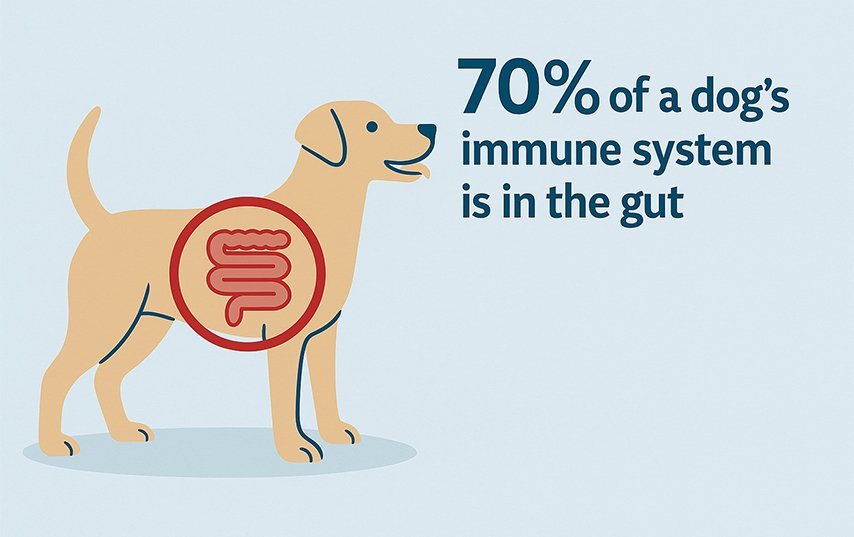
I used to think my dog’s stomach was either “fine” or “not fine.” Like a light switch. Either he ate, went on with his day, and everything was normal… or he had one of those random off-days where you’re suddenly watching his poop like you’re studying for an exam. What changed for me wasn’t a …
 Evan
6 min read
Evan
6 min read
I used to think my dog’s stomach was either “fine” or “not fine.” Like a light switch. Either he ate, went on with his day, and everything was normal… or he had one of those random off-days where you’re suddenly watching his poop like you’re studying for an exam.
What changed for me wasn’t a dramatic health scare. It was the accumulation of small, annoying patterns: a little gassier than usual, occasional soft stools that came and went, a “meh” appetite some mornings, and that vague sense that his energy wasn’t as steady as it used to be. Nothing that screamed emergency. Just enough to make me think, Okay… something’s a bit off, even if it’s not a crisis.
Around the same time, I kept seeing more talk about pet “microbiomes” and gut health—at first it sounded like one more pet-parent trend. But the more I read from veterinary and animal-health sources, the more it sounded… boringly logical: the gut isn’t only about digestion. It’s tied to immune function and overall wellbeing, and when it’s off, you often see “random” issues that don’t seem connected at first.
So I tried a gut-health reset in the least dramatic way possible. No full diet overhaul overnight. No “20 supplements” situation. Just a small, careful change—something I could actually stick to.
What I Changed (Without Turning It Into a Project)
The first thing I did was stop chasing “perfect” and aim for “consistent.” I picked one approach and gave it enough time to be meaningful.
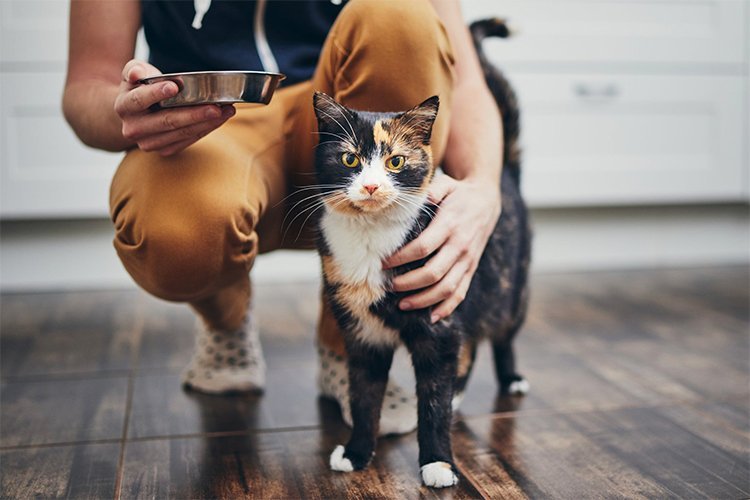
1) I started with a probiotic—slowly.
I’m saying this carefully because there’s a lot of marketing around probiotics. But the basic idea is simple: probiotics are meant to support a healthy balance of gut microbes. Veterinary sources commonly describe them as helpful for supporting “desirable intestinal microbial balance,” and they’re often discussed in the context of digestive upsets and stress-related tummy issues.
I didn’t dump a huge amount into his bowl on day one. I introduced it gradually and watched for any changes (good or bad). That part matters because even “helpful” things can cause mild short-term upset for some pets when you switch too fast.
2) I got more boring about his food timing and treats.
This was less glamorous than supplements, but honestly more impactful than I expected. I kept meals at consistent times for a couple weeks and stopped being random with rich treats. If something upset his stomach, I wanted to actually know what it was—so I made the rest of the routine predictable.
3) I paid attention to the basics I used to ignore.
Not in an obsessive way—just in a “noting patterns” way. Appetite. Stool consistency. Energy on walks. If you’ve had a dog, you know how quickly you can tell when something is slightly off, even when everything looks “fine.”
(Quick safety note: if a pet has ongoing diarrhea, blood in stool, vomiting, sudden lethargy, weight loss, or anything that feels urgent, the right move is a vet visit—not DIY experimenting.)
What I Noticed (The Real-Life Version, Not the Sales Pitch)
This wasn’t a “my dog became a superhero” story. It was quieter than that.
The first shift was the boring one: fewer weird stomach moments.
You know the type—random soft stool that disappears the next day, gas that shows up out of nowhere, that occasional “I’m not eating breakfast, don’t ask me questions” mood. Over time, those moments became less frequent. It wasn’t perfect. Just… steadier.
The second shift was energy—especially in the middle of the day.
I didn’t notice this immediately because it wasn’t like he started bouncing off the walls. It was more like he stayed more “even.” Walks felt smoother. He seemed less sluggish after meals. And I realized I’d gotten used to small dips in his day that didn’t need to be normal.
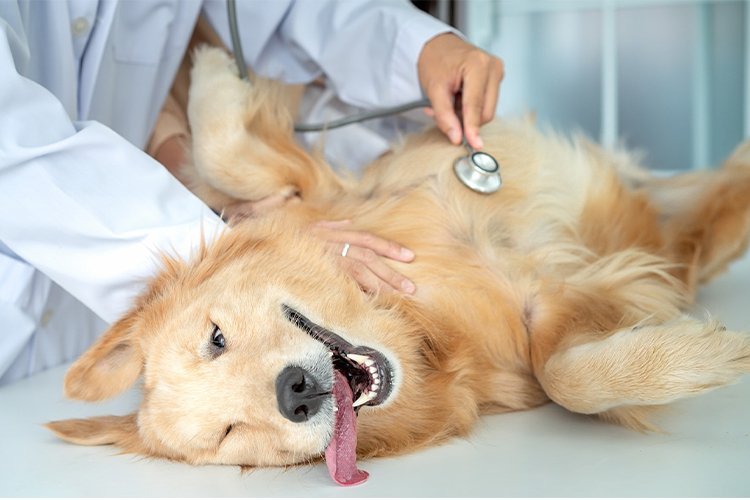
The third shift was coat and skin—subtle, but there.
I’m cautious about over-claiming here because skin and coat can change for a lot of reasons. But I did notice his coat looking a bit healthier over time, and that tracks with the general idea that digestion and nutrient absorption are part of the bigger picture.
And the weirdest part? The whole thing made me calmer too. Not because I became a “biohacker pet parent,” but because I felt like I finally had a simple baseline routine that supported him instead of reacting every time something went slightly wrong.
Why Gut Health Became a Bigger Pet Topic (And Why It’s Not Random)
One reason this has gotten so popular lately is that the pet world is leaning harder into preventive wellness—things that support long-term quality of life, not just crisis management. You see it in how many products focus on digestion, immunity, skin, and joint support.
On the science side, there’s also more discussion (and research reviews) about probiotics in pet food and their potential roles—supporting digestion, stool quality, and immune health—while still acknowledging that results can vary by strain, dose, and the individual pet.
In other words: it’s not magic. It’s not one-size-fits-all. But it’s also not just fluff—there’s a real reason vets and animal health organizations talk about the microbiome as part of whole-body health.
If You Want to Try It, Here’s the Low-Drama Way
I’m not going to do the “here are 10 supplements you need” thing. If anything, my main takeaway is: the simplest version is usually the version you’ll actually keep.
Start small and change one thing at a time. If you change food + add probiotics + add enzymes + add new treats all at once, you won’t know what helped or what upset your dog.
Use your vet as a checkpoint, especially if your dog has health conditions or is on medication. Supplement quality and appropriateness can vary, and pet supplements aren’t regulated the same way prescription meds are.
Give it time. Gut-related changes are often gradual.
If anything gets worse, stop and reassess. (That’s not failure—that’s just listening.)
Final Verdict
This wasn’t a “trend” for me in the end. It was a practical upgrade: fewer random stomach issues, steadier energy, and a routine that felt supportive without being intense. Gut health turned out to be one of those unsexy foundations—like sleep for humans. When it’s off, everything feels a bit harder. When it’s supported, the whole day runs smoother.
Keep reading
 Pet Life
My Dog’s Morning Routine That Made His Joints Feel Better
Evan · · 8 min
 Pet Life
The Food-Bowl Pause That Helped My Dog Stop Inhaling Meals
Evan · · 8 min
 Pet Life
 Pet Life
How I Helped My Cat Stop Hiding When Guests Came Over
Evan · · 7 min
0 comments
Be the first to comment.