The Foam Roller I Bought Just to Try That Turned Into My Everyday Reset

I didn’t buy a foam roller because I was disciplined. I bought it because I was tired of that end-of-day body feeling—tight calves, stiff hips, shoulders that felt like they’d been holding tension all day without permission. It wasn’t pain, not a scary problem, just that constant “why do I feel so stuck?” feeling that …
 Evan
7 min read
Evan
7 min read
I didn’t buy a foam roller because I was disciplined. I bought it because I was tired of that end-of-day body feeling—tight calves, stiff hips, shoulders that felt like they’d been holding tension all day without permission. It wasn’t pain, not a scary problem, just that constant “why do I feel so stuck?” feeling that shows up when you sit, walk, scroll, and live like a normal person.
At first, the foam roller was honestly just another optimistic purchase. The kind of thing you try twice, then it disappears behind a chair. But this time it didn’t. Not because I suddenly became a routine person. It stayed because it solved a very specific problem in a very small amount of time. And once something gives you relief without demanding a whole lifestyle change, you start reaching for it the way you reach for water when you’re thirsty.
What to Buy (5 Products That Are Actually Worth It for Foam Rolling and Recovery)
A medium-density foam roller
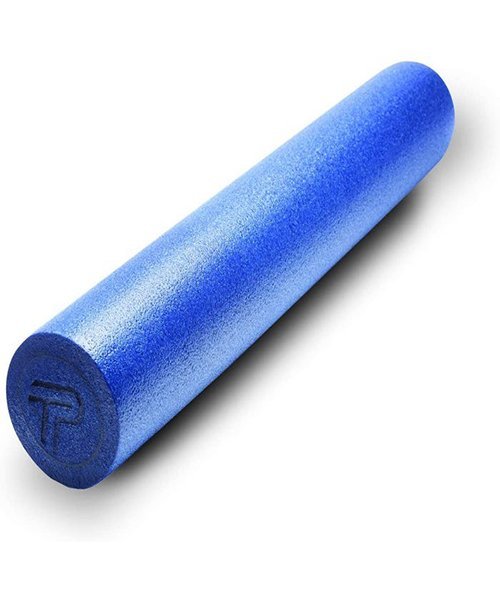
Medium density is the sweet spot for most people: effective without feeling like punishment. Great for legs, back, and general tightness.
A textured roller or massage stick (for targeted spots)
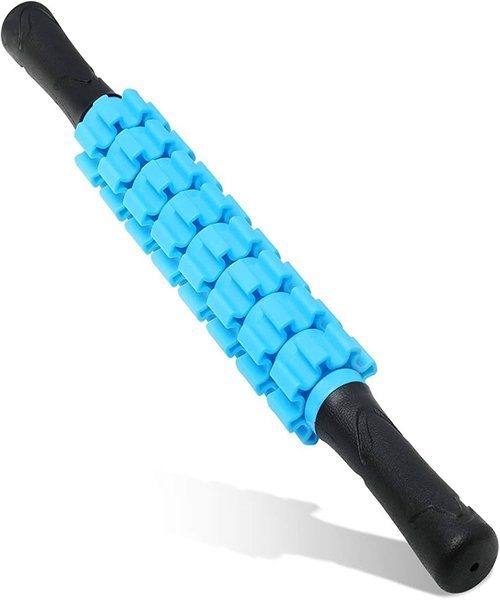
This helps when you want to focus on calves, feet, or specific tight areas without rolling your whole body.
A small lacrosse-style massage ball
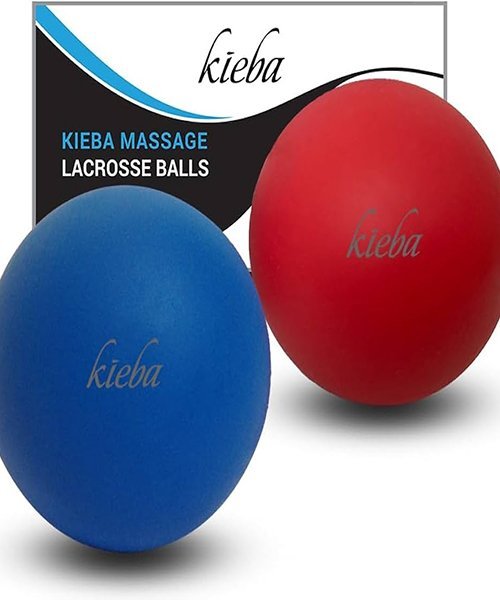
Perfect for glutes, upper back corners, and the spots a roller can’t reach well.
A non-slip exercise mat
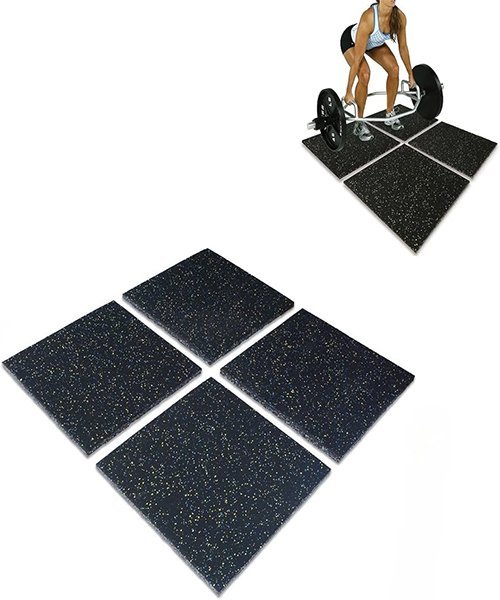
Makes rolling more comfortable and stable, especially on hard floors, and keeps the habit easy to repeat.
A simple heat patch or warming pad
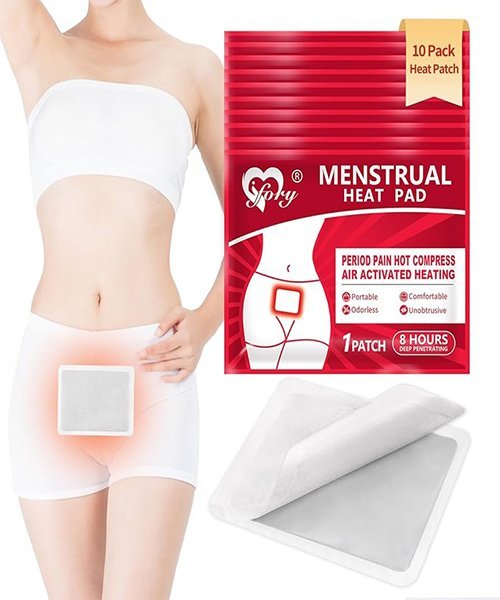
Not mandatory, but great for “wind-down” days—heat + gentle rolling feels like your body finally unclenches.
Why This One Product Worked When “Workouts” Didn’t
The problem with most fitness routines (for me) is that they need a start. You have to decide. You have to commit. You have to “do the thing.” Foam rolling doesn’t feel like that. It feels like a reset. It’s closer to brushing your teeth than starting a workout.
It also has a clear payoff. When you roll a tight area and your body immediately feels less stiff, your brain learns the reward fast. That reward is what makes you come back. Not motivation. Not willpower. Just, “Oh—this helped.”
The Moment It Stopped Being “Gear” and Became a Habit
The habit didn’t start with a plan. It started on a night when my legs felt heavy and my lower back felt tight in that annoying way that makes you shift positions on the couch every two minutes. I rolled my calves for a minute, then my thighs, then my glutes. I stood up and felt slightly different—like my body had more space. Not dramatic. Just… easier.
That was the hook. Because “easier” is addictive.
The next day, I rolled again, but I made one important change: I stopped trying to do a full routine. I did a short, repeatable version—the kind you can do even when you’re tired and not in the mood.
The Simple Rule That Made It Stick
My rule became: foam roll before my evening shower, even if it’s only two minutes. Not after. Before. Because after the shower, I’m done. My brain switches to rest mode. Before the shower, I’m still “up,” and the roller feels like a bridge between the day and the night.
I also kept the foam roller visible. Not tucked away. If it’s out, I use it. If it’s hidden, it becomes a concept.
And I made it non-negotiable in the easiest way: something counts. If I only roll calves and glutes, that’s still the habit. The habit is not “finish a perfect routine.” The habit is “reset stiffness before the day ends.”
What I Actually Do (The Real-Life Version)
I keep it simple, because complicated routines don’t survive weekdays. I roll the areas that tend to hold the most “silent tension”: calves, quads, glutes, and upper back. Not because there’s a perfect science to it, but because those are the places that make me feel stiff when they’re tight.
Most nights look like this: I roll each area for about 30–45 seconds, slowly, and I pause on tight spots for a breath or two. I’m not trying to crush the muscle. I’m trying to convince it to relax.
If one spot feels extra stubborn (glutes love doing this), I use the massage ball instead of forcing the roller into an awkward angle. That ball is the difference between “this is helping” and “why is this impossible?”
On low-energy days, I do the minimum: calves + glutes. That’s it. It takes under three minutes. It still works. It still counts.
The Part That Almost Ruined It
The second something works, my brain wants to upgrade it into a project. Longer sessions. More tools. More rules. Tracking. Perfect sequences. And that’s how good habits die—under the weight of improvement.
I almost turned foam rolling into a 20-minute “recovery routine” with a checklist. Then I remembered what I actually wanted: less stiffness, more ease, and a habit that doesn’t collapse the moment life gets busy.
So I kept it small on purpose. The boring version is the version that lasts.
Dos
Do start with medium density.
If the roller feels brutal, you’ll avoid it. Medium density is effective without making you dread it.
Do attach it to one daily trigger.
Before shower, after brushing teeth, right after work—pick one anchor and let the habit ride on that.
Do roll slowly and breathe.
Fast rolling turns into “getting it over with.” Slow rolling actually creates a reset feeling.
Do use a ball for hard-to-reach spots.
Glutes and upper back corners often respond better to a small ball than forcing the roller.
Do keep it short enough to repeat.
Two minutes you actually do is worth more than a perfect routine you quit.
Don’ts
Don’t treat pain as proof it’s working.
This isn’t supposed to feel like punishment. Discomfort is normal; sharp pain isn’t the goal.
Don’t roll like you’re ironing your body.
Pressing too hard and rushing usually makes you tense more. Gentle and controlled works better long-term.
Don’t hide the roller in a closet.
If you have to “set up,” you’ll delay. Visibility keeps it automatic.
Don’t quit because you missed a day.
Foam rolling works because it’s easy to return to. Miss a day, return the next.
Don’t let it replace movement.
Rolling feels great, but the best combo is rolling + a little daily movement (even just walking).
What Changed (Quietly, Over a Few Weeks)
The biggest change wasn’t that I became “more fit.” The change was that my body stopped feeling so stuck at the end of the day. Standing up from the couch felt easier. My calves stopped feeling like they were permanently tight. My hips felt less cranky after long sitting. And the biggest surprise: my sleep felt smoother on the nights I did it, because my body felt more settled instead of tense.
It also changed how I thought about consistency. I stopped waiting for motivation to exercise perfectly and started focusing on small recovery habits that make movement feel easier the next day. When your body feels better, you move more without forcing it. That’s the kind of cycle that actually lasts.
How This Fits a Coupon/Discount Website Without Feeling Forced
Recovery tools are the kind of thing people want but often delay buying, because it feels like “extra.” The trick is showing that one good, affordable item can solve a daily problem: stiffness, tightness, that end-of-day heavy feeling. Foam rollers, massage balls, mats, and heat pads are also the kind of products people love buying on deals because you don’t need a luxury version—you need a reliable version.
If you’re shopping smart, the best approach is simple: pick your core item first (medium-density roller), then add one targeted tool (ball or stick) if you actually need it. That keeps the cart focused and the habit easy.
Conclusion
This foam roller didn’t turn me into a recovery influencer. It didn’t fix life. It didn’t make me magically flexible. But it did something genuinely useful: it gave my body a small reset that fits into a normal day. No scheduling. No big plan. Just a repeatable habit that makes the end of the day feel less stiff and the next day feel a little easier.
And honestly, that’s the kind of fitness routine that survives—small, practical, and tied to real life.


0 comments
Be the first to comment.