The Battle Pass Fatigue Is Real (And It Changed How I Play Games)
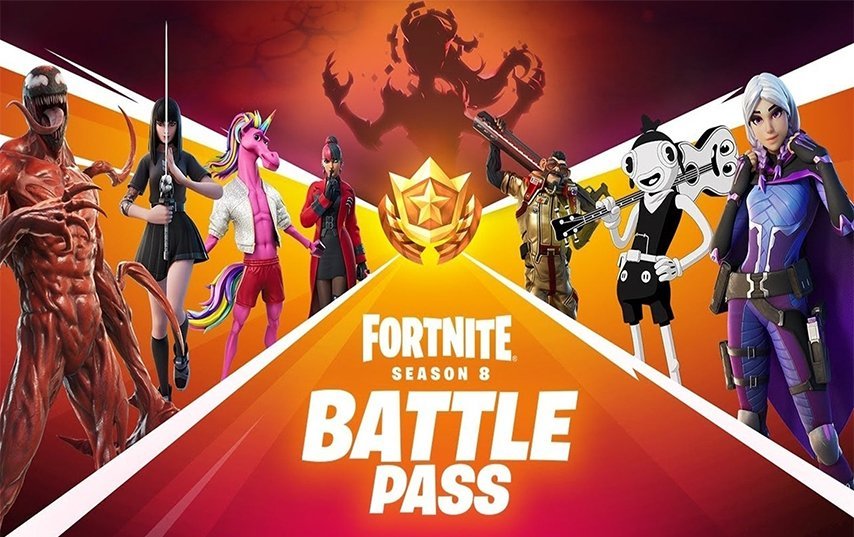
I used to get excited when a new season dropped. New vibe, new cosmetics, new challenges, that fresh “okay, I’m back” feeling. Now my first reaction is usually quieter: a small sigh, a quick scan of the rewards track, and that familiar thought—this is going to take time I don’t really have. It’s not that …
 Evan
5 min read
Evan
5 min read
I used to get excited when a new season dropped. New vibe, new cosmetics, new challenges, that fresh “okay, I’m back” feeling. Now my first reaction is usually quieter: a small sigh, a quick scan of the rewards track, and that familiar thought—this is going to take time I don’t really have. It’s not that I hate battle passes. I’ve bought them. I’ve finished some. I’ve even enjoyed the little progress dopamine when you unlock something right as you’re about to log off. But somewhere along the way, battle passes stopped feeling like “bonus stuff” and started feeling like an obligation. Like homework that follows you into games that used to be my break from homework.
And the weird part is, nobody forces you. That’s what makes it sneaky. It’s optional. But it’s designed to feel emotionally non-optional, especially if you’re the kind of person who hates leaving things unfinished. Battle pass fatigue doesn’t feel like rage. It feels like low-level mental weight. Like you’re playing, but you’re also managing a checklist in the back of your head.
Why It Hits Harder Than People Admit
The biggest reason is time pressure. Not always explicit, but always present. A pass is basically saying: “Here’s a bunch of stuff you can earn… if you show up often enough.” Even if you genuinely enjoy the game, that changes the vibe. Suddenly you’re not just playing because you want to play—you’re playing because you don’t want to waste your purchase, or you don’t want to miss a skin, or you don’t want to fall behind a track that ends on a date. It turns play into maintenance.
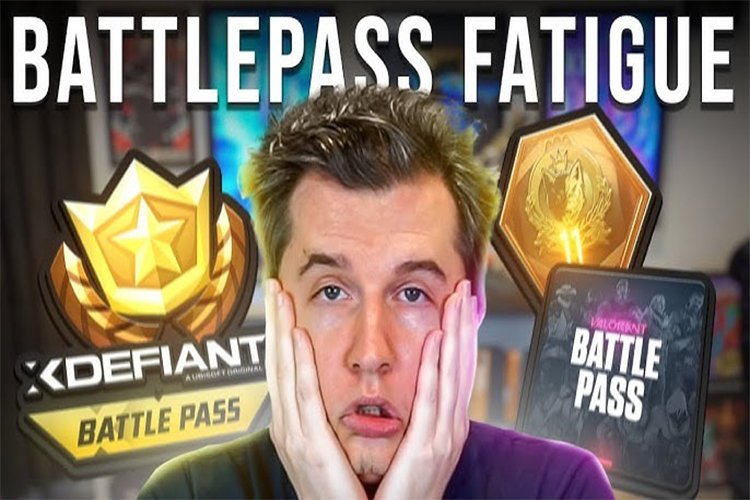
The second reason is how it changes your behavior inside matches. You start making decisions based on challenges, not the match. You chase certain weapons. You queue modes you don’t even like. You play in ways that are slightly unnatural because the pass tells you what to do. And over time, that can create a weird disconnect: you’re spending your gaming time doing tasks you wouldn’t choose if nobody rewarded you for them. It’s like the game slowly becomes a productivity app with better graphics.
The third reason is it affects how “finished” a session feels. You can play well and still log off feeling unsatisfied because you didn’t progress the pass enough. Or you can play badly but feel “productive” because you completed a challenge. That’s a strange trade, and it messes with how people judge whether gaming time was actually enjoyable.
The Balanced Take: Why Battle Passes Exist
I get why they exist. They keep games funded. They keep players engaged. They offer predictable content cycles. And if you’re someone who plays one main game a lot, a pass can feel like a nice bonus—something you’ll complete naturally just by showing up. The problem isn’t the existence of battle passes. The problem is the way they’ve become default, and the way they often stack across multiple games. If you play two or three live-service games, the passes compete for your time like they’re jealous. That’s when it stops being “fun progression” and starts becoming a calendar you didn’t agree to.
Also, some passes are genuinely good. They respect time. They give you meaningful rewards early. They don’t punish you for missing a week. Others are designed to keep you anxious—slow progression, best rewards at the end, heavy daily/weekly pressure. Those are the ones that create fatigue fast, even for players who love the game.
What I Changed (So Games Started Feeling Like Games Again)
I stopped buying passes at the start of a season. That was the first big shift. I used to buy early because I didn’t want to “miss value.” Now I wait. I play first. I see if I’m actually showing up naturally. If I’m still enjoying the game two weeks in and I’ve already progressed a decent amount, then I’ll consider buying. If not, I don’t. Waiting removes that immediate obligation feeling. It also makes the decision feel calmer because you’re buying based on reality, not hype.
Second, I stopped treating pass progression as the goal of a session. My rule became simple: I queue what I want to play, and if challenges complete along the way, fine. If they don’t, I’m not reorganizing my whole evening around a checklist. This one rule improved my enjoyment instantly, because I stopped forcing myself into modes or playstyles that didn’t fit my mood.
Third, I stopped trying to finish every pass. This was the hardest one emotionally. There’s something in gamer brains—especially completionist brains—that hates leaving a track unfinished. But once I left one unfinished and nothing terrible happened, it got easier. The world didn’t end. The game didn’t disappear. My identity didn’t collapse. And suddenly I had more freedom to rotate games without feeling like I was betraying a system.
My Middle Take (The Real Issue Isn’t the Pass—It’s the Pressure Design)
Battle passes could be fine if they were designed around respect: respect for time, respect for breaks, respect for people who don’t play daily. The fatigue comes from design choices that lean on urgency and fear of missing out. The “log in every day” energy. The best reward being at the end. The weekly tasks that expire. The progress rate that feels intentionally slow unless you grind. That design doesn’t just keep players engaged—it keeps them tense.
And when gaming starts making you tense, you start associating your favorite game with obligation instead of joy. That’s when you lose players long-term, even if short-term engagement looks great.
Final Verdict (And a Question for You)
Battle pass fatigue is real because it changes the emotional meaning of play. It turns “I feel like gaming” into “I should game so I don’t fall behind.” And once that shift happens, even a great game can start feeling heavy. My fix wasn’t quitting games—it was changing how I interact with passes: wait before buying, play what I actually want, and accept that finishing everything isn’t the point.
Question: do battle passes motivate you to play more, or do they make you want to play less once the season grind starts feeling like a job?
Keep reading
 Gamers
The Match That Fixed My “One More Game” Problem
Evan · · 6 min
 Gamers
 Gamers
 Gamers
The Review I Wish I’d Read Before Buying Into the Hype
Evan · · 6 min
0 comments
Be the first to comment.