The After-Dinner Walk Habit I Thought Was Too Basic
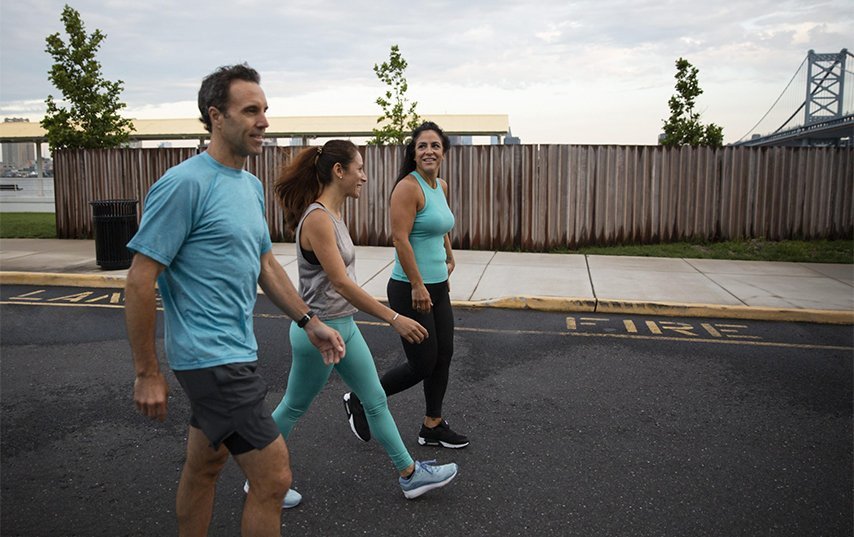
I used to think walking didn’t count. Not in a “walking is useless” way—more in a “walking is what I do anyway, so how can it be fitness?” way. It felt too ordinary to matter. Then I had a phase where my evenings felt… stuck. Not sad. Not dramatic. Just stuck. The kind of stuck …
 Evan
6 min read
Evan
6 min read
I used to think walking didn’t count. Not in a “walking is useless” way—more in a “walking is what I do anyway, so how can it be fitness?” way. It felt too ordinary to matter. Then I had a phase where my evenings felt… stuck. Not sad. Not dramatic. Just stuck. The kind of stuck where you sit down after dinner and your body quietly decides it’s done for the day, even though your brain is still awake and clicking around.
That’s when the after-dinner walk happened. Not as a plan. More like a small accident that turned into a habit.
The Evening Feeling I Didn’t Know How to Fix
I didn’t notice it right away, because it didn’t look like a “problem.” It looked like normal life. Dinner would end, I’d sit down “for a minute,” and then the night would disappear. Not because I was lazy—because sitting down is powerful. It’s like a button that tells your body: we are done now.
The weird part was I wasn’t even relaxed. I’d be sitting, scrolling, watching something, and still feel restless—like my brain wanted to move on but my body had already checked out. And I kept telling myself, Tomorrow I’ll be more active. Tomorrow is a very supportive friend. Always encouraging. Rarely helpful.

When Walking Started Feeling Like a Real Tool
This wasn’t a motivational turning point. It was more like: I couldn’t stand the feeling of being stuck in the same spot. So I put my shoes on and went outside. That was it. No tracker. No goal. No “let’s become a runner.” Just shoes and air.
The first walk was honestly boring. I walked around the block and didn’t feel powerful or athletic. I felt like someone who forgot something and is wandering around trying to remember what it was. But I also felt lighter—not in a weight-loss way, more in a nervous-system way. Like my body needed movement the way a room needs ventilation. I came back and realized I could actually focus again. I wasn’t magically productive and I wasn’t suddenly a new person, but the restlessness dropped. That surprised me enough to try it again the next day.
The One Rule That Made It Stick
I didn’t make it complicated, because complication is how I ruin things. So I made one rule: it has to be after dinner. Not morning. Not “whenever I feel like it.” After dinner, because dinner is a real-life anchor. It happens almost every day, it’s predictable, and it already exists in the routine.
It also had to be short. If I told myself I had to walk for 45 minutes, I’d never start. So I aimed for short. Sometimes 10 minutes. Sometimes around the block. Sometimes I turned back early because I wasn’t feeling it. The walk wasn’t allowed to become heavy. It also had to feel normal—no intense pace, no performance, no trying to prove anything. Just walking like a person walking. If I got sweaty, fine. If I didn’t, also fine.
What Made Starting Easy
I didn’t download a plan. I didn’t set up a challenge. I didn’t buy gear. I just did a few small things that made starting easier. Shoes stayed visible, because if my shoes were tucked away, I’d delay. If they were easy to grab, walking felt more likely. It sounds silly, but it’s real.
I also picked a default route. A route that requires no thinking. No decision fatigue, no debating, no planning. I can walk it on autopilot. Sometimes I change it, but I don’t need to. And I didn’t use the walk to “earn” anything. That mattered more than I expected. The second I framed it like, I need to walk because I ate, it would turn into punishment, and punishment routines don’t last. So I framed it differently: the walk is how I transition out of the day, not how I pay for dinner.
The Part That Almost Ruined It
Of course my brain tried to ruin it, because when something works, my brain gets ambitious. I had the thought: maybe I should track steps, track distance, keep a streak. Then I remembered how I feel about streaks. The moment I break one, I get dramatic and quit. So I didn’t.
I also had the “let’s make it harder” thought. What if I jog a little? What if I turn this into cardio? And honestly, maybe one day. But right now, I didn’t want harder. I wanted repeatable. Repeatable beats harder. So I kept it as a walk. No upgrades. No pressure. Just the boring version. The boring version is the one that survives.
What Changed Over Time
This is the part people don’t like because it isn’t dramatic, but it’s real. That heavy couch effect didn’t fully disappear, but it softened. I could sit down after dinner and still feel like I had a second part of my day left, instead of one long slide into “done.”
My sleep timing got less messy. I’m not saying the walk fixed my sleep. But I noticed I wasn’t staying wired as late. The day felt more closed, like my body had a clearer transition. My mood also got slightly more stable—not happy all the time, not calm all the time, just less of that weird restless feeling that comes from being still for too long.

The Unexpected Side Effect
The walk started changing other tiny things without me trying. I started sitting less aggressively. Not like I became a standing-desk person. More like I didn’t collapse into the couch as hard. I stayed a little more upright, like my body didn’t feel as desperate to switch off.
Food cravings got less chaotic too, which surprised me. I used to want random snacks right after dinner, not because I was hungry, but because I needed “something.” Walking gave my brain something else. Not always. But often enough to notice. And the next day felt slightly easier. Subtle, but real. Waking up didn’t feel as heavy, like my body wasn’t collecting stiffness overnight as much.
Conclusion
I used to dismiss walking because it felt too basic. Now I treat the after-dinner walk like a reset button for my evening. It didn’t turn me into a fitness influencer. It didn’t fix my life. It didn’t make every day perfect. But it did something useful: it removed friction, gave my body a simple transition, and made movement feel normal again.
And honestly, normal is the goal. Because the routines that look “basic” are often the ones that stick long enough to actually change things.


0 comments
Be the first to comment.