Smart Home in 2026: The “Matter Era” Is Finally Feeling Real

For years, smart home upgrades had the same hidden cost: decision fatigue. You’d buy a bulb, then realize it only played nicely with one app. You’d add a camera, then find out it wanted its own ecosystem. You’d pick a lock, then spend the next week reading forum threads like you were studying for a …
 Evan
6 min read
Evan
6 min read
For years, smart home upgrades had the same hidden cost: decision fatigue. You’d buy a bulb, then realize it only played nicely with one app. You’d add a camera, then find out it wanted its own ecosystem. You’d pick a lock, then spend the next week reading forum threads like you were studying for a certification you never asked for. And even when it worked, it always felt a little fragile—like one router hiccup could turn your “smart” home into a house full of confused devices. Lately though, something has shifted. The smart home world still isn’t perfect, but it’s starting to feel less like a hobby and more like… normal home stuff you can actually live with.
The Trend Snapshot: What’s Hot Right Now
1) “Works with everything” is finally becoming the selling point
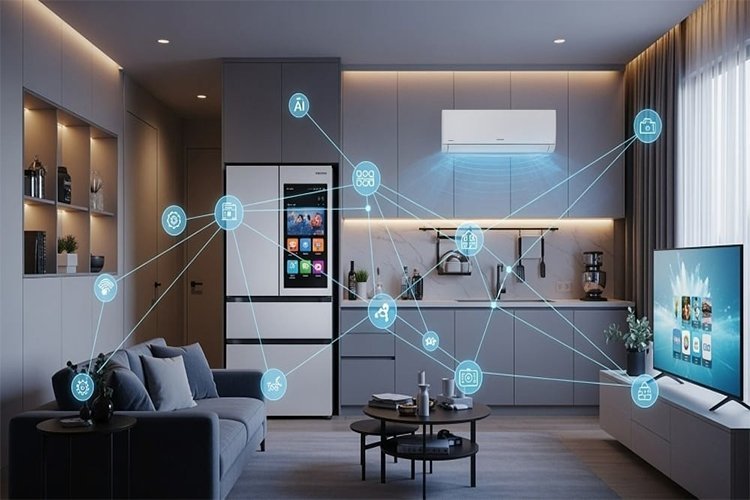
The biggest vibe change is that people are tired of choosing sides. They don’t want a house that only works if you commit to one assistant, one brand, one app forever. The smart home conversation has moved from “look what I automated” to “please don’t make me babysit this.” That’s why compatibility is showing up everywhere in product positioning. People want devices that can connect without drama, and they want the freedom to mix brands without their home turning into a tech support ticket.
2) Lighting is still the gateway drug, but now it’s about feel, not features
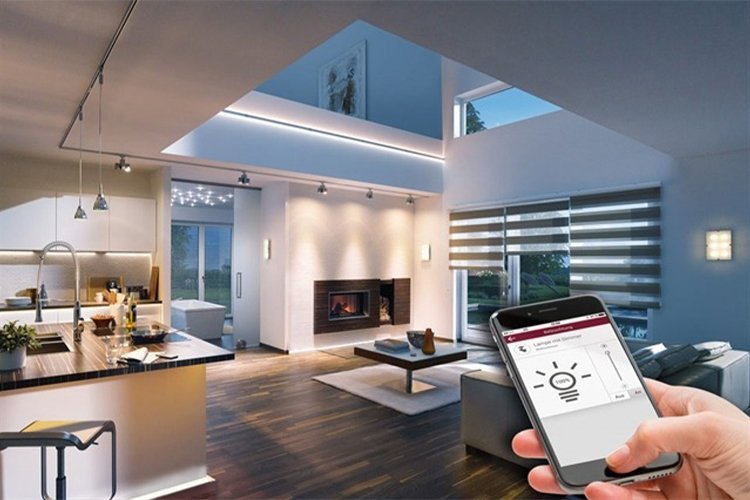
Smart bulbs used to be about gimmicks: flashy colors, party modes, “look, it changes with music.” That still exists, but the more mature trend is lighting as comfort. People are using smart lighting for the boring wins: warm tones at night, gentle morning brightness, one-tap “movie mode,” and motion-triggered hallway lights that don’t blind you. The focus isn’t “smart.” It’s “my home feels calmer.” If it takes five taps to get there, nobody keeps it. If it’s one tap or automatic, it becomes part of daily life.
3) Locks and doorbells are getting more mainstream, mostly because routines are changing
More deliveries, more shared households, more rentals, more people coming and going—smart entry devices are becoming practical. The trend isn’t that everyone suddenly wants a futuristic door. It’s that people want fewer awkward moments: letting someone in without rushing home, knowing a package arrived, not hiding keys, not doing the “did I lock it?” anxiety spiral. The products that win here aren’t the ones with the most features. They’re the ones that feel reliable and quick, and don’t punish you with constant battery alerts and flaky notifications.
4) Cameras are shifting from “security theater” to “useful awareness”
A few years ago, the smart camera boom was driven by fear and novelty. Now it’s becoming more situational: parents checking on sleeping kids, pet owners seeing what’s happening at home, people keeping an eye on deliveries, or just wanting a simple record when something weird happens. The trend is also toward less friction: faster notifications that aren’t spammy, fewer false alerts, easier sharing with household members, and setups that don’t require a weekend of tinkering. People want “quiet confidence,” not a phone that screams at them all day.
5) The real upgrade is the boring stuff: stability, speed, and fewer apps
This is the least exciting trend and also the most important one. Smart home buyers in 2026 are less impressed by novelty and more impressed by reliability. Does it reconnect after Wi-Fi drops? Does it work when the internet is slow? Does it stay synced across household phones? Can a guest use it without a 20-step onboarding ritual? The “smart home” that’s winning right now is the one that feels invisible most of the time—because it simply works.
What People Are Buying Less Of (Or At Least Getting Pickier About)
1) Single-purpose gadgets that create clutter
The era of buying random “smart” widgets just because they exist is fading. People are more cautious about adding devices that need their own app, their own charger, their own updates, and then sit in a corner doing one tiny thing. If a device doesn’t solve a daily problem, it doesn’t survive the first month of excitement.
2) Over-automations that feel clever but fragile
There’s also a pullback from complex automations that only work if everything is perfect. If your routine depends on six devices talking to each other and one of them goes offline, the whole thing collapses. People are choosing simple automations that are hard to break: motion lights, bedtime scenes, temperature schedules, “turn everything off” routines. Less magic, more dependable.
3) Products that demand an ecosystem commitment
Smart home fatigue has made people wary of being trapped. If something only works well inside one brand’s world, buyers are more likely to pause, especially if they’ve been burned before. The appetite is shifting toward flexibility and future-proofing, even if it costs a little more.
The One Surprise Trend: Smart Home Is Becoming “Home Comfort” Content
Here’s the interesting shift: smart home is starting to overlap with wellness and home design. Not in a cheesy way—more in a “how does this space feel?” way. People are talking about lighting as mood, temperature as sleep support, and routines as stress reduction. The smartest homes aren’t the ones with the most gadgets; they’re the ones with fewer friction points. That’s why the products doing best are often the ones you barely notice: lights that fade gently, thermostats that don’t make you fight the room, sensors that stop you from walking into darkness, and small setups that make mornings and evenings smoother.
If You’re Building a Smart Home in 2026, Here’s the Low-Drama Approach
Most people don’t need a “full smart home.” They need a few upgrades that pay rent every day.
Start with one category that improves daily comfort:
- Lighting (scenes + motion in key places)
- Entry (door lock or doorbell for convenience)
- Comfort (temperature scheduling / simple climate control)
Pick one “home base” app/assistant you’ll actually use, then buy devices that fit cleanly into that flow. Add slowly. Live with it. See what annoys you. Then build from there. The best smart home setups don’t grow fast—they grow intentionally, because every device you add is another thing you might have to maintain.
Final Take
Smart home in 2026 is less about showing off and more about settling in. The trend isn’t “more smart.” It’s “less annoying.” Compatibility matters more, reliability matters more, and the products that win are the ones that feel like home upgrades, not tech projects. If you’ve been avoiding smart home because it felt messy, this is the first time in a while where the category is starting to meet regular people where they are: tired, busy, and not interested in troubleshooting their hallway light at 11 PM.


0 comments
Be the first to comment.