I Did a Set-Jetting Weekend — Here’s How to Make It Feel Real, Not Tourist-Trappy
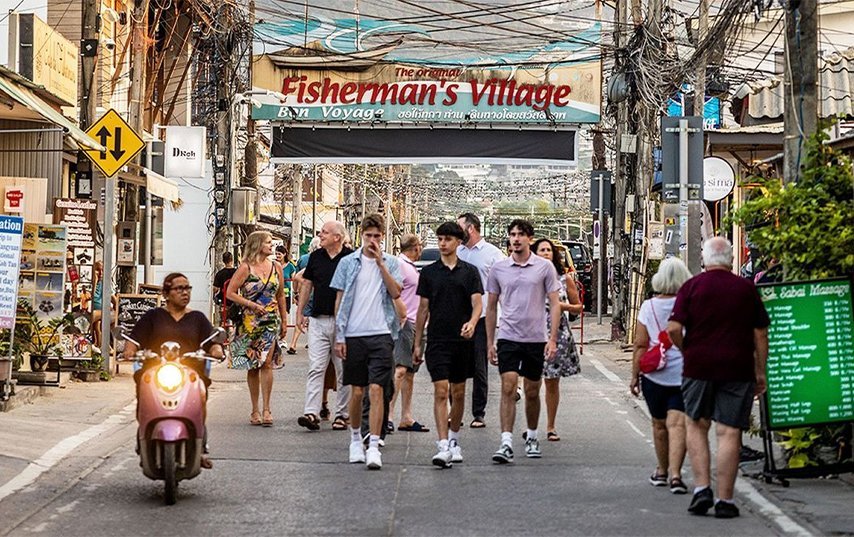
I didn’t go because I thought I’d have a cinematic “walk through the scene” moment. I went because I kept seeing the same location pop up on my screen, and after a while it stops feeling like a place and starts feeling like a dare. You know that feeling—your brain starts saying, I’ve basically been …
 Evan
6 min read
Evan
6 min read
I didn’t go because I thought I’d have a cinematic “walk through the scene” moment. I went because I kept seeing the same location pop up on my screen, and after a while it stops feeling like a place and starts feeling like a dare. You know that feeling—your brain starts saying, I’ve basically been there, even though you absolutely haven’t. So I booked a weekend around a show-location city, fully expecting it to be either magical or mildly embarrassing. It turned out to be neither. It was actually… fun. But only after I stopped treating it like a checklist and started treating it like a neighborhood with a story.
Why Set-Jetting Can Feel Weird (And How I Avoided That)
The problem with set-jetting isn’t the idea. The idea is fine. The problem is what people do with it: they arrive, run to one famous frame, take a photo at the exact angle, buy a souvenir, and leave without learning anything about the place they just used as a backdrop. And then the trip feels oddly hollow—like you traveled for a screenshot. I didn’t want that. I wanted the fun of “I recognize this” without the emptiness of “I only came for this.”
So I made one rule: the location is the hook, not the whole trip. The show gets me there, but the place is what I’m actually visiting.

How I Planned It (The 70/30 Rule)
I planned the weekend with a simple split: 30% show-specific, 70% real-city. That meant I picked only a few locations that genuinely mattered to me (not every single spot people list online), and then I built the rest of the time around the parts that make a city feel alive: food, walking routes, local shops, parks, and small “in-between” streets where nothing famous happened but everything feels real.
This one decision fixed the vibe immediately. Because once the show locations stop being the whole point, you stop feeling like you’re chasing a trend.
The Three Moves That Made It Not Tourist-Trappy
This is where set-jetting gets good—when you do it like a person, not like a scavenger hunt.
1) I went early (but not “punishing early”)
Show locations attract crowds, and crowds turn everything into a performance. I didn’t want to fight for angles or wait behind 30 people reenacting the same scene. So I aimed for early morning—when the city still feels like it belongs to the people who live there. It was quieter, the light was nicer, and I could actually stand there long enough to notice details instead of speed-walking in embarrassment.
2) I picked “one scene” per area, not ten scenes in one day
I didn’t bounce across the city like a taxi meter. If three filming spots were near each other, I grouped them and treated it like a neighborhood walk. Then I stayed in that area for lunch, coffee, wandering, whatever. This sounds small, but it changes the entire mood. You stop traveling between locations and start experiencing a place.
3) I did one non-show anchor every day
This is the trick that stops the trip from feeling shallow. Every day I chose one anchor that had nothing to do with the show: a local market, a museum, a waterfront walk, a bookshop street, a small hike, a food place locals actually love, anything that gave the day substance. The show locations became moments inside the day, not the day itself.
What the Weekend Looked Like (Without Being Over-Planned)

Day 1 — Arrival + One Iconic Spot
Day one is always messy if you let it be, so I kept it gentle. I checked in, did a short walk to get oriented, then visited one iconic location at a calm time—no rush, no pressure to “get the shot,” just enough to feel that little “wait, I’ve seen this” thrill. After that, I did the most underrated thing: I stayed nearby and ate a normal meal in the area instead of immediately leaving. That one choice made the location feel like part of a neighborhood, not a stage.
Day 2 — Neighborhood Day (The Best Set-Jetting Day, Honestly)
This was the day I planned properly: I chose one neighborhood that had multiple filming spots and explored it slowly. I walked between locations, but I didn’t treat them like targets. I let myself get distracted by side streets, random cafés, small stores, local parks, and anything that felt like real life happening around the “famous” corners. I took photos, sure, but I didn’t force myself to recreate scenes. The goal wasn’t to prove I was there. The goal was to enjoy being there. Later, I did my non-show anchor—something cultural and grounding (museum/market/waterfront/food crawl)—and by the end of the day the trip felt like a real trip, not a fandom errand.
Day 3 — One Last Location + A Soft Exit
On the final day I did one last filming spot that I actually cared about, then I exited gently: slow breakfast, one good walk, one small souvenir I’d actually use, and leaving with time to spare. Set-jetting can make people frantic at the end—trying to squeeze in “just one more scene.” I didn’t. A calm ending makes the whole weekend feel better in your memory.

The Little Things That Made It Feel More “Local”
A few small choices helped the trip feel grounded. I walked more than I drove when possible, because walking makes you notice details that don’t exist from a car window. I ate at normal times instead of chasing “famous” places across town, because hunger makes everything stressful and weird. I talked to people casually—baristas, shop owners, anyone—because one real conversation makes a place feel less like a set. I also kept one pocket of the day unplanned, because unplanned time is where travel stops feeling scripted.
The Mistake I Almost Made
I almost ruined it by trying to do too much. I had a moment where I thought, What if I try to hit every location people mention? Then I pictured myself spending the whole weekend staring at maps and running between spots, and I realized: that would turn the city into homework. So I cut the list down. Only the places that genuinely mattered to me stayed. And that’s when the trip stopped feeling cringe and started feeling fun.
Final Verdict
Set-jetting is worth it if you treat it like a travel style, not a mission. The show location can be your reason to go, but it shouldn’t be the only thing you do once you’re there. The best version is simple: pick a few meaningful spots, visit them calmly, build the rest of the day around real neighborhoods, real food, and one solid non-show anchor. If you do it that way, the trip feels like a real weekend away—with a little extra spark—rather than a frantic attempt to stand in the exact right place for a photo.


0 comments
Be the first to comment.