How to Avoid Bank Fees While Traveling
Traveling is one of life’s greatest pleasures, but hidden costs like bank fees can quickly add up and strain your budget. Whether it’s ATM fees, foreign transaction fees, or currency conversion fees, these additional expenses can drain your travel budget if you’re not careful. Fortunately, with a little planning and smart money management, bank fees …
 Evan
5 min read
Evan
5 min read
Traveling is one of life’s greatest pleasures, but hidden costs like bank fees can quickly add up and strain your budget. Whether it’s ATM fees, foreign transaction fees, or currency conversion fees, these additional expenses can drain your travel budget if you’re not careful. Fortunately, with a little planning and smart money management, bank fees while traveling can be minimized or even avoided altogether. Here’s a comprehensive guide to help you keep more money in your pocket while traveling.
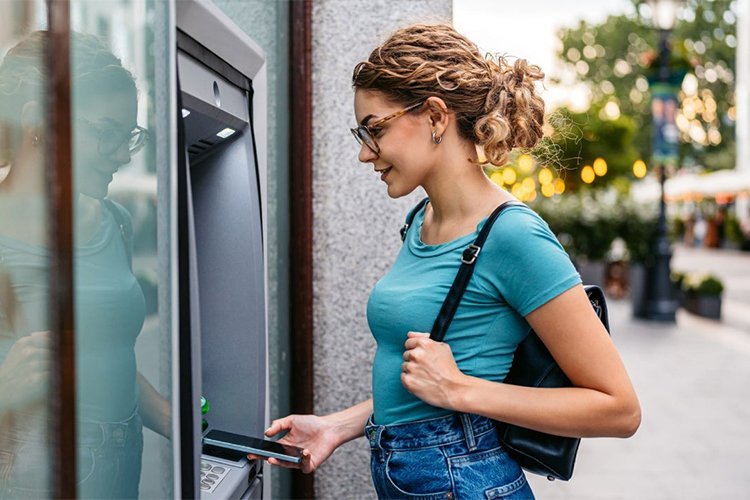
One of the most common causes of additional fees is withdrawing cash abroad. Many ATMs charge a fee for international transactions, often between $3 and $5 per withdrawal. Additionally, your local bank may charge a separate fee for using an ATM outside of your network, which can result in double fees. To avoid this, consider switching to a bank that offers worldwide ATM fee reimbursements. Some banks offer worldwide ATM fee reimbursements, allowing you to withdraw cash without additional fees. Examples include Charles Schwab Bank in the US, which offers unlimited ATM fee reimbursements, and certain online-only banks that specialize in frequent travelers.

Another way to avoid ATM fees is to withdraw large amounts of cash at once. While carrying too much cash isn’t always advisable for security reasons, fewer withdrawals can save money in the long run. If you choose this option, keep your cash safe, such as in a money belt or hidden pocket, and keep an eye on your spending to avoid overspending.
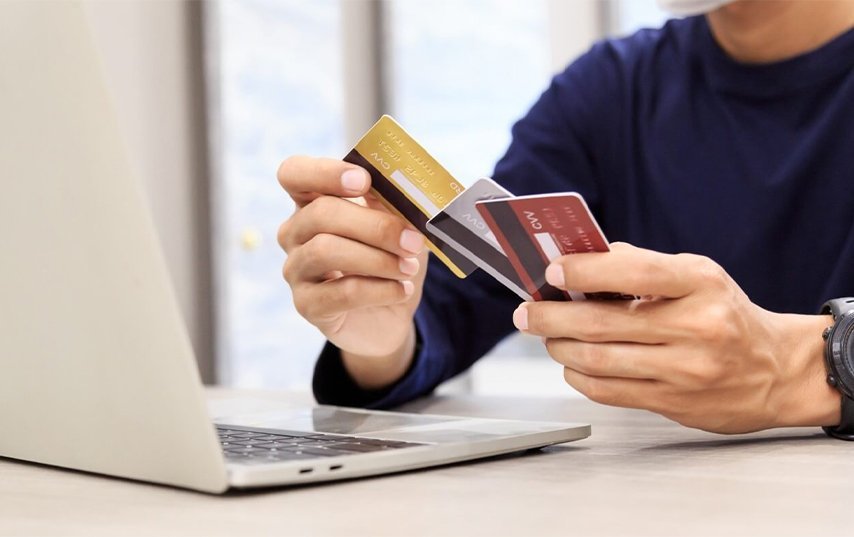
Foreign transaction fees are another common problem for travelers. Many traditional credit and debit cards charge a fee—usually around 3%—for purchases made in foreign currency. Over the course of a trip, these fees can add up, especially with frequent card use. The best way to avoid this is with a credit card with no foreign transaction fees. Many travel credit cards are designed specifically for international use and offer benefits such as travel insurance, reward points, and no foreign transaction fees.
When choosing a travel-friendly credit card, it’s worth looking for one with additional benefits like purchase protection, trip cancellation insurance, and reward points that can be redeemed for flights, hotels, or other travel expenses. Some cards even offer bonus points for travel-related spending, which can help you save even more. However, read the terms and conditions carefully, as some cards have high annual fees that can wipe out savings if you don’t travel frequently.

If you prefer to use your debit card for everyday purchases, look for a bank that doesn’t charge foreign transaction fees on debit transactions. As with travel credit cards, some banks also offer no-fee international debit cards that allow you to shop and withdraw cash without additional charges. Online banks and fintech companies like Revolut, N26, and Wise (formerly TransferWise) are often good choices for fee-free international banking. These digital banks typically offer multi-currency accounts, competitive exchange rates, and low or no fees for international transactions.
Speaking of exchange rates, another way to avoid unnecessary bank fees is to pay attention to currency conversion fees. When using your card abroad, you may have the option to pay in your home currency instead of the local currency. This is called dynamic currency conversion (DCC), and while convenient, it’s usually a bad deal. DCC is often associated with unfavorable exchange rates and hidden fees, so it’s almost always better to pay in the local currency.
To get the best exchange rates when exchanging money, avoid currency exchange booths at airports or tourist areas, as they often offer poor rates and charge high commissions. Instead, use ATMs or exchange money at reputable banks. If you need to exchange cash before your trip, compare the best rates and order foreign currency in advance from your bank, as they may offer better rates than airport kiosks.
Another smart way to avoid bank fees while traveling is to plan ahead and inform your bank of your travel plans. Many banks have fraud detection systems that can flag and block foreign transactions if unauthorized activity is suspected. By letting your bank know where and when you’re traveling, you reduce the risk of card declines abroad. Also, make sure your bank has your up-to-date contact details so they can reach you if anything goes wrong.
It’s also a good idea to carry a backup card in case your primary card is lost, stolen, or compromised. A second card saves you the hassle of being left without access to your funds. Ideally, your backup card should be from a different bank or card issuer (e.g., Visa or Mastercard) to maximize your options. Keep your backup card in a separate, secure location, such as a hotel safe or hidden in a travel bag.
In addition to using fee-free cards and avoiding unnecessary charges, you can also use digital payment apps and mobile wallets. Apps like PayPal, Venmo, and Cash App allow you to send and receive money internationally for low fees. Mobile wallets like Apple Pay and Google Pay offer a convenient, contactless payment method without the need to carry physical cards.
If you’re traveling with friends or family, splitting expenses can also save you on bank fees. For example, if you’re dining out or sharing accommodations, one person can foot the bill, and the others can reimburse you using a fee-free transfer app. This minimizes the number of individual transactions and lowers overall fees.
Finally, it’s important to stay vigilant while traveling and monitor your accounts regularly. Check your statements regularly to keep track of your spending and identify unauthorized withdrawals or suspicious activity. Many banks offer mobile apps that let you manage your accounts on the go, set up transaction alerts, and close your card if necessary. By keeping track of your finances, you can avoid surprises and resolve problems quickly.
Conclusion
Avoiding bank fees while traveling requires some preparation, but the savings can be well worth it. Choose fee-free cards, withdraw cash strategically, avoid dynamic currency conversions, and educate yourself on exchange rates and potential fees. This way, you can keep more of your hard-earned money for the things that really matter to you—whether that’s exploring new destinations, trying local specialties, or having an unforgettable experience. With the right financial tools and a proactive approach, you’ll travel smarter, save on fees, and enjoy your adventure to the fullest.


0 comments
Be the first to comment.