Not because I hate people. I just… didn’t see myself as a “meetup” person. I’m the kind of pet owner who loves my dog deeply, talks to him like he pays rent, and still prefers quiet routines over big social plans.
But then my weeks started feeling repetitive in that weird way where nothing is wrong, yet everything feels a little too same-y. Work, errands, home, repeat. My dog was fine, but I could tell he was getting a little bored too—like our walks were predictable and our world had gotten smaller without us realizing.
And that’s how I ended up at a pet meetup.
Not because I wanted a new hobby. More because I wanted a small change that didn’t require a major lifestyle upgrade.
I didn’t expect it to stick. It stuck.
The Real Reason I Even Went
It wasn’t about making friends. Not at first.
It was about one simple thing: my dog loves other dogs.
He’s not aggressive. He’s not shy. He’s just… social in a way that makes you realize you might be the boring part of his day. He gets excited when he sees other dogs on walks, then looks sad when we keep moving like we’re late for something important.
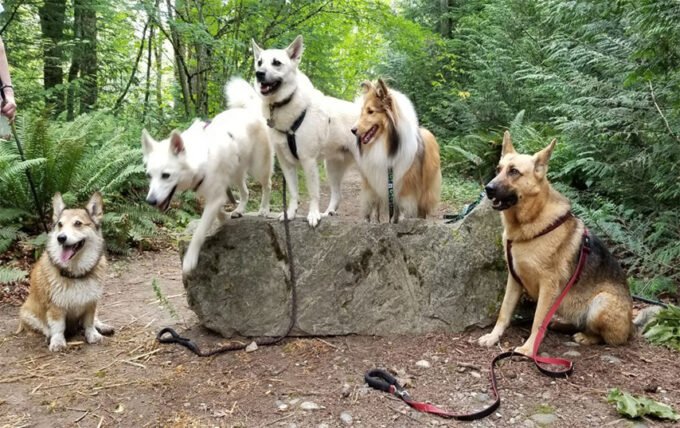
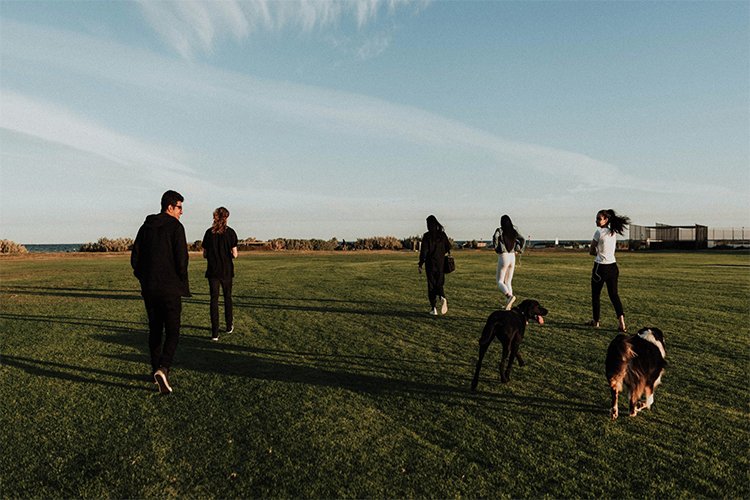
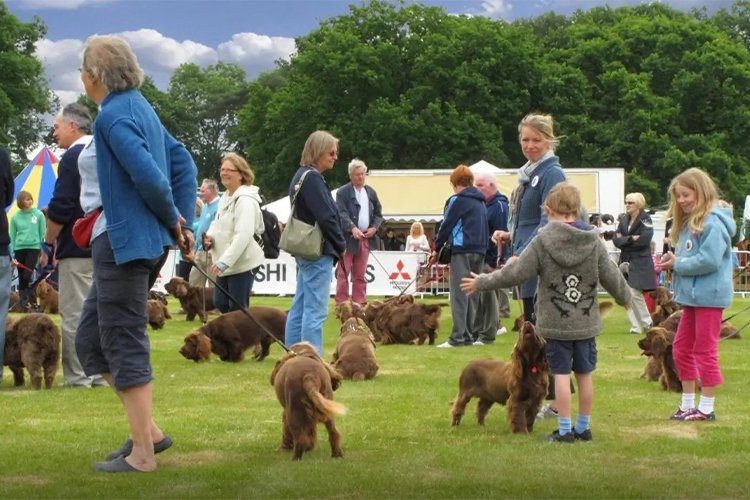
So when I saw that a local group did casual meetups—nothing fancy, just a park walk and some hangout time—I thought: okay, worst case, we leave early. Best case, he has a good time.
That was the whole plan.
The First Meetup Was Not Magical (And That’s Why It Worked)
I expected the first meetup to feel awkward, because most “new social things” do.
And yes, it was slightly awkward for the first five minutes. I didn’t know where to stand. My dog didn’t know which dog to greet first. I did that thing where you pretend you’re relaxed while your brain is doing a full scan of the situation.
But then something happened that made it feel easier:
Dogs don’t do small talk. They just… start.
They sniff. They circle. They set the tone. And while they’re doing that, humans naturally relax because we’re all focused on the same thing: keeping it calm and friendly.
Within ten minutes, it stopped feeling like “a meetup” and started feeling like… a normal park moment, just with more dogs.
What Actually Made Me Keep Going
It wasn’t one big reason. It was a bunch of small ones that added up.
1) My dog came home calmer
This was the first thing I noticed.
Not tired like he ran a marathon. Calmer like his brain felt satisfied. Social time does that. Sniffing, observing, playing, walking near other dogs—it’s mental stimulation, not just physical exercise.
On meetup days, the rest of the evening felt smoother. Less restless energy. Less “what are we doing now?” vibes.
2) Walks started feeling less repetitive
Regular walks can become autopilot. Same routes, same corners, same pace.
Meetups broke that pattern. Different paths. Different smells. Different distractions. Even if we went to the same park, it felt different because the environment changed.
It made me realize that boredom can happen quietly—for dogs and for people.
3) It gave my week a little anchor
This surprised me.
I’m not someone who needs a packed calendar, but I do better when there’s one small thing to look forward to that isn’t work or errands.
The meetup became that. One consistent moment in the week where I had to get outside and be present—even if my mood was low.
And because my dog was excited about it, I couldn’t talk myself out of it as easily.
4) The “pet parent” conversations were oddly comforting
This wasn’t therapy. It wasn’t deep life sharing.
It was simple stuff:
“What harness is that?”
“How old is yours?”
“Does your dog also do that weird thing with the doorbell?”
“Oh my god, mine too.”
There’s something calming about being around people who understand your daily pet-life realities without you explaining the whole context.
How Pet Meetups Changed My Dog (In Small, Real Ways)
Again—no miracle transformation.
But I did notice a few practical improvements.
1) His social skills got better
He became less intense when greeting other dogs. Not because I trained him into perfection, but because he got more practice being around other dogs in a controlled, calm setting.
He learned the rhythm of greeting, walking, and disengaging when needed.
2) His confidence improved
Some dogs are naturally confident. Others build confidence through repetition and safe exposure.
The meetups gave him a place to exist around other dogs without constant pressure. That kind of neutral exposure makes a difference.
3) He got better at settling after excitement
Before, if he saw other dogs, he’d stay amped up for a long time.
Now, he comes down faster. It’s like his nervous system learned: excitement is okay, and it also ends.
That’s a big deal in everyday life.
The Part That Matters: Meetups Aren’t Only “Dog Social Time”
This is the thing people don’t say out loud.
Sometimes you do pet things for your pet, and then you realize they help you too.
Meetups made me:
get outside more consistently
stop rushing through walks
laugh more (dogs are ridiculous)
feel less isolated in the small routines of the week
It wasn’t about turning into a social butterfly. It was about being around life that felt lighter.
A Few Quiet “Rules” That Made Meetups Actually Enjoyable
I also learned some basic things that made the whole experience smoother.
1) I kept the first few visits short
Leaving early is allowed.
In fact, leaving early is smart. Especially while your dog is still learning the vibe.
2) I didn’t force greetings
If my dog didn’t vibe with a dog, we moved on. No big deal. Same for people.
Meetups work best when the energy stays relaxed, not forced.
3) I watched body language more than I watched “politeness”
Loose bodies, relaxed tails, sniff-and-move-on energy = good.
Stiffness, intense staring, repeated mounting, or a dog that can’t calm down = time for space.
You don’t have to be a trainer to notice when the vibe shifts.
4) I avoided turning it into performance
No “my dog must behave perfectly.” No “I must talk to everyone.”
Just being there is enough.
Final Verdict
Pet meetups became the best part of my week because they didn’t ask for much.
They weren’t expensive. They weren’t complicated. They didn’t require me to become a new person.
They were just a consistent moment where my dog got social time, my week got a little brightness, and routine stopped feeling so repetitive.
If your dog enjoys other dogs—or if you feel like your days are starting to blur together—this is a surprisingly good reset. Not because it changes everything.