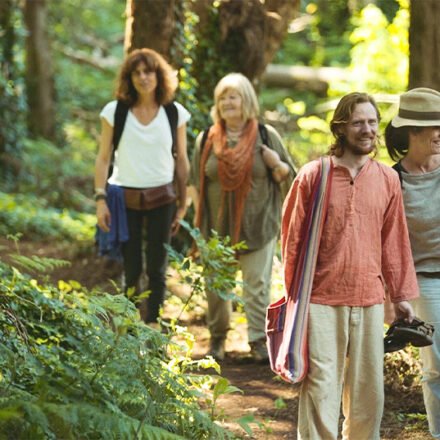
The Quiet Nature Weekend I Took When I Needed My Brain Back
I didn’t book a nature weekend because I was trying to have a “main character moment” or reconnect with my soul or whatever the internet calls it. I booked it because my brain felt stuffed. Like I had a thousand tiny thoughts running in the background, and none of them were doing anything useful. Nothing was wrong in a dramatic way—no emergency, no crisis—but everything felt loud anyway. I’d sit down to relax and somehow feel more tired. I’d scroll and not even enjoy it. I’d keep telling myself, I should take a break, while doing everything except actually taking one. So I chose the simplest option I could: a nearby place with trees, two nights, and one promise—no packed itinerary. I wasn’t trying to “see” nature. I was trying to let my nervous system calm down enough to feel like myself again.
I’ve done trips where you come home needing another break, because the trip itself was basically a marathon—restaurants, reservations, walking nonstop, squeezing everything in, and calling it fun. This time I wanted the opposite. I wanted a place where the default activity is… nothing. Where you can sit outside with a coffee, take a slow walk, eat something simple, and still feel like the day counted. Quiet nature travel can sound boring if you’re used to busy trips, but boredom is kind of the point when your brain has been overstimulated for too long. I also didn’t want expensive or complicated. I wanted close enough that the travel wouldn’t drain the whole weekend, because if the journey feels like work, the reset doesn’t land.
The Three Choices That Made It Feel Like a Real Reset
This weekend only worked because I kept the plan small and made three choices that removed the usual pressure.
1) I picked one “anchor spot,” not ten stops
Instead of hopping between multiple towns, viewpoints, and “must-see” places, I stayed in one area and treated it like a base. Changing locations sounds fun until you’re constantly re-orienting—maps, parking, food decisions, timing, packing up again, checking in again. My brain didn’t need variety. It needed rhythm. One stay, one general set of nearby paths, one grocery/café option, and space to breathe without feeling like I was behind schedule.
2) I planned only two “outdoor windows” per day
This saved me from turning nature into a performance. I didn’t try to hike from sunrise to sunset. I planned one gentle outdoor window late morning and one in the late afternoon—both easy, both optional, both based on how my body felt. That left room for naps, reading, slow meals, and sitting outside doing absolutely nothing without guilt. When you’re mentally tired, a “light walk + long sit” day can be way more restorative than a big hike you force yourself through.
3) I kept the evenings intentionally plain
No “top-rated” restaurant hunt. No nighttime driving chasing vibes. I’d eat something simple—sometimes a local spot, sometimes something easy I picked up earlier—and then let the evening be slow. That mattered because nights are when my brain gets loud. When everything finally stops, my thoughts suddenly show up like they’ve been waiting in a queue. If I filled evenings with plans, I would’ve missed the part where the nervous system actually unwinds.
What the Weekend Actually Looked Like
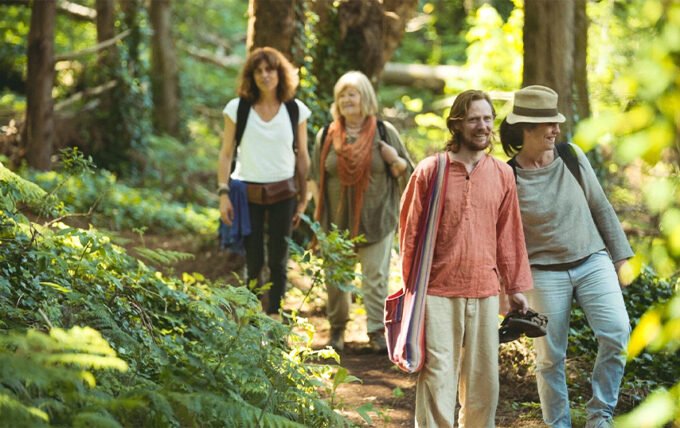
It wasn’t cinematic. It was calm in a very normal, slightly unglamorous way. I woke up without an alarm, made coffee, and sat near a window—or outside if the weather wasn’t being rude. I tried not to grab my phone immediately, not as a productivity thing, just as a kindness to my brain. Then I went for a walk—not a heroic hike, just a real walk. The kind where you stop, look around, sit on a bench, take the long way back, and let your mind wander without forcing it to be useful. I ate when I was hungry, not when the schedule said so. I read a few pages, then stared into the distance like someone in a quiet indie movie. And yes, I napped. I used to feel guilty about napping on trips, but this trip wasn’t about achievement. It was about recovery.
The Small Things That Surprised Me
The first surprise was how quickly my body responded to less input. By day two, my shoulders felt lower, my breathing felt slower, and my brain stopped demanding constant stimulation. The second surprise was how much I started noticing once I wasn’t rushing—wind in trees, the way light changes around sunset, little details you don’t catch when you’re moving like you’re late. The third surprise was my appetite getting more normal. Not in a “diet” way—just in a “my body remembered how to feel hunger properly” way, once I wasn’t running on stress, caffeine, and random snacks.
What I Didn’t Do (And Why That Helped)
I didn’t try to document the trip perfectly. I took a few photos, sure, but I didn’t turn it into content. I didn’t chase every famous spot. I didn’t keep checking reviews to make sure I was doing it “right.” I didn’t turn the weekend into self-improvement. Because the moment you treat a reset trip like a performance, it stops being a reset. The whole point was to feel present, not to prove anything.
If You Want to Plan a Weekend Like This, Here’s the Simple Version
Pick one nature-forward place close enough that the travel day doesn’t drain you. Choose one base (one stay) and commit to not moving around constantly. Plan only two outdoor windows per day, keep them easy, and let the rest of the day be slow. Bring one thing that makes you feel grounded—book, journal, music playlist, even a familiar snack routine—something that feels like comfort. Don’t over-plan food. Keep one or two easy options and let the rest happen naturally. The goal is fewer decisions, not more.
Final Verdict
That weekend didn’t change my life. It didn’t give me a new personality. It didn’t solve everything. But it gave me something I didn’t realize I was missing: mental quiet. The kind of quiet where your brain stops trying to entertain itself, your body stops bracing for the next thing, and you remember what it feels like to just be present. If you’re overloaded and you want a travel reset that actually lands, a quiet nature weekend is underrated—not because it’s exciting, but because it’s gentle. And gentle is sometimes exactly what your nervous system needs.