The Wellness Weekend That Didn’t Feel Like a Doctor Appointment
I used to avoid anything labeled “wellness travel” because it always looked like it came with expectations. Like I’d have to become someone who drinks green juice on purpose and wakes up at sunrise feeling peaceful instead of slightly confused. The internet version of wellness weekends can feel intense—packed schedules, strict routines, and that quiet pressure to “improve yourself” the whole time. I didn’t want improvement. I wanted relief. I wanted to come home feeling less tense, sleeping a little better, and not carrying that low-level stress in my shoulders. So I planned a wellness weekend in the least dramatic way possible—no pressure, no perfection, and definitely no pretending I was on a retreat.
It wasn’t a big health scare that pushed me into it. It was the slow pile-up of small stuff: waking up tired, feeling restless at night, doing too much screen time because I was drained, eating meals too fast, and realizing my body felt tight in places I didn’t even notice until I stopped moving. I didn’t need a transformation. I needed a weekend that could interrupt the loop. And I know myself—if I made the plan strict, I’d fight it. If I made it gentle, I’d actually do it.
How I Planned It (The “Two Anchors” Rule)
I kept the plan almost comically simple: two anchors a day and the rest stays open. One anchor late morning, one anchor in the evening. That’s it. If you plan five “relaxing” things, you end up rushing between them like you’re late for relaxation, and somehow the spa day starts feeling like another job. I didn’t want that. I chose two things my body always responds to: heat (sauna/steam/hot bath/thermal pool or even just a long hot shower) and gentle movement (an easy walk, stretching, or something light that doesn’t turn into a challenge). Everything else—food, rest, wandering—was meant to be slow.
Day 1 — Arrive Softly
Day one wasn’t about doing a lot. Day one was about arriving like a person. I checked in, did a short walk outside to shake off travel stiffness, and ate something simple at a normal pace—nothing fancy, just a meal that didn’t feel rushed. Then I did my first “heat” anchor. If there was a sauna or steam room, great. If not, I used what I had—hot shower, slower skincare, warm towel, and enough time that it didn’t feel like I was doing it in a hurry. That night I did one thing that helped more than I expected: I treated bedtime like part of the trip, not the leftover time after the day. I dimmed things down, put the phone away earlier, and let the night end quietly.
Day 2 — The Reset Day
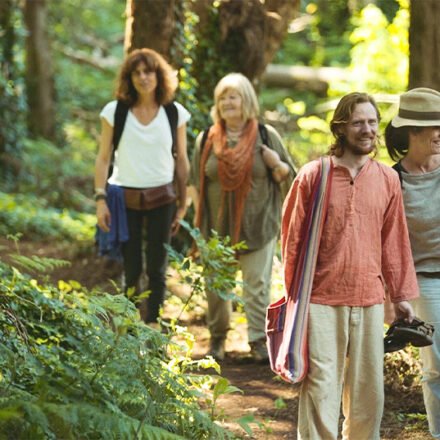
This was the day I could’ve overbooked if I wasn’t careful, because you wake up feeling better and your brain goes, Okay, let’s maximize this. I didn’t. I kept the same rhythm: gentle morning, one slow movement window, a long afternoon with no urgency, and heat again in the evening. The movement wasn’t a hike or a challenge—just a calm walk somewhere pretty, with stops whenever I felt like it. After that, I let the afternoon stay open on purpose, because open space is where your nervous system actually catches up. I read. I sat. I did nothing for a while without trying to justify it. Then I did heat again at night, and it felt even better because my body was already softer and less braced.
What I Focused On (Because It Actually Works)
I kept the weekend built around three basics: heat, walking, and sleep. Heat made my body feel less stiff. Walking gave my brain movement without pressure. Sleep was the real prize—not perfect sleep, just deeper, cleaner rest. I also did one small thing that made a difference in a boring way: I drank water like it was part of the plan, not something I remembered only when I felt gross. Not obsessively—just enough to stay steady through the day.
What I Skipped (So It Didn’t Turn Into a Program)
I skipped anything that makes people quit. No tracking. No step goals. No “eat perfectly” rules. No early alarms to prove discipline. I didn’t book back-to-back treatments. I didn’t chase the “best” version of the weekend. I didn’t try to make it impressive. I also didn’t treat it like a personality upgrade. The whole point was to feel better, not become a new person. The moment you turn wellness into performance, it stops being restful.
What Changed (In the Quiet Ways That Matter)
The changes were subtle, which is how you know they were real. My mornings felt less stiff. My shoulders felt lower. My nights felt calmer—less buzzing, less “brain won’t shut up.” I noticed I wasn’t reaching for my phone as much, not because I made a rule, but because I didn’t need it to distract me. And sleep improved—not magically, but enough that I could feel the difference. When I came home, I didn’t feel like I needed another weekend to recover from the weekend, which is always the sign that you planned it right.
What I’d Do Again
I’d keep the two-anchor rule. I’d keep the day open. I’d choose one cozy place and not move around a lot. I’d keep movement gentle and consistent instead of intense. I’d do heat in the evening and treat nighttime like part of the reset, not the scraps at the end of the day. And I’d keep food simple—meals that support the day instead of meals that leave you heavy and annoyed.
Final Verdict
This weekend didn’t fix stress forever. It didn’t turn me into a wellness person. It didn’t make life perfect. But it did what I needed: it softened my body, quieted my nights, and made me feel steadier. It felt like rest without boredom and structure without pressure. If you want a wellness weekend that doesn’t feel like a doctor appointment, plan it like this: two anchors a day, lots of open space, gentle movement, heat, decent sleep—and absolutely no need to “win” your own trip.