My First “Salvaged Stay” Hotel — Worth It or Just Aesthetic?
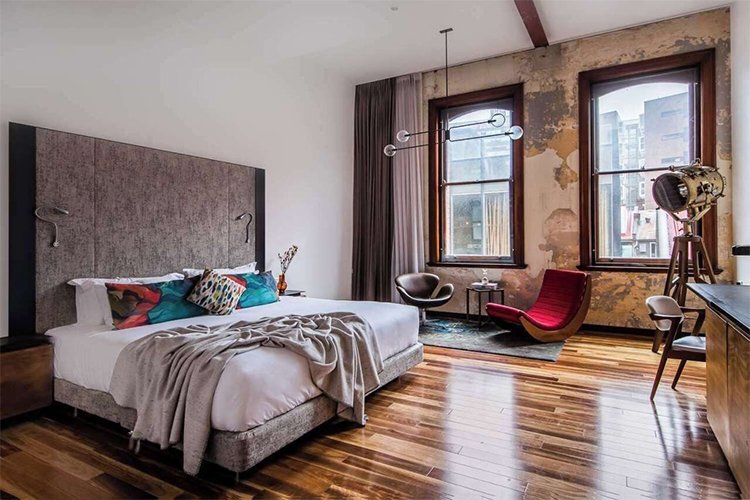
I booked it for the vibe, I’ll admit that up front. The listing photos had that “old building, new life” energy—high ceilings, worn details that looked intentional, soft lighting, and the kind of hallway that makes you slow down because it feels like it’s seen things. I told myself I was booking it because I like “heritage” stays, but the truth is I was curious: would it actually feel good to sleep in, or would it be one of those places that looks incredible and then quietly punishes you with creaky floors, weird temperature, and a shower that takes personal offense to hot water?
That’s what I wanted to find out: is a salvaged stay genuinely worth it, or is it mostly aesthetic with a nice filter?
What a “Salvaged Stay” Feels Like in Real Life
If you’ve never stayed in one, here’s the easiest way to describe it: it feels like a building that used to have a job, and now it has a second life. Sometimes it’s an old factory, a warehouse, a school, a post office, a bank, a station, a historic townhouse—something that wasn’t built to be a hotel, but got reworked into one. And you can usually feel that immediately. The space is laid out differently than modern hotels, the materials feel older in a good way, and there’s often a sense of character that you can’t fake with new construction.
But “character” can mean two things: charming, or inconvenient. Sometimes both.
Why I Wanted This Kind of Stay (Beyond the Photos)
I wanted the hotel to be part of the trip, not just a place where I store my luggage and return exhausted at midnight. On short city trips especially, the hotel matters because it sets the mood of your mornings and nights. A salvaged building can make you feel like you’re living inside the city’s story instead of just visiting it. Also, these places usually sit in neighborhoods with history—walkable areas, older streets, good cafés nearby—because historic buildings tend to be in older, more central parts of town. So even if you’re not trying to be “aesthetic,” the location and atmosphere often make the trip feel richer.
What I Loved (The Parts That Made It Feel Special)
1) The building had a personality you can’t manufacture
This was the biggest win. It didn’t feel like every other hotel room with a different paint color. The textures were real, the corners weren’t perfectly identical, and the space had little details that made it feel lived-in—in a good way. Even small things like original beams, old brick, heavy doors, and weird little nooks made the stay feel memorable without needing entertainment.
2) The quiet “museum energy” at night was calming
Some places just feel calmer at night, and this was one of them. Not silent like creepy-silent—more like the building naturally encouraged slower behavior. I found myself speaking quieter, moving slower, and not automatically grabbing my phone. It felt cozy in a way modern hotels sometimes don’t, because modern hotels can feel like you’re in a neutral box anywhere on earth.
3) The common areas were actually worth using
In normal hotels, I barely care about the lobby. In this one, I genuinely wanted to sit downstairs with a coffee for a while because the space felt warm and interesting. Salvaged stays often do this well: they make the shared areas feel like part of the experience instead of a place you pass through.
What Wasn’t So Cute (The Trade-Offs People Don’t Mention)
1) Temperature can be a personality trait
Old buildings sometimes have moods. One corner is cozy, another corner feels like it’s hosting a winter festival. The room wasn’t miserable, but it did require a little adjusting—figuring out the heater/AC, moving pillows around, opening a window at the right time. If you love perfectly controlled climate, a historic building might test your patience.
2) Sound travels differently
The charm of old floors is real, but so is the sound. You might hear footsteps, doors, hallway movement, even the building settling in its own way. It wasn’t a dealbreaker for me, but it’s something to know. If you’re a very light sleeper, you want to pick your room strategically (more on that below).
3) Layouts can be “unique” in a slightly annoying way
Because the building wasn’t designed as a hotel, rooms can be shaped differently. Sometimes the bathroom is compact, sometimes the closet placement is odd, sometimes the lighting is beautiful but not practical for getting ready fast. Again, not bad—just not as predictable as modern hotels.
How I Would Choose One Next Time (So It’s Worth It, Not Just Pretty)
If you want a salvaged stay to actually feel good, here’s what I’d focus on now:
1) Pick the room, not just the property
Two rooms in the same building can feel completely different. If the hotel offers room descriptions that mention “quiet side,” “courtyard-facing,” or “upper floor,” I take those seriously. The best version of these stays is usually a room that’s a little more insulated from foot traffic.
2) Don’t fall for the “most dramatic room” if you need comfort
The room with the biggest windows and most dramatic beams is tempting, but it might also be the room with the trickiest temperature or the most street noise. If your goal is rest, choose the comfortable option and enjoy the dramatic architecture in the lobby and hallways.
3) Check what kind of building it used to be
This sounds nerdy, but it helps. A converted townhouse or older residential building often feels quieter than a converted warehouse in a nightlife area. A former school might have long corridors and bigger rooms. A former industrial building might have open layouts and stronger echoes. The past life of the building affects the present experience.
Who This Kind of Stay Is Perfect For
If you love travel that feels story-rich, if you like waking up in a place that doesn’t feel copy-pasted, if you enjoy atmosphere and small details, you’ll probably love it. It’s also great if your trip is short and you want the hotel to contribute to the experience instead of being background. And if you enjoy slow mornings—coffee in a lobby that feels like a warm old book—this kind of stay just hits differently.
Who Should Probably Skip It
If you need perfect quiet, perfect temperature control, and predictable modern convenience with no quirks, you might find the charm-to-inconvenience ratio annoying. If you get stressed when things aren’t straightforward (tiny bathrooms, unusual light switches, older plumbing sounds), a salvaged stay might feel like extra mental work. It’s not that it’s bad—it’s just not the “effortless” type of comfort.
The One Thing That Surprised Me Most
The biggest surprise wasn’t the design. It was the mood. The building changed how the trip felt. I was calmer at night, slower in the morning, and more “in the city” even when I was inside. That’s hard to measure, but it’s real. A normal hotel is a base. A salvaged stay is part of the story.
Final Verdict
Was it worth it? For me—yes, because it delivered more than aesthetics. It felt memorable, cozy, and grounded, and it made the trip feel like it had texture even during downtime. But I’d say this: a salvaged stay is only worth it when the charm doesn’t come at the cost of basic comfort. If you choose smart—quiet room, good location, realistic expectations—it’s one of the easiest ways to make a city trip feel richer without adding more activities. And if you’re the kind of traveler who loves places with a past, sleeping inside that past for a night or two can be surprisingly satisfying.