The “Curtains Upgrade” That Makes a Room Look Taller (And Actually Feel Finished)
Curtains are one of those home things that people postpone because they don’t feel urgent. You can live with blinds. You can live with bare windows. You can tell yourself you’ll handle it when you “finally redo the room.” But curtains are often the reason a space never feels complete. They soften the light, bring warmth into the room, and make everything look more intentional without you buying new furniture or changing paint.
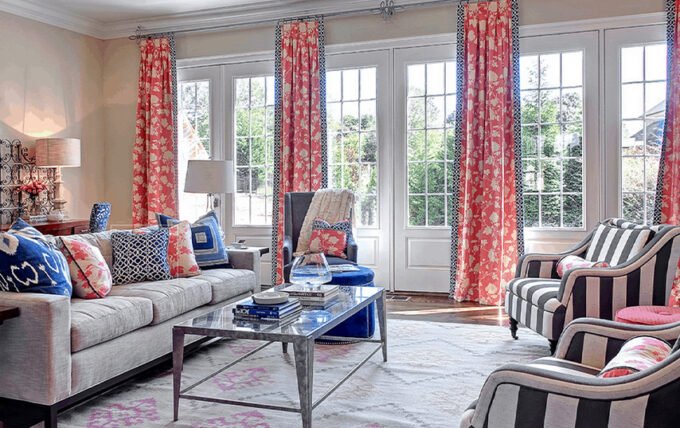
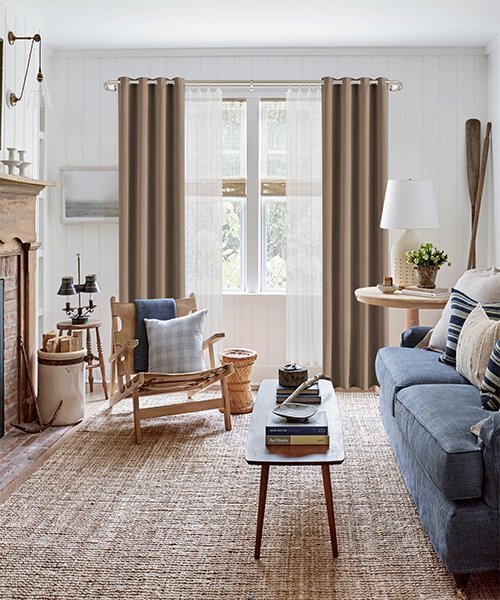
The biggest surprise, though, is the height effect. When curtains are hung well, the room looks taller. Not because anything physically changed, but because your eyes follow the fabric upward and the whole wall starts to feel bigger. It’s a simple upgrade, but it makes the room feel like it has a finished edge instead of a half-done look.
What to Buy (5 Products That Are Actually Worth It for Curtains)
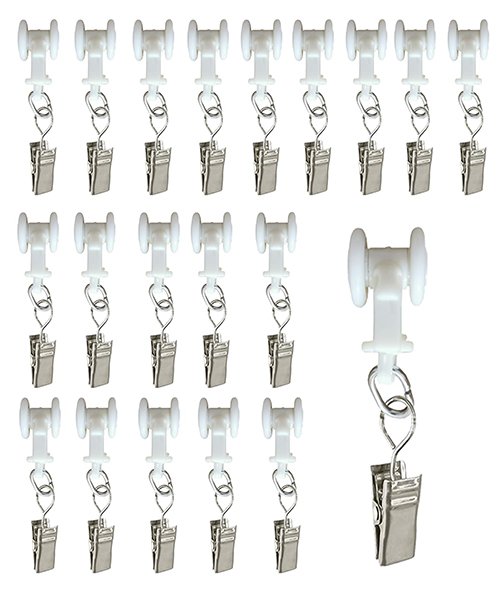
They keep the room feeling open in the daytime and stop curtains from looking messy or bunched up.
Why Curtains Change a Room More Than People Expect
Curtains don’t just cover a window. They change how the room feels. They calm the light so it’s less harsh. They add softness in spaces that are usually full of hard surfaces—walls, floors, screens, tables. And they make the room feel more settled, especially in the evening when bare windows can make a space feel a little stark.
They also affect comfort more than people realize. A room can look “nice” and still feel cold or unfinished if the window area looks bare. Curtains fix that quickly because they add texture and depth in the place your eyes keep returning to.
How to Choose Curtains Without Overthinking
Before you pick a color, decide what you want from the curtains. If this is a bedroom and light bothers you, you’ll be happier with blackout or lined curtains. If it’s a living room and you want daylight without feeling exposed, sheer or semi-sheer layers work beautifully. If the room feels too sharp or echo-y, thicker fabric helps.
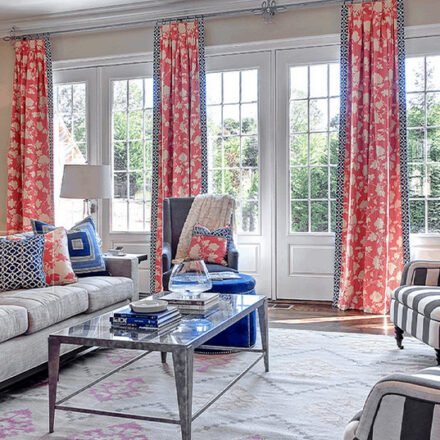
For color, don’t stress about matching everything perfectly. Curtains just need to “agree” with the room. Warm rooms usually look better with warmer neutrals. Cooler rooms can handle cooler neutrals. If your room has a lot of patterns already, keep curtains simpler so the room doesn’t feel busy.
Do and Don’ts
Do
Hang the curtain rod higher than the window: This creates instant height and makes the room feel taller and more “designed,” even if nothing else changes.
Extend the rod wider than the window frame: When curtains sit wider, the window looks larger and the room feels more open instead of squeezed.
Choose panels with enough fullness: Curtains look expensive when they have soft folds; thin, stretched panels look flat and unfinished.
Pick fabric that matches real life: If the room gets dust, cooking smells, pets, or daily traffic, choose fabric you can actually maintain without stress.
Prioritize function first, style second: Blackout for bedrooms, sheers for living rooms, lined curtains for a softer look—when function fits, you’ll love them longer.
Don’t
Hang curtains directly on top of the window frame: This makes the room look shorter and the window look smaller, even if the curtains are beautiful.
Buy curtains that are too short: Short curtains instantly make a space look incomplete, like the room was “almost” finished.
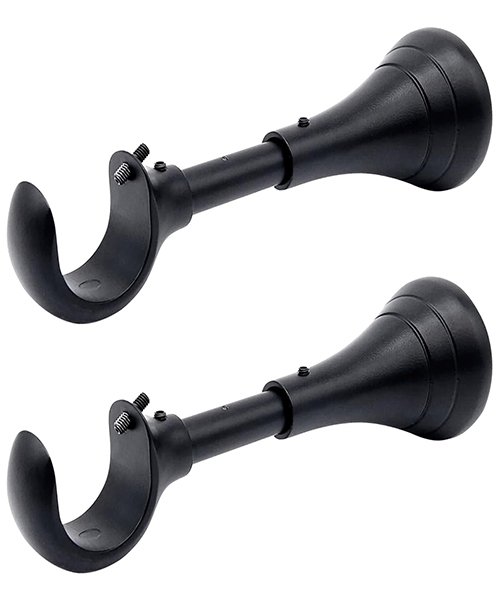
Use a weak or thin rod for heavy fabric: A sagging rod ruins the whole look and makes the setup feel cheap, no matter how nice the panels are.
Choose a color that fights your room’s tone: If your room is warm, icy-gray curtains can feel cold; if your room is cool, overly creamy curtains can look off.
Over-accessorize the setup: Too many decorative extras can turn into clutter; clean panels + a solid rod usually looks more premium.
The Easy “Tall Room” Setup That Works Almost Everywhere
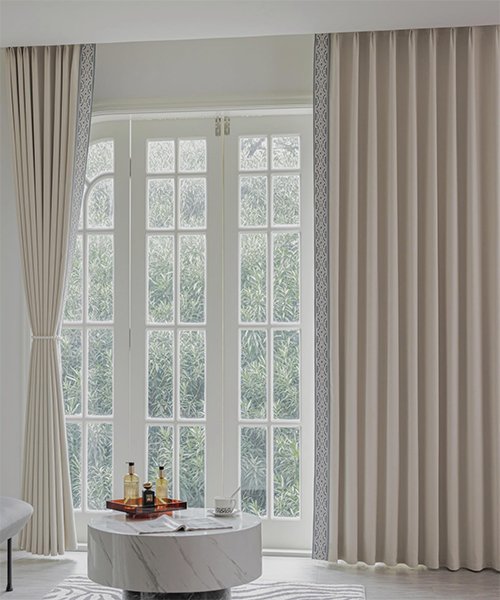
If you want the simplest formula that works in most homes, do this: hang the rod high, make it wider than the window, and use long panels that reach close to the floor. That’s the core upgrade. After that, decide if you want one layer (simple and clean) or two layers (sheer for daytime + blackout for night). A lot of rooms feel “not done” because the curtains are either too low, too narrow, or too short.
Fabric choice can change the mood too. Linen-look textures feel airy and relaxed. Thicker weaves feel cozy and rich. Cotton blends feel clean and easy. You don’t need the most expensive fabric—you need a fabric that drapes well and works with your daily life.
How to Shop Curtains Smart (Perfect for Coupons and Discounts)
Curtains are a great category for deals because you usually need multiple panels, which makes discounts actually matter. The smartest approach is to confirm measurements first, then shop within those measurements. If you buy discounted panels first and try to force them into your space, you often end up buying again.
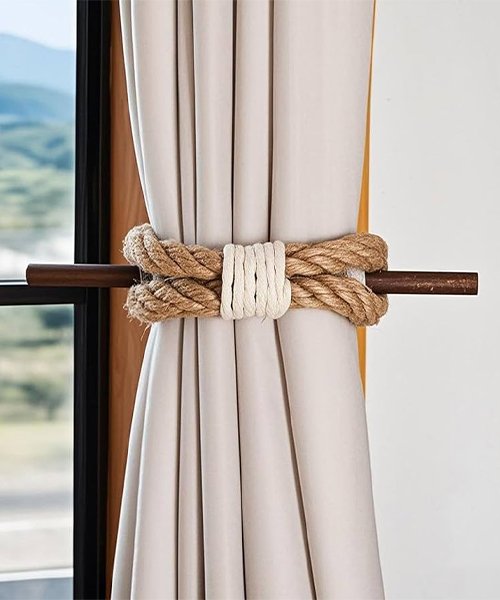
If you want your coupon to make the biggest impact, put it toward curtain panels and a sturdy rod. Those two pieces control how “finished” the curtains look. Rings/gliders and tiebacks are great extras, but the final look is mostly length, width, and how well everything hangs.
Conclusion
Curtains are one of the fastest upgrades that makes a room feel softer, taller, and more complete—without turning into a renovation. Keep the basics right: hang them higher, go wider than the window, and choose fabric that fits your real routine. When those choices are right, the whole room looks calmer and more intentional.