The 10-Minute No Excuses Workout That Worked Because It Wasn’t a Whole Thing
I used to collect workout ideas the way people collect recipes they never cook. I’d save routines, screenshot plans, tell myself I’d start “properly” on Monday, and then real life would show up and the plan would quietly disappear. The problem wasn’t that I didn’t care. The problem was that I kept treating fitness like it needed a full identity shift. A full hour. A perfect mood. A perfect schedule. And if I didn’t have those things, I did nothing.
What finally worked was a workout that was small enough to repeat on a normal day. Ten minutes. Not as a “starter” that I’d upgrade later. Ten minutes as the whole point. Because if something fits into your day without drama, it actually happens—and the thing that actually happens is always the one that wins.
What to Buy (5 Products That Are Actually Worth It for a 10-Minute Home Workout)
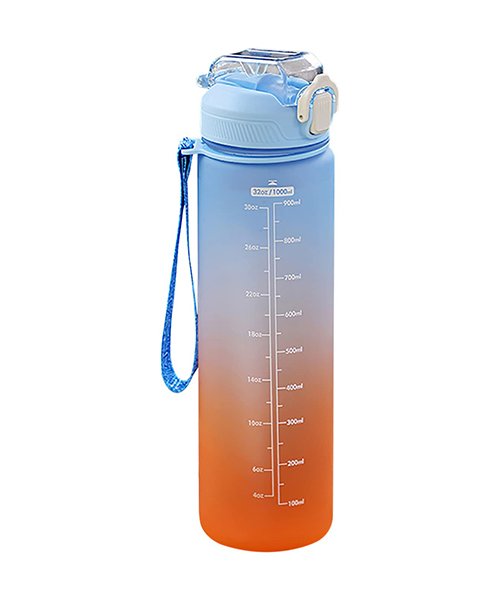
It sounds basic, but if hydration feels easy, your workout feels easier to start and easier to finish.
Why Ten Minutes Was the Sweet Spot
Ten minutes is short enough that your brain doesn’t have time to argue. You don’t need a long warm-up. You don’t need a big “start.” You can do it before a shower, between tasks, or during that weird gap in the day when you’re not doing anything useful but you’re also not fully resting.
Also, ten minutes doesn’t feel like a test. That matters more than people admit. The moment a workout feels like a test, you start avoiding it. Ten minutes feels like a small reset. A practical dose of movement. Something you can do even on days when you don’t feel like being impressive.
The 10-Minute Structure That Doesn’t Require Planning
I didn’t want a workout that needed choices, because choices create delay. So I built a structure that stays the same. The only thing that changes is how hard I push, depending on the day.
The structure is simple: two rounds of five minutes. Each round is a mix of lower body, upper body, and a little core—just enough to feel like your whole body woke up. It’s not a complicated circuit with twenty moves. It’s a small set of basics you can repeat without thinking.
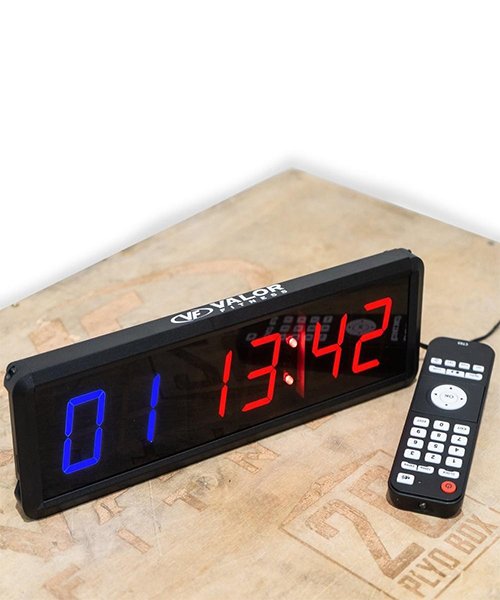
I keep it timed because timing removes negotiation. If you’re counting reps, you start bargaining. If you’re watching a timer, you just move.
What I Actually Do (The Real-Life Version)
I set a timer for ten minutes and treat it like a mini appointment with my body. Then I go through a simple flow that covers the basics.
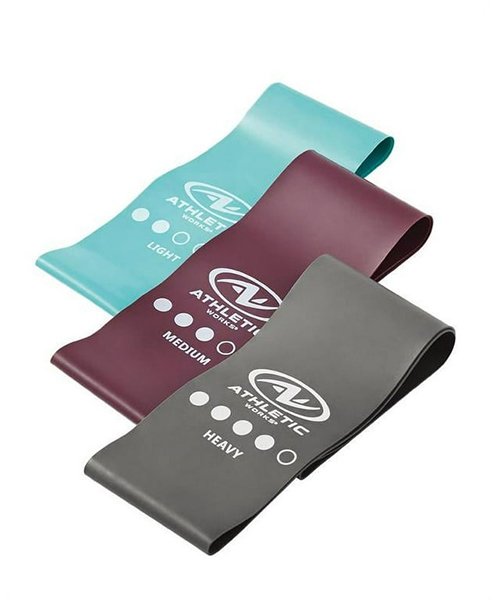
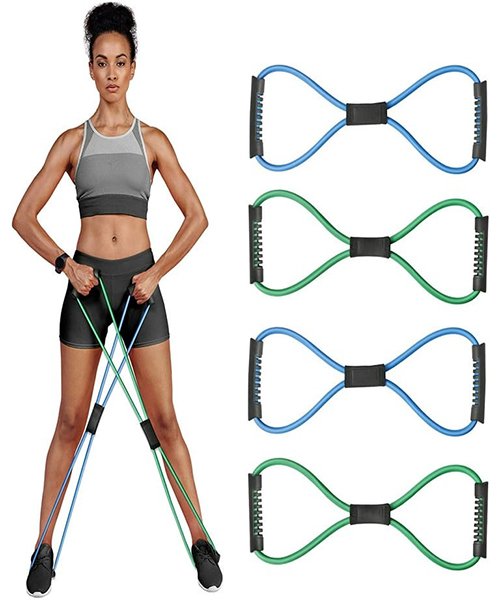
I start with something that wakes up legs without making it dramatic—usually banded squats or bodyweight squats. Then I do a pull or a row with the long band (or a standing band row using a door anchor if I have it). Then I add a small push move—band press or incline push-ups against a counter if I’m feeling low-energy. Then I do a hinge pattern (good mornings with a band or a simple hip hinge) to wake up hips and hamstrings. And I finish with a short core move, usually dead-bug style movement or a simple plank variation that doesn’t wreck my wrists.
On tired days, I slow the pace and keep it gentle. On high-energy days, I move faster. But the structure stays the same, which is why it doesn’t collapse.
The most important part is that I stop when the timer ends. Not because I’m lazy, but because the habit needs to stay light enough that I’ll come back tomorrow.
The Trick That Made It Repeatable
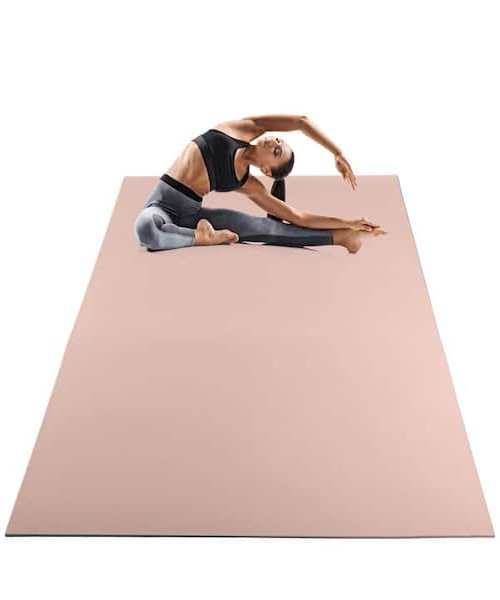
The biggest trick was removing friction. My mat stayed accessible. My bands stayed visible. My timer stayed nearby. The fewer steps between “I should do something” and “I’m doing it,” the more likely it is to happen.
I also stopped trying to make it perfect. Some days my form is great. Some days it’s just fine. The point isn’t perfection—it’s repeating. Because repeating is what changes your body over time, not one perfect session.
Dos
Do keep your equipment visible. If you can’t see it, you forget it exists. Visibility beats motivation.
Do time your workout instead of counting everything. Timing keeps it simple and prevents negotiation.
Do pick moves that feel stable and safe. When moves feel annoying, you’ll avoid the workout.
Do keep it short enough that you’ll repeat it. The best workout is the one you’ll do on a normal day, not a perfect day.
Do finish feeling like you could do a little more. That “I could do more” feeling makes you return. “I’m destroyed” makes you avoid it.
Don’ts
Don’t upgrade it too early. Upgrades add pressure. Pressure kills consistency.
Don’t chase soreness as proof. Soreness is not the goal. Consistency is.
Don’t add too many moves. Too many moves turns it into a project. Keep it boring and repeatable.
Don’t wait for the “right time.” Ten minutes is the right time. That’s the whole point.
Don’t quit because you missed a day. The routine survives because it’s easy to return to, not because you’re perfect.
What Changed (Quietly, Without a Big Before-and-After)
After a couple of weeks, I noticed my day felt less stiff. My legs felt more awake. My posture improved slightly because my back and shoulders were doing something other than hunching over a screen. And my energy felt steadier, not because I became extremely fit, but because my body stopped spending entire days in one position.
The biggest shift was mental. Movement stopped feeling like a huge decision. It became normal. And when movement becomes normal, it becomes easier to add other habits—walks, stretching, better sleep—without forcing it.
How This Fits a Coupon/Discount Website Naturally
Ten-minute workouts are perfect for people who want fitness without gym commitment, which means home-friendly products fit naturally. Bands, mats, timers, and simple hydration tools are all easy to shop on discounts and easy to use immediately. And because this routine is built on basics, you don’t need expensive gear—just reliable basics that remove friction.
If you want to shop smart, start with one band set and a mat. That’s enough to build a consistent routine. Everything else is optional add-on, not a requirement.
Conclusion
This ten-minute routine worked because it didn’t ask me to become a different person. It didn’t demand a perfect schedule or a perfect mood. It was small, repeatable, and simple enough to survive real life. If you’re stuck in the “all or nothing” loop, ten minutes is the fastest way out—because it’s long enough to matter and short enough to actually happen.