The Recovery-First Fitness Shift That Finally Made Me Consistent
I used to think the only workouts that “counted” were the ones that felt intense. The sweaty ones. The ones that made you feel like you earned something. And for a while, that mindset kind of worked—until it didn’t. Because intensity is easy to do when life is calm. It’s much harder when you’re busy, tired, or just not feeling like turning your day into a performance.
What changed everything for me wasn’t a new workout plan. It was a different priority: recovery first. Not in a lazy way. In a smart way. I stopped treating recovery like a reward you get after training, and started treating it like the foundation that makes training possible in the first place.
What to Buy (5 Products That Are Actually Worth It for Recovery-First Fitness)
This isn’t “fitness gear,” but better sleep quality is the biggest recovery tool most people ignore.
Why I Had to Stop Chasing “Harder”
I wasn’t failing because I was lazy. I was failing because my routine was built on a fragile idea: that I would always have enough energy to train hard. Real life doesn’t work like that. Some days you’re fine. Some days you’re running on low battery. And if your fitness plan only works on high-battery days, it’s not a plan—it’s a wish.
I also noticed a pattern I didn’t like: when I pushed hard, I’d feel proud… then I’d feel sore and stiff… then I’d skip a few days because everything felt heavy… then I’d feel guilty and try to “make up for it” with another hard session. It was a loop. A dramatic one. And it made consistency feel impossible.
Recovery-first fitness was my way of breaking that loop without quitting movement altogether.
The Rule That Made It Stick
My rule became simple: every day gets a recovery win. Not a workout. A recovery win.
Some days, that recovery win is a real workout followed by a cool-down. Other days, it’s ten minutes of mobility. Other days, it’s rolling my calves and doing a few gentle stretches before bed. The point is: my body gets something that helps it feel better tomorrow.
This rule worked because it didn’t require perfect conditions. I could do it on good days and bad days. And the habit didn’t collapse when I missed a “proper workout,” because recovery still counted.
What I Actually Do (The Real-Life Recovery Routine)
I keep it boring, because boring is repeatable. Most of my recovery routine lives in three moments: after sitting, after training, and before sleep.
After sitting too long, I do a quick reset: stand up, roll shoulders back, take one slow breath, and do a gentle hip hinge or a few bodyweight squats. Not for fitness points—just to remind my body it’s allowed to move.
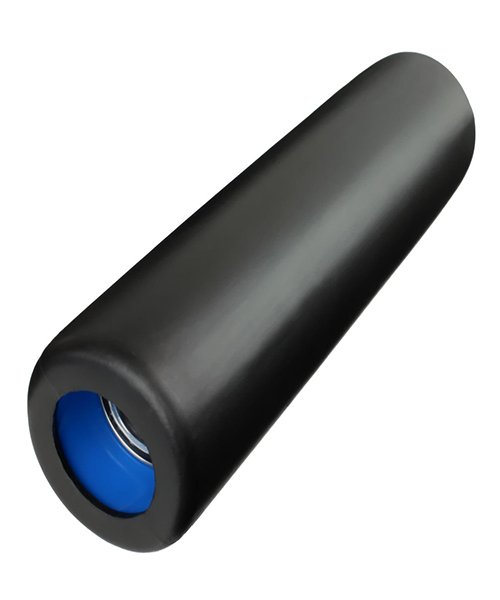
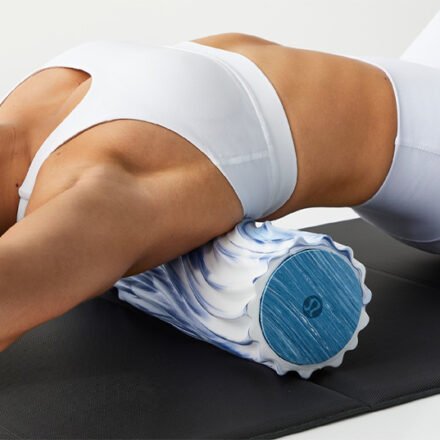
After training (even light training), I do a short cool-down. Nothing fancy. A few minutes of slower movement, then a quick foam roll if my legs feel tight. If I skip the cool-down, I usually feel it later in the day. If I do it, the workout feels like it “lands” better.
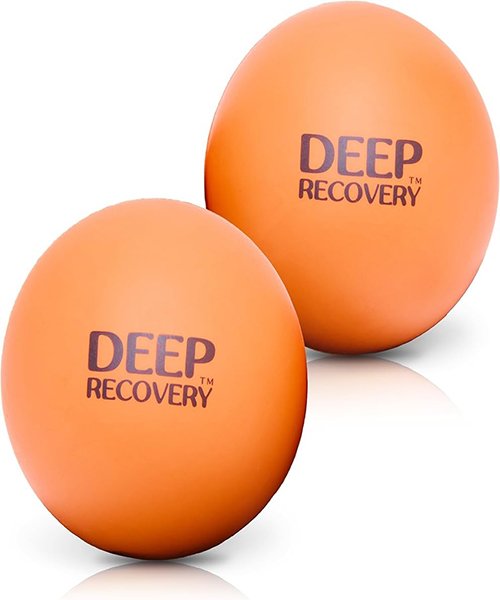
Before sleep, I do the simplest version: foam roller for calves or thighs, massage ball for one tight spot, then a gentle stretch that feels good—not aggressive. The goal is to signal “we’re done” to the body. Not to force flexibility. Just to release the day.
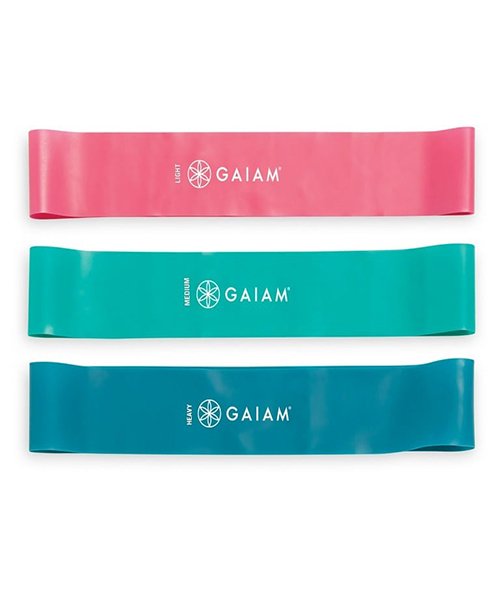
If I’m low energy, I don’t try to push through with intensity. I do mobility and light band work instead—small moves that make my joints feel better and my posture feel less collapsed.
The Part That Almost Ruined It
At first, I made recovery too complicated. I started saving long mobility routines. I started thinking I needed a perfect sequence. And then it became… a project. And projects are where consistency goes to die.
So I simplified it again. Recovery isn’t a performance. It’s a reset. I only kept what I could do without setting up a whole scene. Foam roller on the floor. Massage ball near the couch. Band in a drawer that’s easy to reach. That’s it.
And I stopped trying to “earn” recovery. I used to think recovery was something you deserved only after hard work. Now I treat it like brushing your teeth—something you do because it keeps your whole system running better.
Dos
Do treat recovery as part of training, not a bonus. If you only recover when you have time, you won’t recover often enough.
Do keep recovery tools visible and easy to grab. If you have to search for them, you’ll skip them.
Do keep sessions short on busy days. Five minutes done consistently beats thirty minutes done once a week.
Do focus on the places that always get tight. Most people have repeat offenders—calves, hips, upper back. Start there.
Do use gentle band work to feel “stable” again. Light activation can make the body feel more supported without draining energy.
Don’ts
Don’t turn recovery into another perfection routine. The goal is repeatable, not impressive.
Don’t push through sharp pain. Recovery should feel relieving, not like you’re fighting your body.
Don’t roll aggressively like you’re trying to punish tightness out of your muscles. Slow and controlled works better long-term.
Don’t wait until you’re wrecked to recover. Recovery works best when it’s preventative, not emergency-only.
Don’t treat sleep like it’s optional. If sleep is messy, everything feels harder—including workouts.
What Changed (Quietly, Over Time)
The first thing I noticed was that my body felt less “stuck” day-to-day. Standing up after sitting didn’t feel as creaky. My legs felt less heavy. My shoulders stopped living near my ears as often.
Then I noticed something bigger: I became more consistent without forcing it. Because when your body feels better, movement feels easier. When movement feels easier, you do it more. It’s not motivation. It’s momentum.
I also stopped having the dramatic cycle of “go hard → disappear → restart.” Instead, my routine looked more like real life: some stronger days, some lighter days, but fewer total breaks.
And mentally, it was calmer. Recovery-first fitness removed the pressure to constantly prove something. It made fitness feel like support, not punishment.
How This Fits a Coupon/Discount Website Naturally
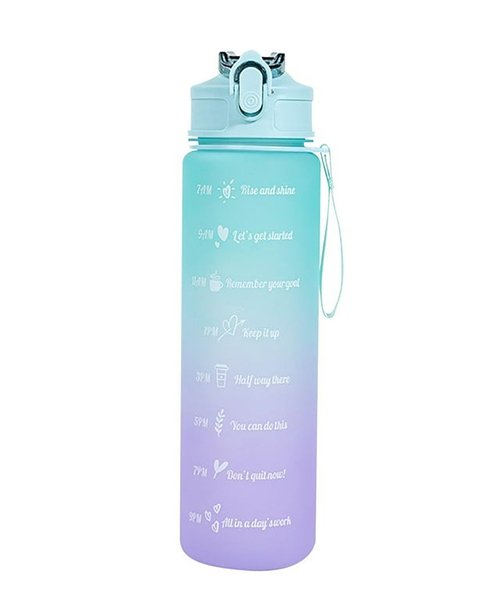
Recovery products are perfect for deal-based shopping because people often want them but delay buying them. They feel like “extras.” But once someone experiences the difference—less stiffness, better sleep, smoother workouts—they start seeing them as basics. Foam rollers, massage balls, bands, and simple sleep comfort upgrades are also easy to use immediately, which makes them satisfying purchases.
If someone is building a recovery-first routine from scratch, the smartest order is: foam roller + massage ball first, then a light band for mobility, then small sleep/hydration upgrades that make everything easier to maintain.
Conclusion
Recovery-first fitness didn’t make me softer. It made me smarter. It gave me a routine that survives real life—busy days, low-energy days, normal days—without collapsing. Instead of chasing intensity and then disappearing, I built a system where my body feels supported enough to keep moving.
If you want consistency, the secret usually isn’t doing more. It’s recovering better—often in small, boring ways that add up quietly over time.