The Rug Upgrade That Quietly Makes a Living Room Look “Done”
I used to think rugs were optional. Like, nice-to-have. Something you add if the floor feels cold or the room looks empty in photos. Then I noticed the pattern that’s hard to unsee: whenever a living room looks pulled together, the rug is usually doing the invisible work. It’s holding the layout in place. It’s softening the room. It’s making the furniture look like it belongs together instead of looking like separate items that accidentally ended up in the same space.
And when a living room feels a little off—even if everything in it is “nice”—the rug is often the reason. Wrong size. Wrong mood. Wrong color temperature. Or just missing.
What to Buy (5 Products That Are Actually Worth It for a Rug Upgrade)
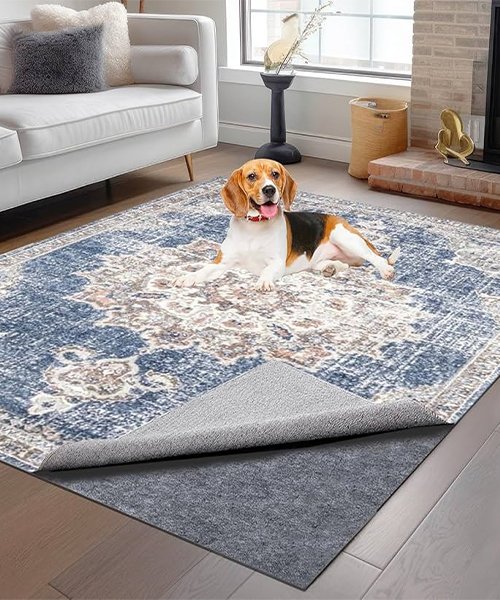
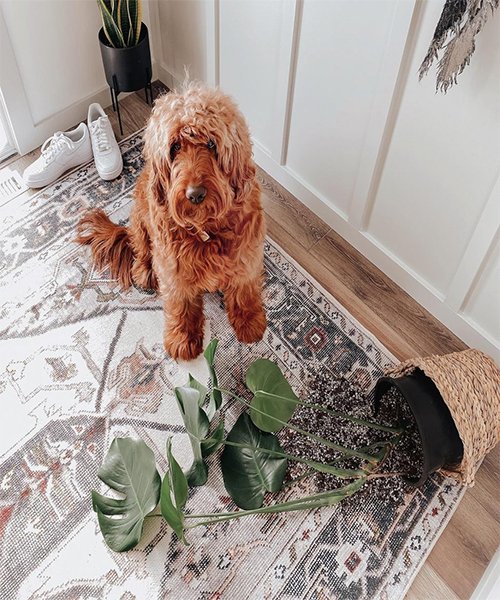
If your living room is high-traffic (kids, pets, guests, snacks), washable turns the rug from “stress item” into “normal life item.”
Why Rugs Change a Room More Than Décor Does
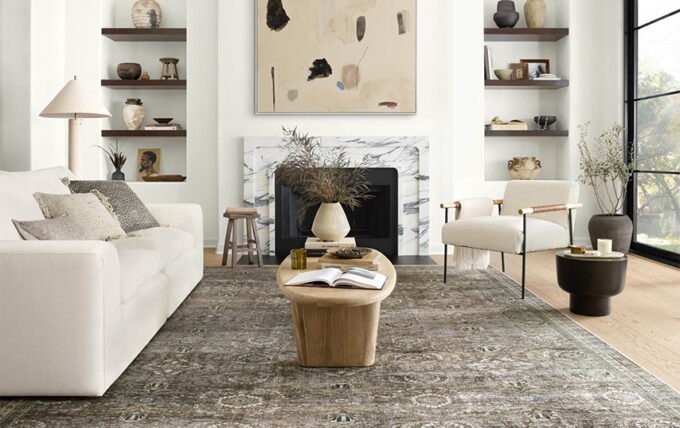
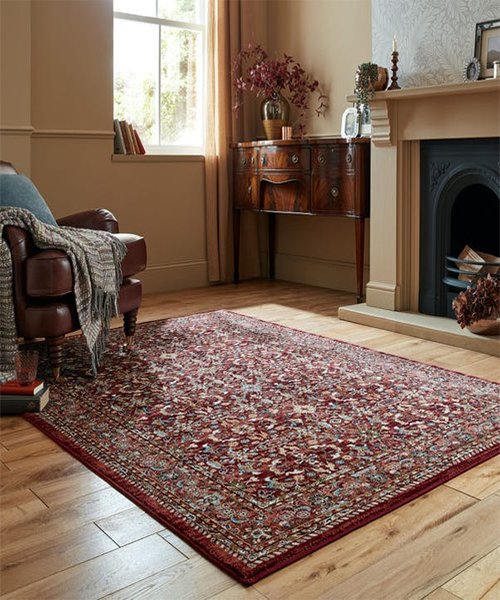
A rug isn’t just a decoration on the floor. It’s the anchor. It tells your brain where the “room” starts and ends. Without a rug, furniture can look like it’s floating. With the right rug, the seating area becomes one clear zone, and the room instantly feels more intentional.
Rugs also do comfort work. They soften sound. They reduce that echo-y feeling. They make the room feel warmer even if the temperature hasn’t changed. And they make the space feel more welcoming at night, which is when living rooms either feel cozy or feel a little bare.
The Two Rug Mistakes That Make a Room Feel Off
The first mistake is the classic one: going too small. People do it because larger rugs feel expensive, so they try to save money by sizing down. But a small rug can make everything look less expensive because the furniture looks disconnected and the layout looks awkward.
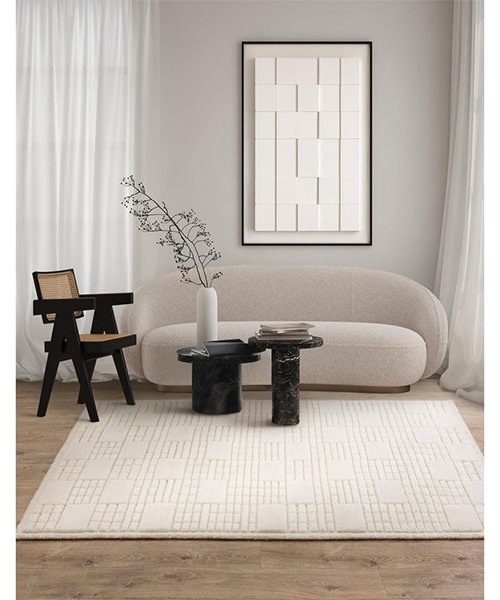
The second mistake is choosing a very light, plain rug for a space that actually gets used. Light solid rugs can look stunning for a day. Then real life shows up and suddenly you’re annoyed every time someone walks across the room. A rug should support your life, not make you feel like you’re guarding the floor.
How to Pick a Rug Without Turning It Into a Big Decision
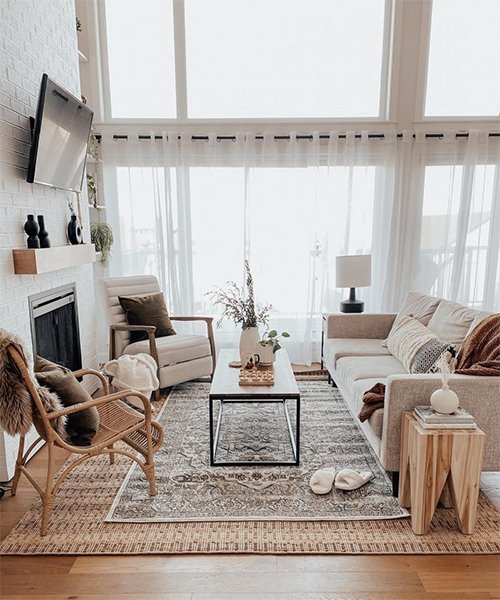
Start with the mood you want. If you want calm and cozy, go with warm neutrals and texture. If you want personality, go patterned. If your room already has strong colors or bold décor, choose a quieter rug so the room doesn’t feel like it’s competing with itself.
Then be honest about traffic. If this room is where people snack, where kids play, where pets nap, where guests sit—choose forgiving. Pattern, texture, or washable usually wins.
And decide your size before you get emotionally attached to a design. It’s easier to find a great rug inside the correct size than it is to force a pretty rug to “work” when it doesn’t fit the room.
The Placement Trick That Makes Any Rug Look More Expensive
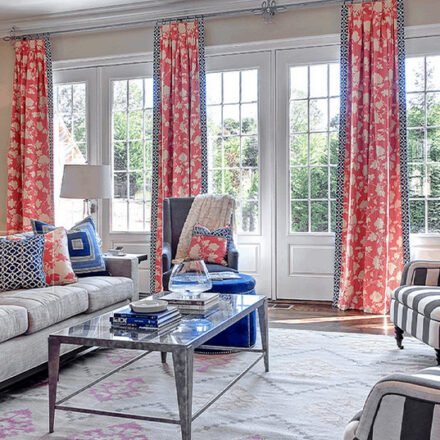
Placement matters as much as the rug itself. The easiest rule is: put at least the front legs of your main furniture on the rug. That one move makes the seating area look like a planned zone instead of separate pieces.
If everything sits off the rug, the room feels scattered. If the rug is so small nothing can touch it, it looks like it was added last minute. Even when you can’t fit every leg on the rug, the front-legs-on rule gives that “designed” look with almost no effort.
Conclusion
A rug upgrade is one of the fastest ways to make a living room look finished because it anchors everything—layout, mood, and comfort. When the rug is the right size, placed correctly, and chosen for real life (not just a perfect photo), the whole room starts looking more intentional without you changing anything else. And since rugs are exactly the kind of item where discounts can save a lot, it’s a smart place to focus your deals for a big visible upgrade.