The “Entryway Drop-Zone Reset” That Makes Your Whole Home Feel Cleaner
I didn’t realize how much my entryway was controlling my mood until I walked in one day and felt instantly annoyed. Not because the house was messy-messy. Just because the first thing I saw was a pile: shoes, a bag, delivery packaging, keys, random receipts, and that one item I keep carrying around because I don’t know where it “belongs.” The entryway is small in most homes, but it has a loud personality. If it’s chaotic, the whole place feels chaotic. If it’s calm, the whole house feels calmer—even if the rest of the rooms aren’t perfect.
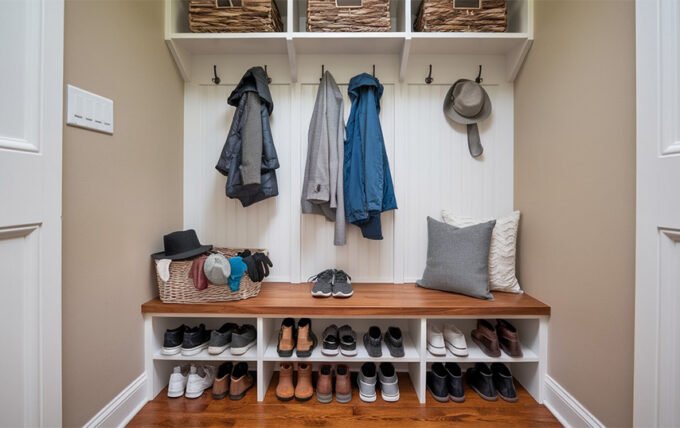
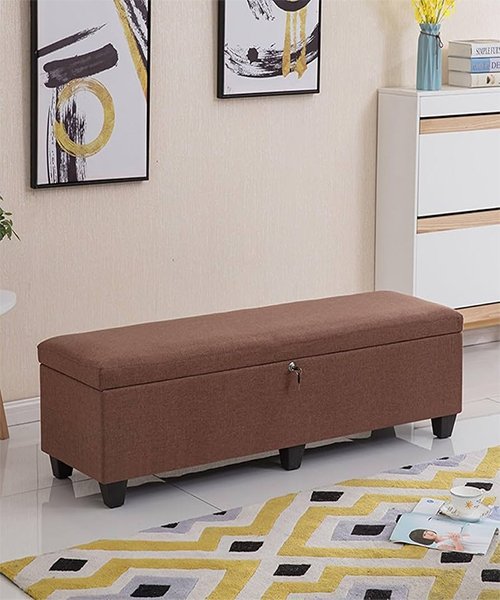
It gives you a place to sit while putting on shoes and quietly swallows the clutter you don’t want to see.
Why the Entryway Gets Messy Even in “Tidy” Homes
Entryways don’t usually get messy because people don’t care. They get messy because the entryway is where life arrives. You come in carrying things, you’re half-thinking about what you just did outside, and you want to put stuff down quickly. If your entryway doesn’t have an obvious “landing system,” your brain creates one. And your brain’s system is usually: drop everything in the closest spot and deal with it later. Later rarely comes.
Another reason it gets messy is because entry clutter is mixed clutter. Shoes are big. Keys are tiny. Bags are awkward. Jackets are floppy. Deliveries are bulky. If all of that lives in one small area with no zones, the space looks chaotic even when there isn’t much there.
The Simple Rule That Fixes Most Entryways
The entryway only needs to do three jobs: hold shoes, hold “carry items,” and hold small essentials. That’s it. Not décor. Not storage for your whole life. Not a mini living room. Just those three jobs.
Once I started treating it like a functional landing area (instead of a random corner that “should look nice”), it became easier to keep it looking nice without trying.
The 3-Zone Layout That Makes It Feel Organized Immediately
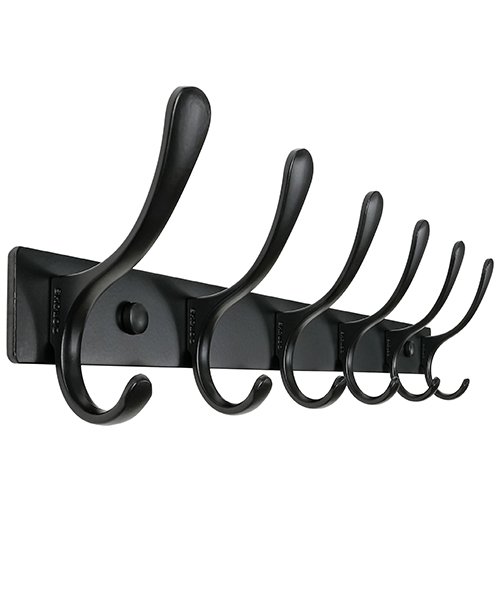
The first zone is the “hang zone.” This is where bags and jackets live. If you don’t have wall hooks, they will live on chairs. If you do have hooks, the space stays calmer because items go vertical instead of spreading horizontally.
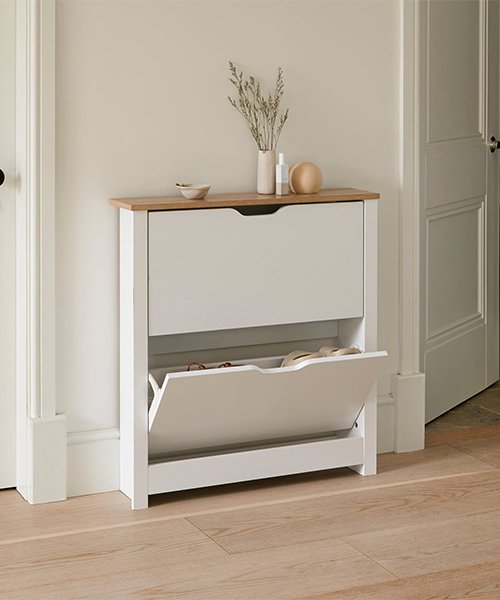
The second zone is the “shoe zone.” Shoes look messy even when they’re clean, and that’s normal. The trick is to contain them. A slim cabinet or narrow rack gives shoes a boundary so they don’t slowly creep across the floor.
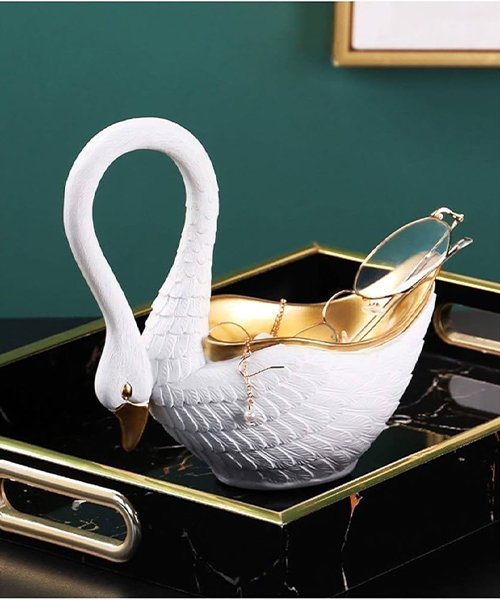
The third zone is the “small stuff zone.” This is where the tray or bowl matters. Without it, keys and little items scatter like confetti. With it, the entry looks instantly more controlled—even if you’re still living real life.
How to Make It Look Good Without Decorating Hard
This is where people overdo it. The entryway looks best when it’s functional first, styled second. If you try to style an entryway that doesn’t function, it looks pretty for a day and then collapses.
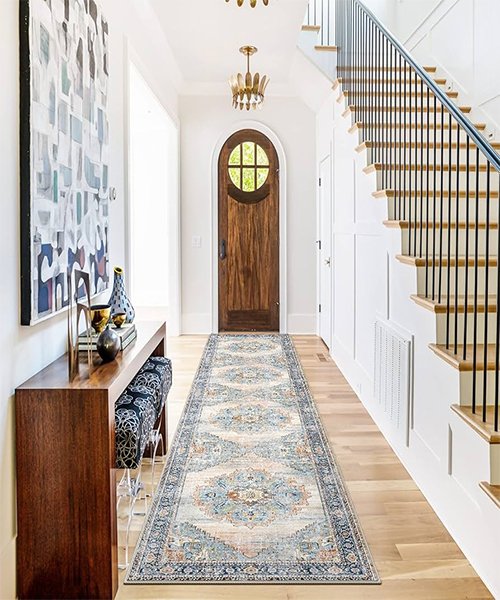
One easy styling move that doesn’t create clutter is the runner rug. It gives the entry visual structure. Another easy move is a mirror (only if you have the wall space), because it makes the area feel brighter and more “intentional.” But the key is not adding ten little décor items. The key is making the entry feel like it has a plan.
If you want it to look “finished” with minimal effort, do this: keep one surface clear (even if it’s just the top of the shoe cabinet), then place one simple object there—like a small tray, a clean-looking bowl, or a single vase. Anything beyond that tends to turn into a drop spot again.
The Small Habits That Keep It From Sliding Back Into Chaos
The habit that matters most is the one-minute reset. It’s not a deep clean. It’s just returning things to their zones: hang the bag, push shoes into the rack, drop keys into the tray. When you do that for even 60 seconds, the entryway stops building clutter interest.
Another habit that helps is controlling “incoming paper.” If receipts, flyers, and delivery slips pile up, the entry feels instantly messy. If you keep a small bin or envelope inside the shoe cabinet or near the tray, paper gets contained instead of spreading.
And if shoes constantly overflow, it’s usually not a discipline issue. It’s a capacity issue. The storage is too small for the reality of your household. The fix is either a slightly larger rack/cabinet or a “season rotation” where off-season shoes move out of the entryway.
Conclusion
A clean entryway isn’t about being “organized.” It’s about having a simple landing system that matches real life. When shoes have a boundary, bags have hooks, and small essentials have a tray, the whole house feels calmer the second you walk in. And because these are product categories that are easy to shop on discounts, it’s one of the fastest home upgrades you can make without doing anything dramatic.