The Small Space, Big Upgrade Plan That Makes Any Room Look Larger
Small rooms have a funny way of making you feel like you’re always one purchase away from “fixing” them. One more shelf, one more basket, one more cute little table—and somehow the room feels tighter. The truth is, small spaces don’t need more décor. They need clearer choices. The moment a room feels lighter and less crowded, it starts looking bigger even if the square footage hasn’t changed by an inch. This isn’t about making your place look empty. It’s about giving it breathing room while still keeping it warm and lived-in.
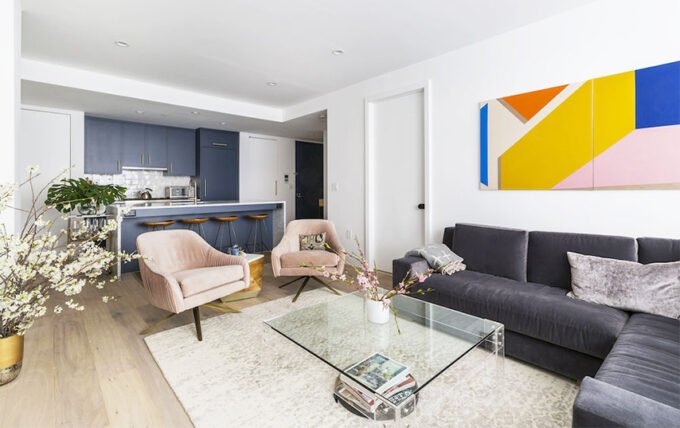
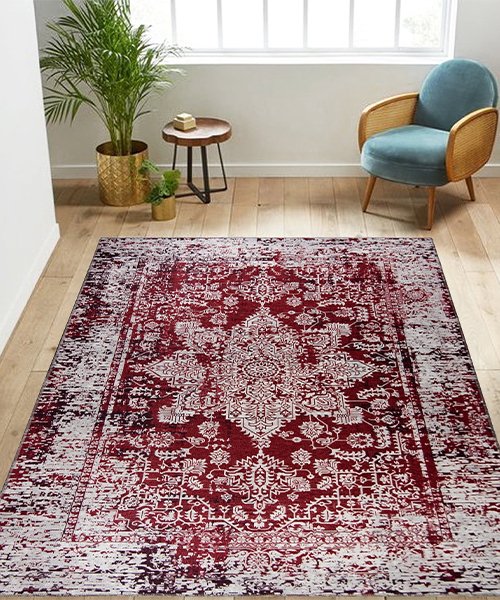
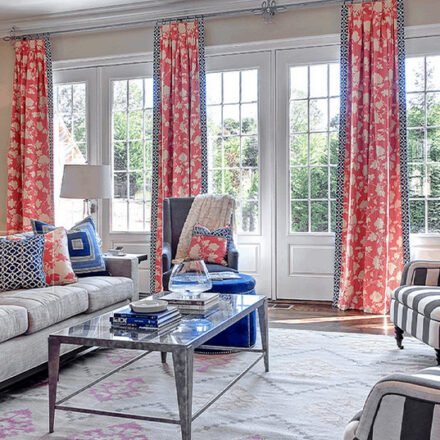
A rug that’s the right size can visually “stretch” the room. Too small makes everything feel cramped. A slightly larger rug makes the space feel planned.
The Habit That Shrinks a Room Without You Noticing
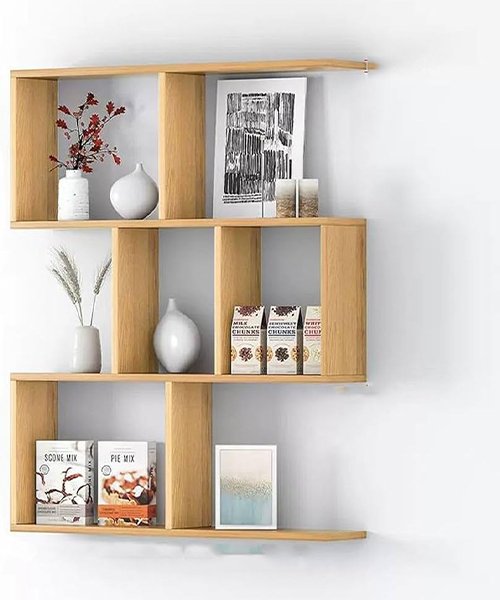
The quickest way to make a small room feel smaller is to fill every empty spot. It’s a natural instinct—blank corner? add something. bare wall? hang something. free floor space? place something. But a small room needs open space the way a small suitcase needs folding. If everything is “something,” your eye has nowhere to rest, and the room starts feeling busy. Another silent problem is bulky furniture—thick arms on sofas, heavy tables, oversized chairs—pieces that look fine online but eat the room once they arrive. And finally, when everything stays low (on the floor level), the room looks heavier. A small room looks larger when some elements rise upward—light, mirrors, wall storage, and a few visuals that pull the eye up.
The 4 Changes That Make the Biggest Difference Fast
Start with the first view you see when you enter. If the first view is cluttered, the whole room feels cramped even if the rest is tidy. Clear that sightline first, even if it’s just one surface or one corner. Next, fix lighting, because dark rooms always feel smaller. Third, check scale—if one piece is too big, it dominates the whole space. And last, deal with the “floating clutter” problem: the small objects that don’t have a home. When those four things improve, the room instantly feels calmer and more open.
Lighting That Makes a Small Room Feel Deeper
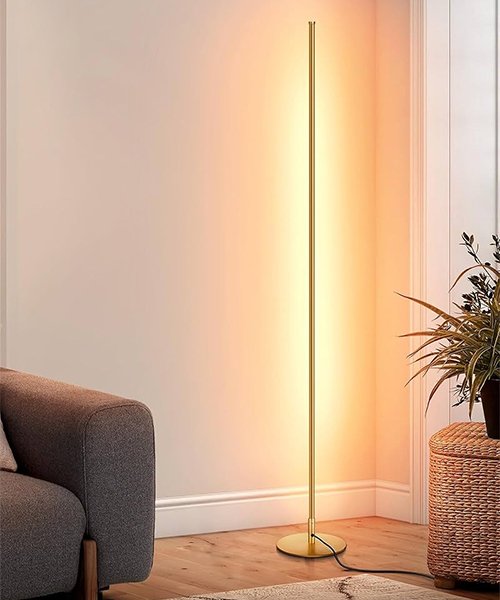
If you rely on one overhead light, the room can feel flat and harsh at the same time. The easiest upgrade is adding one or two extra light points. A lamp in a corner makes the corner feel intentional instead of “leftover.” A lamp near where you sit makes the room feel softer at night. Even a small table lamp on a shelf can add depth. The goal isn’t to make your room bright like an office. The goal is to create layers so the room feels dimensional.
Mirrors That Actually Help (Instead of Looking Random)
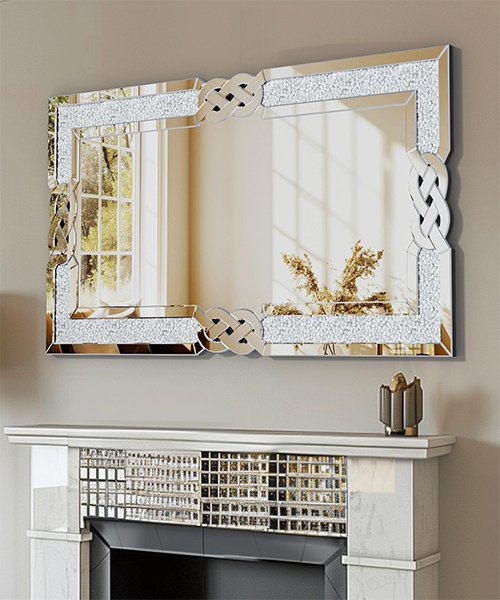
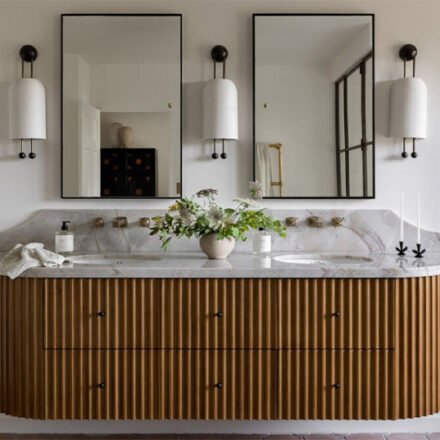
Mirrors work best when they reflect light or reflect something nice. A mirror facing a window helps bounce daylight around. A mirror near a lamp can make the room glow at night. But if a mirror reflects clutter, it doubles the mess visually. For small spaces, one larger mirror usually looks cleaner than a bunch of small ones. It reads calmer, it adds brightness, and it doesn’t make the wall feel crowded.
The “Air Under Furniture” Rule
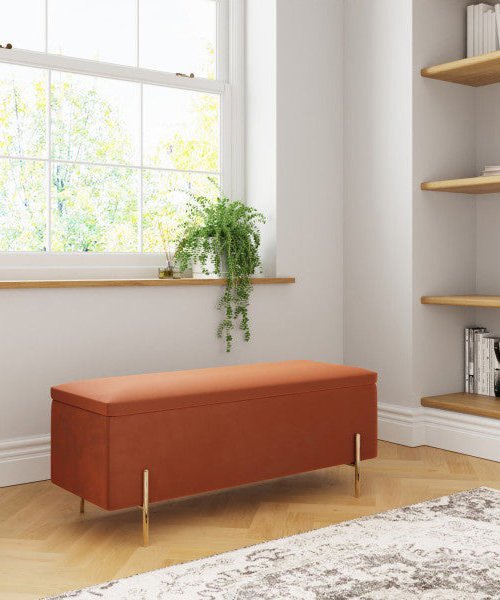
Furniture with visible legs makes a room feel lighter because your eye can travel underneath it. Furniture that sits directly on the floor blocks that visual space and makes the room feel heavier. If you’re choosing between two pieces, the one with a more open base often makes the room feel bigger. The same goes for tables—slimmer shapes and lighter silhouettes usually win in small rooms.
How to Style Without Making It Feel Stuffed
In small rooms, scattered décor looks like clutter even when it’s pretty. Grouping is your friend. Instead of placing one item on five different surfaces, create one or two zones that look intentional. A tray on a coffee table instantly makes small items look organized. A basket can collect throws or cables without shouting. And one simple rule helps a lot: keep one surface mostly clear. In a small room, one clear surface makes everything feel calmer.
Conclusion
Small spaces don’t need more things—they need a clearer plan. When you improve lighting, use one good mirror, choose lighter furniture shapes, and control clutter with hidden storage, the room starts feeling bigger without a full makeover. And if you shop smart with discounts, these are perfect categories to target because they change the room instantly and usually give the best value when you catch a good deal.